kou Care (Cordia subcordata)

Also known as: Kerosene Tree, Gerong gang
kou

About kou

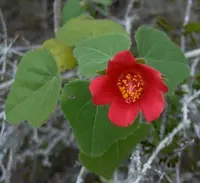
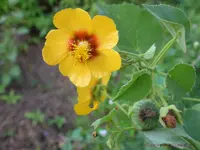
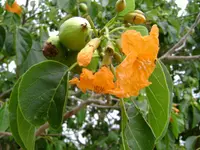
Kou, or Cordia subcordata, is a small tropical coastal tree valued for its bright orange flowers and rounded, glossy green leaves. It typically forms a broad, dome-shaped crown and stays relatively compact compared with many shade trees.

This species is native to coastal areas of the Pacific and Indian Oceans, often growing near sandy beaches and rocky shorelines. It tolerates salt, wind, and poor soils, which makes it resilient in harsh seaside conditions.

In garden settings, it prefers warm climates, full sun, and well-drained soil, and it copes better with drought than with waterlogged roots. These traits make it reasonably straightforward to care for kou in suitable frost-free regions.

Main Plant Requirements

Care Difficulty

Moderate Care

Light Preference

Full Sun

Water Requirements

Moderate Water

Temperature Preference

Tropical / Frost Sensitive

Hardiness Zone

11–12

Soil Texture

Sandy, Loamy, Organic-rich

Soil pH

Slightly acidic (6.5–7.0), Neutral (7.0)

Soil Drainage

Well-drained

Fertilization

Minimal (feed rarely)

Get Personalized Care Plan

Scan your plant to receive care tips personalized for your specific plant

Available on iOS and Android

How to Care for the kou

Cordia subcordata is a tropical coastal tree that needs strong light to flower and grow well.

  • Provide full sun for 6–8 hours daily; it handles intense coastal light but benefits from some protection from harsh, reflected heat in very hot sites.
  • Young trees tolerate light partial shade, especially in the afternoon, but too much shade leads to sparse flowering and thin, leggy growth.
  • In cooler or cloudier seasons, ensure open exposure with minimal shading so the canopy receives as much direct sun as possible for compact form.

Cordia subcordata prefers evenly moist, well-drained soil once established in the landscape.

  • Water deeply when the top 3–5 cm of soil feels dry, allowing water to soak the full root zone rather than giving frequent, shallow drinks.
  • Use sandy or sandy-loam soil with good drainage; prolonged puddling, sour smell, or yellowing leaves indicate overwatering and poor aeration.
  • In hot, dry seasons, increase watering frequency; in cooler or rainy periods, reduce inputs and watch for wilting or crisp leaf edges as signs of drought stress.

This coastal tropical tree thrives in consistently warm conditions without frost exposure.

  • Aim for 70–90°F (21–32°C) for best growth and flowering, as sustained warmth supports active shoot and root development.
  • Cordia subcordata is highly frost-sensitive; brief drops below 40°F (4°C) can damage foliage, and exposure near 32°F (0°C) may kill young trees.
  • In hot climates, it tolerates up to about 95°F (35°C) if soil moisture is adequate; use mulch to buffer root temperatures and reduce heat stress swings.

This coastal tree prefers moderate humidity but usually adapts to typical indoor air.

  • Aim for 40–60% humidity; it tolerates brief dips lower, but prolonged very dry air can cause leaf edge browning.
  • Kou shows humidity stress as curling leaves, crispy margins, and stalled new growth even when watering is correct.
  • Increase humidity by grouping plants, placing the pot on a pebble tray with water below the pot base, or running a nearby humidifier.

Cordia subcordata prefers light, sharply drained soil that still holds some organic matter.

  • Use a sandy or sandy-loam mix, such as 50–60% coarse sand, 20–30% compost, and 10–20% perlite or pumice for aeration.
  • Ensure very fast drainage; water should exit the pot within seconds, not sit on the surface or collect around roots.
  • Target a slightly acidic to neutral pH around 6.0–7.0; avoid highly alkaline mixes unless the local water is naturally acidic.
  • Do not use heavy clay-based mixes or peat-only substrates, which compact, limit oxygen around roots, and increase root rot risk.

This species can be grown in containers, especially in cooler climates where ground planting is not practical.

  • Choose a deep, wide, and heavy container to support the tree’s eventual height and prevent tipping in strong winds.
  • Select a rigid material like ceramic or thick plastic to provide root insulation and reduce rapid moisture loss in hot weather.
  • Raise the container on feet or blocks so drainage holes stay clear, allowing storm or irrigation water to exit quickly after heavy watering.

Cordia subcordata responds well to modest, steady nutrition in active growth.

  • Apply a balanced slow-release fertilizer (for example 10-10-10) at half label rate at the start of the warm growing season.
  • Supplement with a light top-dressing of compost around the drip line 1–2 times per year for soil health.
  • In containers, use a diluted balanced liquid feed every 4–6 weeks during growth, then pause feeding in winter or dormancy.

Pruning helps Cordia subcordata maintain a strong framework and good flowering.

  • Carry out structural pruning at the end of the dry or cool season, just before vigorous new growth begins.
  • Remove dead, diseased, storm-damaged, or crossing branches with clean, sharp bypass pruners or a pruning saw.
  • Thin crowded interior growth to improve light penetration and airflow, which supports healthier foliage and blooms.
  • Shorten overly long shoots to guide form, keeping a natural, open canopy rather than tight clipping.

Kou is usually grown in the ground, so transplanting young plants correctly is more important than frequent repotting.

  • If container-grown, look for roots circling the pot drainage holes, dry-out too fast, or slowed growth as cues to move up 1 pot size.
  • Transplant in warm, frost-free weather, ideally early in the rainy or growing season for quick root establishment.
  • Handle the root ball gently, loosening only tightly circling roots, and set at the same soil depth in a well-drained site.
  • Water thoroughly after planting and keep soil evenly moist, not waterlogged, for several weeks to reduce transplant shock.

Cordia subcordata is typically propagated from seeds and sometimes from semi-hardwood cuttings.

  • Collect ripe seeds from mature fruits, clean off pulp, and sow fresh for better germination.
  • Sow seeds in a free-draining mix, keep at 75–85°F, and maintain consistent, light moisture until seedlings establish.
  • Take semi-hardwood cuttings in warm weather, use a rooting hormone, and place in a humid, bright, shaded environment.
  • Use sterile tools and a well-aerated medium such as sand mixed with perlite to limit rot and support rooting.

This tropical tree is frost-sensitive and needs protection in climates with cool winters.

  • In-ground plants in marginal climates benefit from a 5–8 cm mulch layer over the root zone, kept away from the trunk.
  • Wrap young trunks with breathable frost cloth during cold snaps to reduce stem damage.
  • Move container plants indoors or into a greenhouse before temperatures drop near 40°F, providing bright light and reduced watering.

Care Tips

Wind-smart staking

Install sturdy, flexible stakes and soft ties on young trees in windy coastal sites, allowing some movement so trunks can thicken without snapping.

Salt spray management

In exposed coastal gardens, lightly hose foliage with fresh water every 1–2 weeks during dry periods to reduce salt buildup and leaf scorch without overwatering the root zone.

Canopy training cuts

In the first 2–3 years, selectively remove or shorten competing leaders and steep, narrow crotch branches to encourage a single strong trunk and a balanced, storm-resistant canopy.

Blossom drop control

Rake and remove spent flowers and leaf litter regularly to reduce fungal spore buildup and discourage sap-sucking insects that are attracted to sugary petals.

Root zone protection

Keep lawn turf and heavy foot traffic at least 45–60 cm away from the trunk, using a mulch ring instead, to protect surface feeder roots and stabilize moisture when growing kou.

Common Pests and Diseases

Leaf folder caterpillars

This pest feeds inside folded or rolled leaves, causing browning, skeletonizing, and premature leaf drop on kou trees. Symptoms include distorted foliage and frass (insect droppings) within the folded leaf shelters.

Solution

Hand-pick and destroy folded leaves containing caterpillars and dispose of them away from the plant. For larger trees, encourage birds and beneficial wasps, and where allowed outdoors, use a targeted Bacillus thuringiensis (Bt) spray on young foliage, following label directions.

Whiteflies

These insects gather on the undersides of leaves, sucking sap and weakening young Cordia subcordata plants, especially in warm, sheltered sites. Symptoms include yellowing leaves, sticky honeydew, and sooty mold growing on the leaf surface.

Solution

Spray the undersides of leaves with a strong stream of water to dislodge adults and nymphs, then apply insecticidal soap or horticultural oil thoroughly and repeat at 5–7 day intervals as needed. Reduce plant crowding and improve air movement around the canopy to make infestations less persistent.

Scale insects

This pest appears as small, dome-shaped or oval bumps on stems and leaves that do not move when touched. Symptoms include sticky honeydew, sooty mold, and gradual decline of twigs and foliage due to continuous sap loss.

Solution

Prune and discard heavily infested twigs, then wipe remaining scales off stems with a cloth or cotton pad dipped in diluted alcohol or horticultural oil. For larger trees, use horticultural oil sprays that thoroughly coat stems and leaf undersides, applying during cooler parts of the day to avoid leaf burn.

Leaf spot

This disease causes small brown to dark purple spots on leaves that may expand, merge, and lead to partial defoliation during humid or rainy periods. Symptoms include irregular lesions, sometimes with yellow halos, while twigs and flowers generally remain healthy.

Solution

Remove and discard fallen leaves and heavily spotted foliage to reduce inoculum, and avoid overhead watering that keeps leaves wet for long periods. Improve airflow by light pruning and, in high-value landscape specimens, apply a copper-based fungicide during extended wet weather if local regulations allow.

Sooty mold

This disease appears as a black, soot-like coating on leaves and stems, developing on the sugary honeydew excreted by sap-feeding insects such as whiteflies or scale. Symptoms include dull, blackened foliage and reduced photosynthesis, though the fungus usually does not penetrate plant tissues.

Solution

First control the underlying sap-feeding insects using washing, insecticidal soap, or horticultural oil. Once honeydew production is reduced, gently wash affected leaves with water and a soft cloth or sponge, or allow new clean foliage to replace heavily coated leaves over time as part of routine Cordia subcordata plant care.

Interesting Facts

Sea-dispersed seeds

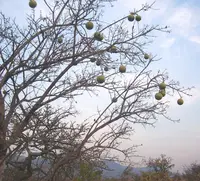
The woody, buoyant fruits of this species can float for long periods in seawater, allowing seeds to disperse naturally across tropical oceans and colonize new coral islands and coastal strands.

Pioneer of coral coasts

This tree commonly establishes on young coral sand and rocky shorelines, tolerating salty spray and poor, alkaline substrates where many other tree species cannot survive.

Traditional canoe timber

Its relatively light, workable wood has been widely used across Pacific and Indian Ocean islands for carved items and, in some regions, small canoe hulls and outriggers due to its balance of strength and moderate durability in coastal conditions.

Botan icon

Did you know?

In some Pacific island cultures, the bright orange flowers of this species have been used as important ceremonial and decorative elements, including in lei-making and festive garlands, reflecting the tree’s long-standing cultural value along oceanic coasts.

FAQs about kou

Lack of blooms usually comes from insufficient light, young age, heavy pruning at the wrong time, or nutrient imbalance. Ensure full sun, avoid cutting new wood heavily, and provide balanced fertilizer with moderate phosphorus to support flowering.

Grow Healthy Plants with Botan Care

Keep your plants happy and healthy with plant identification, disease detection, and easy care guidance.

Botan plant care app — identify plants on mobile

Explore More Plants