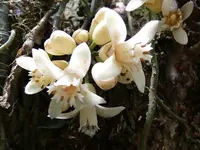
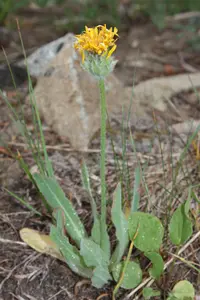
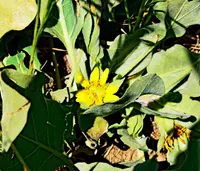
giant coreopsis Care (Coreopsis gigantea)

giant coreopsis

About giant coreopsis

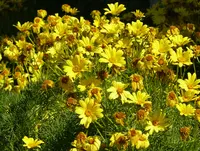
Giant coreopsis (Coreopsis gigantea) is a shrubby perennial from coastal California and Baja California, often found on bluffs and sandy slopes. It develops thick, succulent stems topped with ferny foliage and bright yellow, daisy-like flowers in late winter and spring.

As it matures, the plant forms a sculptural, tree-like silhouette that stands out in dry gardens and seaside landscapes. It is adapted to mild, frost-free climates and does best in full sun with sharply drained, low-fertility soil.

This species prefers dry conditions once established and can struggle in heavy, wet ground or very cold winters. These traits shape how to care for giant coreopsis in home gardens.

Main Plant Requirements

Care Difficulty

Moderate Care

Light Preference

Full Sun

Water Requirements

Low Water

Temperature Preference

Warm Climate

Hardiness Zone

9–11

Soil Texture

Sandy, Loamy, Rocky

Soil pH

Slightly acidic (6.5–7.0), Neutral (7.0)

Soil Drainage

Well-drained

Fertilization

Minimal (feed rarely)

Get Personalized Care Plan

Scan your plant to receive care tips personalized for your specific plant

Available on iOS and Android

How to Care for the giant coreopsis

This coastal shrub thrives in strong light and open exposures.

  • Provide full sun for 6–8 hours daily; growth and flowering decline noticeably in less than 4–5 hours of direct light.
  • Plant giant coreopsis where it receives morning to mid-afternoon sun; light afternoon shade is acceptable in very hot, inland sites.
  • Watch for pale, weak stems in too much shade and scorched, crispy foliage under reflected heat from walls or pavement, especially in summer.

This species is drought-tolerant and prefers infrequent, deep watering once established.

  • Allow the top 5–7 cm of soil to dry before watering; in sandy, fast-draining soil this often means waiting until foliage just begins to lose turgor (slight limpness).
  • Use sharply drained soil or slopes so water does not pool around the crown; persistent wetness promotes root rot in Coreopsis gigantea.
  • During cool, rainy seasons hold off on irrigation, but in hot, dry spells water thoroughly, then let the soil return almost to dry between soakings.

This coastal perennial shrub favors mild, frost-free conditions with cool winters and warm, dry summers.

  • Optimal growth occurs around 60–75°F (16–24°C), with good tolerance of typical coastal temperature shifts and wind exposure.
  • Plants are damaged around 28–30°F (-2 to -1°C) and may be killed below 25°F (-4°C), so protect young plants from hard frost.
  • Mature plants handle dry heat up to about 90–95°F (32–35°C) if soil is well drained; prolonged hot, humid conditions increase stress and disease risk.

Humidity is rarely critical for Coreopsis gigantea, which thrives in dry, coastal-type air.

  • Target 30–50% humidity, similar to typical indoor and outdoor conditions in many homes and gardens.
  • Plant tolerates dry air well; persistent leaf tip browning and drooping in cool, damp soil usually relate more to overwatering than low humidity.
  • If air is extremely arid and hot, reduce stress by mulching the soil surface and providing light wind protection rather than misting.

Soil for Coreopsis gigantea should be lean, very free-draining, and never waterlogged.

  • Use a gritty mix such as 50–60% coarse sand or small gravel, 20–30% regular potting mix, and 10–20% perlite or pumice for extra drainage.
  • Aim for slightly acidic to neutral pH around 6.0–7.0, avoiding strongly acidic or alkaline extremes that can limit nutrient uptake.
  • Improve aeration by incorporating mineral aggregates rather than heavy compost, which can hold too much moisture for this coastal, drought-adapted species.
  • Avoid clayey, compacted, or continuously wet soils, as roots are prone to rot if oxygen levels stay low around the root zone.

This species can be grown in containers if the pot is prepared for its woody, top-heavy form.

  • Choose a deep, heavy container (such as thick terracotta or concrete) to counterbalance the tall, branching stems in strong wind.
  • Select a container slightly wider than the root mass to limit excess wet substrate while still allowing woody roots to anchor firmly.
  • Raise the pot on feet or bricks so drainage holes stay clear, preventing stagnant water that destabilizes the tall plant in storms.

This coastal native needs only light feeding when grown in poor or depleted soil.

  • Use a balanced, slow-release fertilizer (around 10-10-10) or a thin layer of compost in early spring.
  • Feed giant coreopsis once at the start of the growing season; avoid repeated applications in rich ground.
  • Dilute liquid fertilizers to 1/2 strength to prevent soft growth and salt buildup.
  • Skip feeding in late fall and winter to avoid stimulating out-of-season growth.

Pruning Coreopsis gigantea is mainly done to maintain form and encourage flowering.

  • Cut back spent flower stalks in late winter to early spring before new growth emerges.
  • Remove dead, damaged, or crossing branches with clean, sharp pruners to preserve the branching structure.
  • Lightly thin crowded stems to improve air flow and keep the plant from becoming top-heavy.
  • Avoid hard cutting into very old woody trunks, as this can slow recovery and reduce blooms.

This shrubby perennial is usually grown in the ground and dislikes frequent disturbance.

  • Transplant young plants in late winter to early spring, before vigorous growth starts.
  • Look for roots circling the container or stunted growth as signs a nursery plant needs a larger pot or ground planting.
  • Move into a slightly larger container or well-drained planting hole, keeping the root ball intact to limit shock.
  • Water deeply after transplanting, then allow soil to dry slightly between waterings while roots re-establish.

Propagation of Coreopsis gigantea is possible but slower than many herbaceous perennials.

  • Sow fresh seeds in late winter to early spring, using a gritty, very well-drained mix and bright light.
  • Maintain 60–70°F and only light moisture, as seeds resent waterlogged conditions.
  • Semi-ripe stem cuttings can root in late spring to early summer in a sandy medium with high light and low humidity.
  • Avoid frequent division; this species forms a woody trunk and does not respond well to being split.

In mild coastal climates this species is fairly tolerant but can be damaged by hard freezes.

  • In regions colder than USDA zone 9, grow Coreopsis gigantea in containers and overwinter in a bright, frost-free space.
  • Provide a light mulch around the root zone in fall, keeping it away from the woody trunk to reduce rot risk.
  • Avoid overhead watering during cold spells so stems stay dry and less prone to frost damage.
  • Do not cut back green stems in winter; wait until late winter once any frost damage is clear.

Care Tips

Wind-hardening seedlings

For coastal or windy sites, expose young plants gradually to stronger wind over 1–2 weeks or use temporary windbreak fabric so stems thicken and flex rather than snapping once planted out.

Basal mulch ring

Apply a narrow 3–5 cm deep ring of mineral mulch such as gravel or decomposed granite around, but not touching, the stem to reduce soil splash, discourage rot at the base, and keep the crown dry in winter rains.

Lean nutrient strategy

Use a low-nitrogen, slow-release fertilizer sparingly in early spring on poor soils, as rich feeding encourages weak, top-heavy growth that is more likely to lodge or break in wind.

Salt and drought acclimation

When planting near the coast or in very dry spots, space irrigation events farther apart over the first growing season to encourage deep rooting and better tolerance of salt-laden wind and summer drought.

Structural staking plan

In exposed gardens, install a single sturdy stake on the windward side at planting time and secure the main stem with soft ties in a loose figure-eight, then remove the support once the trunk becomes woody and self-supporting to simplify caring for giant coreopsis long term.

Common Pests and Diseases

Aphids

These insects cluster on tender stems and flower stalks, sucking sap and causing distorted growth and sticky honeydew on foliage. This pest is most common on young growth during cool, mild weather along the coast.

Solution

Spray colonies off with a strong stream of water in the morning and repeat as needed; prune and discard heavily infested shoot tips. If populations persist, spot-treat clusters with insecticidal soap or a light horticultural oil, coating stems and the undersides of leaves while avoiding direct spraying in full, hot sun.

Snails and slugs

These pests feed on fleshy lower stems and young shoots, leaving irregular holes, shredded tissue, and slime trails, especially during cool, foggy periods. Damage can disfigure new growth and weaken young plants before stems become woody.

Solution

Hand-pick snails and slugs in the evening or early morning and remove hiding places such as dense debris around the crown. Use iron phosphate bait around, not on, the root zone and maintain drier, well-drained soil conditions to reduce hiding spots, which is important when growing giant coreopsis near coastal gardens.

Powdery mildew

This disease appears as white, powdery patches on leaves and stems, sometimes causing yellowing and early leaf drop on plants grown in still, humid air. Symptoms include more severe coverage on shaded or crowded plants with poor air circulation.

Solution

Improve airflow by thinning crowded stems and avoiding overhead watering late in the day. Remove and discard affected leaves, then, if needed, apply a sulfur or potassium bicarbonate-based fungicide labeled for ornamentals, making sure foliage dries quickly after treatment.

Botrytis blight

This disease causes tan to brown spots and soft, gray, fuzzy mold on fading flower heads, damaged stems, or old foliage during prolonged cool, moist weather. Symptoms include collapse of affected tissue and rapid spread in dense plantings or containers with poor airflow.

Solution

Promptly deadhead spent flower stalks and remove any soft, moldy tissue, disposing of it in the trash. Improve drainage and air movement, avoid wetting stems when watering, and in persistent cases use a labeled ornamental fungicide on cool, dry days to protect healthy tissue.

Interesting Facts

Coastal fog specialist

This species is native to the coastal bluffs of southern California and Baja California, where it relies heavily on cool marine air and frequent fog to offset the low rainfall of its habitat.

Woody daisy shrub

Unlike many herbaceous tickseed relatives, this plant develops a thick, woody trunk and can reach small-shrub size, which makes its growth form unusual among coreopsis species.

Blooming in dry season

In its home range it often flowers in late winter to spring, when the soil is already drying, showing strong adaptation to Mediterranean-type climates with cool wet winters and hot dry summers.

Botan icon

Did you know?

Coreopsis gigantea is considered a strict coastal species, naturally occurring in a narrow band close to the ocean, and its wild populations are sensitive to habitat disturbance such as coastal development and trampling.

FAQs about giant coreopsis

This species usually reaches 90–180 cm tall, sometimes taller in ideal coastal climates. Stems are narrow and upright, with a clump spread of about 45–90 cm, so it fits well into mixed dry borders or coastal gardens.

Grow Healthy Plants with Botan Care

Keep your plants happy and healthy with plant identification, disease detection, and easy care guidance.

Botan plant care app — identify plants on mobile

Explore More Plants