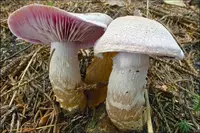
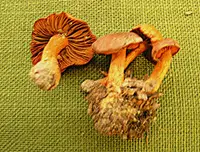
wrinkled cortinarius Care (Cortinarius corrugatus)

wrinkled cortinarius

About wrinkled cortinarius

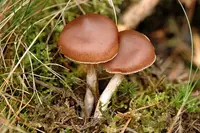
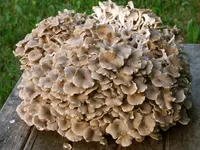
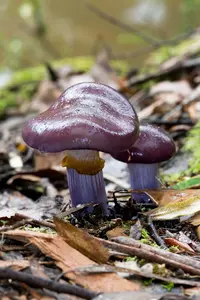
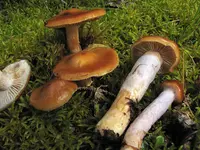
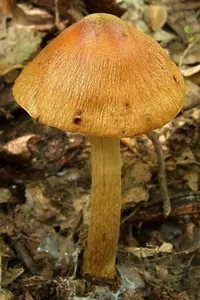
Wrinkled cortinarius (Cortinarius corrugatus) is a woodland fungus, not a typical houseplant. It produces medium-sized, often brownish fruiting bodies with a distinctly wrinkled cap surface. The gills are usually rusty to cinnamon brown as the spores mature.

This species occurs mainly in temperate forests, forming mycorrhizal partnerships with trees, especially in moist, shaded habitats with leaf litter. It cannot be grown easily in containers because it depends on complex root and soil relationships, so attempts to care for wrinkled cortinarius at home are usually unsuccessful.

In nature it prefers undisturbed, humus-rich forest soil with consistent moisture and indirect light under a tree canopy.

Main Plant Requirements

Care Difficulty

Hard Care

Light Preference

Partial Shade

Water Requirements

Regular Water

Temperature Preference

Cool Climate

Hardiness Zone

Unknown

Soil Texture

Loamy, Peaty, Organic-rich

Soil pH

Strongly acidic (4.5–5.5), Acidic (5.5–6.5)

Soil Drainage

Moist but well-drained

Fertilization

Minimal (feed rarely)

Get Personalized Care Plan

Scan your plant to receive care tips personalized for your specific plant

Available on iOS and Android

How to Care for the wrinkled cortinarius

This woodland fungus prefers low to moderate light similar to a shaded forest floor.

  • Provide dappled or filtered light, ideally beneath shrubs or trees, avoiding direct sun for more than 1–2 hours, especially at midday.
  • Allow early morning or late afternoon sun only; harsh afternoon exposure can dry the substrate and damage emerging fruiting bodies of wrinkled cortinarius.
  • Choose a site with bright shade in summer and slightly more open light in autumn when tree canopies thin, maintaining a cool, moist microclimate.

This mycorrhizal fungus depends on consistently moist, not saturated, soil around its host trees.

  • Maintain evenly moist soil, allowing only the top 2–3 cm to lose surface sheen before the next irrigation if conditions are very dry.
  • Ensure excellent drainage; standing water or waterlogged soil promotes rot and can prevent Cortinarius corrugatus from fruiting at all.
  • In hot, dry periods, check soil moisture every 1–2 days; in cooler, wetter seasons, rely on natural rainfall and watch for cracked, dusty soil as a sign of dryness.

This forest-dwelling species prefers cool to mild temperatures with moderate seasonal variation.

  • Aim for an active growth and fruiting range of 50–65°F (10–18°C), which often aligns with cool, moist autumn conditions in temperate regions.
  • Tolerates short drops to about 32°F (0°C) in soil, but persistent hard frost below 28°F (-2°C) can halt fruiting and damage fine fungal structures near the surface.
  • Handle heat carefully; temperatures above 77°F (25°C), especially with dry air, reduce activity, so provide shade and soil moisture to buffer short warm spells.

Humidity management is not a primary factor for Cortinarius corrugatus, which is typically wild-foraged rather than cultivated at home.

This species is a mycorrhizal forest mushroom and is not realistically cultivated in prepared soil at home.

  • In nature it associates with tree roots in undisturbed, moist, organic-rich forest soil rather than growing in isolated substrate like a garden plant.
  • The natural substrate is a deep, loose litter layer of decaying leaves and needles over mineral soil, providing high organic matter and constant but not waterlogged moisture.
  • Soil chemistry and pH are defined by the host forest type, so attempting to adjust pH or mix compost, perlite, or bark will not recreate the required mycorrhizal conditions.
  • Most typical garden soil mixes, pasteurized substrates, or compacted yard soil will not support the full life cycle of Cortinarius corrugatus.

This forest mushroom is not suitable for container growing, as it depends on complex mycorrhizal relationships with living trees.

Cortinarius corrugatus is a wild, mycorrhizal fungus that does not benefit from conventional fertilization in garden or container culture.

Pruning is not applicable to Cortinarius corrugatus, as it is a woodland fungus rather than a typical garden plant.

Transplanting Cortinarius corrugatus is generally unsuccessful because this fungus depends on a living host tree and complex soil fungi networks.

  • Avoid disturbing natural colonies; do not attempt to move fruiting bodies or surrounding soil for cultivation.
  • If research demands relocation, move intact soil blocks with associated tree seedlings under controlled, permitted conditions.
  • Minimize root and soil disturbance to the host tree to preserve the mycorrhizal relationship.
  • Maintain original soil moisture and shade conditions as closely as possible after any experimental transplant.

Propagation of Cortinarius corrugatus is rarely attempted outside scientific work because it relies on a specific mycorrhizal association with host tree roots.

Specific winter care is not practical for this woodland fungus, which follows the natural seasonal cycles of its forest habitat.

Care Tips

Substrate rotation

Rotate outdoor log or wood-chip patches every 2–3 years by adding fresh hardwood material nearby, which helps maintain a suitable habitat as older wood fully decomposes and becomes less supportive of fruiting.

Moisture buffering

When establishing a patch, mix a thin layer of well-soaked, shredded hardwood leaves into the top 2–3 cm of surrounding soil to act as a moisture buffer that slows surface drying between natural rain events.

Shade structure use

In exposed sites, install a simple shade cloth or lattice on the south or west side of the patch to reduce direct sun and wind, which helps the mycelium maintain more stable moisture and temperature during dry spells.

Minimal soil disturbance

Mark the active area clearly and avoid raking, tilling, or heavy foot traffic over it, since compaction and disturbance can damage mycelial networks and reduce future fruiting.

Targeted harvesting

Cut mushrooms at the base with a clean knife instead of pulling, and leave very small or damaged fruiting bodies in place so they can complete spore release, which supports a more persistent population when growing wrinkled cortinarius.

Common Pests and Diseases

Mycophagous larvae

These insects feed directly on the fruiting bodies, tunneling through the cap and stem and leaving distorted, decaying mushrooms. Symptoms include soft, water-soaked spots, internal galleries, and accelerated collapse of the cap.

Solution

Collect and remove infested mushrooms as soon as tunneling or soft patches are visible, and avoid leaving old or decaying fruiting bodies on site, as these harbor eggs and larvae. In cultivation, use fine mesh or insect netting over the fruiting area and maintain good hygiene in the substrate to reduce breeding sites.

Slugs and snails

This pest grazes on developing caps and gills, leaving irregular holes, slime trails, and sometimes consuming entire young fruiting bodies. Damage is often worst in damp, shaded sites with abundant leaf litter.

Solution

Hand-remove slugs and snails during evening or early morning checks and reduce nearby hiding spots such as dense debris or boards. In managed beds, use copper barriers, shallow beer traps, or rough mineral mulches (such as sharp grit) around fruiting zones to make access more difficult.

Fungal parasitism

This disease involves other fungi colonizing the fruiting bodies, leading to discolored patches, abnormal growth, or premature decay. Symptoms include fuzzy or powdery overgrowth on the cap or stem and rapid breakdown of tissue.

Solution

Remove and discard any mushrooms that show abnormal surface growth or unusual discoloration, and avoid disturbing or reusing substrate that produced parasitized fruiting bodies. Maintain good airflow and avoid overcrowding in cultivated situations to limit prolonged surface moisture, which favors parasitic fungi.

Bacterial soft rot

This disease causes mushy, foul-smelling decay of the cap and stem, often starting where tissue has been bruised or waterlogged. Symptoms include a wet, collapsing texture and an unpleasant odor around affected fruiting bodies.

Solution

Harvest mushrooms promptly at maturity and avoid excessive handling that bruises tissue, as wounds encourage bacterial entry. In cultivation, improve drainage, avoid overhead watering that keeps caps wet for long periods, and remove any soft, rotting specimens to reduce bacterial spread.

Interesting Facts

Wrinkled cap surface

The fruiting body has a distinctly wrinkled to corrugated cap surface when mature, which is the key feature reflected in the species epithet corrugatus, meaning wrinkled or ridged.

Mycorrhizal forest partner

This species forms ectomycorrhizal associations with trees, particularly in coniferous and mixed forests, exchanging mineral nutrients from the soil for sugars produced by its host’s photosynthesis.

Rusty-brown spore deposit

Like many members of its genus, this mushroom produces a rusty to cinnamon-brown spore print, which helps distinguish it from superficially similar brown-gilled fungi in the field.

FAQs about wrinkled cortinarius

This species is not considered edible and should be treated as potentially poisonous. Many related species contain dangerous toxins and are difficult to distinguish. Foraging or consuming it is strongly discouraged due to serious poisoning risk.

Grow Healthy Plants with Botan Care

Keep your plants happy and healthy with plant identification, disease detection, and easy care guidance.

Botan plant care app — identify plants on mobile

Explore More Plants