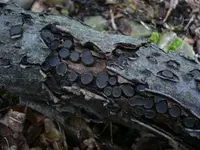
Cortinarius stillatitius Care

Cortinarius stillatitius

About Cortinarius stillatitius

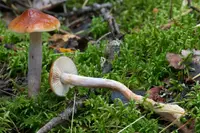
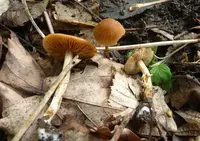
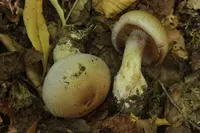
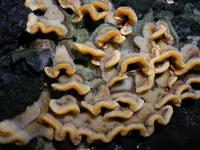
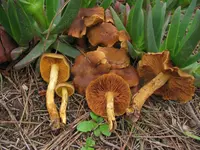
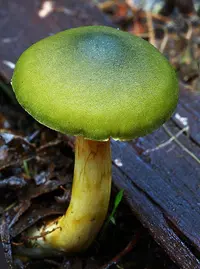
Cortinarius stillatitius is a wild mushroom-forming fungus, not a typical ornamental houseplant. It produces medium-sized caps with a veil-like web on the gills and often shows brownish to reddish tones as it matures. This species appears naturally in forested areas, usually on soil rich in decaying organic matter, where it forms mycorrhizal partnerships with trees. Identification is difficult, even for specialists, because many Cortinarius species look similar. Due to this complexity and safety concerns, it is not recommended to care for Cortinarius stillatitius as a cultivated species at home.


Main Plant Requirements

Care Difficulty

Hard Care

Light Preference

Partial Shade

Water Requirements

Regular Water

Temperature Preference

Cool Climate

Hardiness Zone

Unknown

Soil Texture

Loamy, Silty, Organic-rich

Soil pH

Acidic (5.5–6.5)

Soil Drainage

Moist but well-drained

Fertilization

Minimal (feed rarely)

Get Personalized Care Plan

Scan your plant to receive care tips personalized for your specific plant

Available on iOS and Android

How to Care for the Cortinarius stillatitius

This forest-dwelling fungus prefers low to moderate light rather than direct sun exposure.

  • Site Cortinarius stillatitius in dappled or filtered light under trees, receiving 1–3 hours of gentle morning sun and full shade by midday.
  • Avoid strong midday and afternoon sun, which can overheat the soil surface and dry the upper layer too quickly, reducing suitable conditions for fruiting bodies.
  • In summer, favor deeper shade; in spring and fall, brighter but still indirect woodland light is suitable, such as north or east-facing woodland edges.

This ectomycorrhizal fungus depends on consistently moist, not saturated, forest soil.

  • Allow the top 2–4 cm of soil or leaf litter to begin drying slightly between natural rains or supplemental watering, then moisten evenly without puddling.
  • Ensure the site has free-draining, humus-rich soil so excess water moves away; prolonged standing water and a sour smell indicate overwatering and poor aeration.
  • In hot, dry periods, increase moisture with deep, infrequent soaking, watching for cracked, dusty soil or shriveled nearby plant roots as signs of insufficient water.

This species favors cool to mild woodland temperatures and does poorly in extreme heat or hard frost.

  • Aim for a growing range around 50–68°F (10–20°C), which supports stable soil moisture and mycelium activity during the main fruiting season.
  • It tolerates brief drops near 32°F (0°C) but persistent hard frost below 28°F (-2°C) can damage fruiting bodies at the surface, though deeper mycelium may survive.
  • Sustained heat above 80°F (27°C) with dry soil reduces fruiting; provide shade, organic mulch, and consistent moisture during hot spells to buffer temperature swings.

Humidity is not a controllable or relevant factor for this wild, soil-dwelling fungus in cultivation attempts, so specific indoor or garden humidity management for Cortinarius stillatitius is not practical.

This ectomycorrhizal fungus naturally fruits in undisturbed forest soil rather than in managed garden substrates.

  • Fruiting bodies typically appear in moist, humus-rich forest soil with abundant leaf litter and decaying wood, not in standard potting mixes.
  • Soil is usually well-drained yet consistently moist, with a loose, crumbly structure that allows air circulation around the fungal mycelium.
  • Natural sites often have slightly acidic conditions, commonly around pH 5.0–6.5, influenced by conifer or mixed woodland litter.
  • Attempts at growing Cortinarius stillatitius should focus on mimicking a shaded forest floor with deep organic matter and avoiding compacted, waterlogged, or heavily fertilized soil.

This woodland ectomycorrhizal mushroom is not realistically suited to container growing for hobbyists because it depends on complex root and soil relationships that are hard to reproduce in pots.

This woodland fungus does not benefit from garden fertilization and should be left to grow in naturally nutrient-cycling soil.

Pruning is not applicable, as Cortinarius stillatitius is a wild, mycorrhizal mushroom rather than a garden shrub or tree.

Transplanting is not recommended because this fungus depends on a stable mycorrhizal partnership with host tree roots.

  • Avoid digging, lifting, or moving colonies; disturbing the soil can damage the hidden mycelium network.
  • If habitat management is needed, focus on preserving host trees and leaf-litter layers instead of moving fruiting bodies.
  • Do not attempt container culture; standard potting mixes cannot support the specialized root-fungus relationship.
  • When observing mushrooms, leave them in place so spores can mature and disperse naturally.

Deliberate propagation of this species is rarely successful, since it relies on complex symbiosis with specific tree roots.

No special winter care is needed, as this wild mycorrhizal fungus is adapted to local seasonal cycles in its native range.

Care Tips

Confirm mycorrhizal host

Before introducing this fungus, confirm it naturally associates with the existing tree species on site (for example, compatible conifers), since successful growing Cortinarius stillatitius depends on forming a correct mycorrhizal partnership with the host roots.

Use forest duff inoculum

Collect a small amount of leaf litter and topsoil (duff) from a healthy, known population and lightly mix it into the upper 2–3 cm of soil around the base of compatible trees to introduce a realistic community of helpful microorganisms along with the target fungus.

Minimize soil disturbance

Avoid rototilling, deep digging, or frequent raking over the root zone, since breaking fine feeder roots and fungal threads (mycelium) will reduce the chance of stable colonization and long‑term fruiting.

Limit chemical inputs

Reduce or avoid high‑phosphorus fertilizers, broad‑spectrum fungicides, and routine soil sterilants near the host trees, as these inputs can suppress mycorrhizal development and delay or prevent fruit body formation.

Maintain natural mulch

Keep a loose layer of native leaf litter and small twigs over the root zone instead of decorative gravel or plastic weed barriers, which helps preserve moisture, moderates temperature, and provides a more natural substrate for the fungus to spread.

Common Pests and Diseases

Mycophagous springtails

These insects feed on fungal tissues and can damage caps and gills, especially in moist, organic-rich habitats. Symptoms include pitted or ragged cap surfaces and small, jumping white or gray insects on or around the fruiting bodies.

Solution

Gently remove heavily infested fruiting bodies and reduce surface moisture by improving drainage and ventilation around the fruiting site. If cultivation is attempted, limit excess organic debris, avoid standing water, and, where legal and appropriate, use fine mesh or physical barriers over beds to reduce springtail access rather than relying on chemical controls when caring for Cortinarius stillatitius.

Slugs and snails

These pests graze on young and mature fruiting bodies, leaving irregular holes, slime trails, and partially eaten caps. Damage is often worst in damp, shaded forest or garden edges where these mollusks are most active at night.

Solution

Hand-pick slugs and snails during cool, damp periods and relocate or dispose of them away from the fruiting area. Use copper barriers, rough mulch (like coarse sand or grit), or beer traps to reduce local populations, and avoid creating dense, wet leaf piles directly around the fruiting zone.

Mycophagous fly larvae

This pest group includes sciarid and other fungus gnat larvae that tunnel inside caps and stems, causing soft, waterlogged, or collapsing fruiting bodies. Symptoms include tiny entry holes, internal galleries, and rapid decay from the inside out.

Solution

Promptly harvest or remove affected mushrooms to break the life cycle before larvae pupate in the substrate. In managed or experimental culture, use fine mesh covers, avoid overly wet organic layers, and, where regulations allow, apply biological controls such as Bacillus thuringiensis israelensis (Bti) to target larvae in the surrounding substrate rather than using broad-spectrum insecticides.

Interesting Facts

Distinctive resin droplets

The fruiting bodies exude conspicuous, amber to reddish resinous droplets on the cap surface, which helped inspire the species name stillatitius, referring to dripping or distilling.

Northern conifer associate

This species forms ectomycorrhizal associations with coniferous trees in cool, northern forests, exchanging mineral nutrients from the soil for sugars produced by its host through photosynthesis.

FAQs about Cortinarius stillatitius

This species is not considered edible and should be treated as poisonous. Many Cortinarius fungi contain dangerous toxins that can damage the kidneys or liver. For safety, never eat it and avoid tasting unidentified mushrooms.

Grow Healthy Plants with Botan Care

Keep your plants happy and healthy with plant identification, disease detection, and easy care guidance.

Botan plant care app — identify plants on mobile

Explore More Plants