spring webcap Care (Cortinarius vernus)

spring webcap

About spring webcap

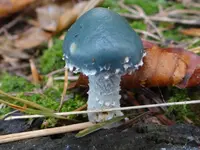
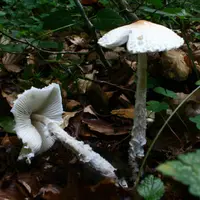
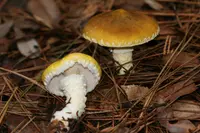
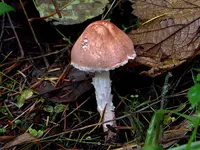
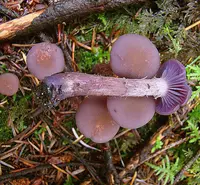
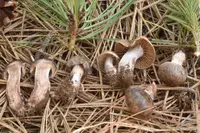
The spring webcap, Cortinarius vernus, is a small to medium mushroom-forming fungus, not a leafy houseplant. It produces brownish to violet caps with a cobweb-like veil on the gills when young. Fruiting bodies appear on the forest floor, usually in moist, cool woodlands of Europe and some temperate regions.

This species forms mycorrhiza, a nutrient-exchange partnership with tree roots, so it cannot be grown like a typical potted plant. Because of this dependency, attempts to care for spring webcap at home are rarely successful. It prefers undisturbed woodland soil, consistent moisture, and dappled light in its natural habitat.

Main Plant Requirements

Care Difficulty

Hard Care

Light Preference

Partial Shade

Water Requirements

Regular Water

Temperature Preference

Cool Climate

Hardiness Zone

Unknown

Soil Texture

Loamy, Silty, Organic-rich

Soil pH

Acidic (5.5–6.5), Slightly acidic (6.5–7.0)

Soil Drainage

Moist but well-drained

Fertilization

Minimal (feed rarely)

Get Personalized Care Plan

Scan your plant to receive care tips personalized for your specific plant

Available on iOS and Android

How to Care for the spring webcap

This ectomycorrhizal fungus prefers woodland light conditions rather than open, exposed sun.

  • Provide dappled or filtered light under deciduous trees, roughly 2–4 hours of gentle morning sun with shade or mottled light the rest of the day.
  • Avoid full, direct midday or afternoon sun, which can overheat and dry the forest litter where spring webcap typically fruits.
  • Maintain partial shade through late spring by leaving leaf litter and allowing understory plants to filter increasing light levels.

This woodland fungus relies on stable, evenly moist but not saturated soil conditions.

  • Aim for consistently moist mineral soil beneath leaf litter, allowing only the top 1–2 cm to dry slightly between natural rain events.
  • Ensure very free drainage; standing water, sour smells, or slimy litter indicate overwatering or poor drainage that can damage associated tree roots and mycelium of Cortinarius vernus.
  • In dry spells, supplement rainfall with light, infrequent soaking that moistens the upper 5–10 cm of soil, then allow excess water to drain fully.

This species is adapted to cool spring conditions in temperate woodlands.

  • Optimal fruiting typically occurs around 45–60°F (7–16°C), matching early to mid-spring temperatures in many forest habitats.
  • The mycelium in soil tolerates brief drops near 25–30°F (-4– -1°C), but exposed fruiting bodies are damaged by hard frost and repeated freeze–thaw cycles.
  • Sustained heat above 70–75°F (21–24°C) shortens fruiting duration, so cooler, shaded sites that warm slowly in spring are preferable.

Humidity management is not relevant for Cortinarius vernus, which is a wild, soil-dwelling fungus rather than a cultivated houseplant.

Cortinarius vernus is a mycorrhizal woodland fungus and cannot be reliably cultivated in artificial soil mixes at home.

  • This species naturally associates with tree roots in moist, humus-rich forest soil, not in standard potting substrates.
  • It depends on complex soil life and specific tree partners, so adding compost, perlite, sand, or bark does not substitute its native loamy forest floor.
  • Soil pH, drainage modifications, or aeration improvements at home will not recreate the required woodland conditions for Cortinarius vernus.
  • Practical cultivation attempts outside natural forest ecosystems are rarely successful, so avoid investing in special mixes marketed for growing spring webcap.

This woodland fungus is not suitable for container growing, because it depends on living tree root associations and complex forest soil conditions.

Cortinarius vernus is a wild, mycorrhizal fungus that does not benefit from direct fertilizing and should not be treated like a potted plant.

Pruning is not applicable to Cortinarius vernus, as it is a wild mushroom forming seasonal fruiting bodies rather than a structural plant.

This species forms mycorrhizal associations with tree roots and is not suitable for standard repotting or transplanting like garden or indoor plants.

  • Avoid lifting or disturbing the surrounding soil, as this can damage the hidden fungal network attached to tree roots.
  • If habitat disturbance is unavoidable, leave some undisturbed leaf litter and native soil to support remaining fungal mycelium.
  • Do not attempt to move established colonies into pots; cultivation of spring webcap in containers is currently unreliable.
  • Focus on preserving host trees and soil structure rather than trying to relocate the fungus itself.

Intentional propagation of Cortinarius vernus is rarely attempted and currently not reliable for home growers.

This wild mycorrhizal fungus is naturally cold hardy in its native range and does not require active winter care.

Care Tips

Substrate pre-conditioning

Before introducing spawn, pre-condition the outdoor bed with a mix of well-rotted hardwood leaf litter and low-nutrient woodland soil so the fungal mycelium can establish in a habitat that mimics natural spring webcap sites.

Mycelium disturbance control

Mark the colonized area clearly and avoid raking, digging, or heavy foot traffic over it, since physical disturbance can break up the mycelium network and reduce fruiting over several seasons.

Moisture buffering layer

Apply a thin, loose layer of partially decomposed leaves or fine wood chips on top of the colonized zone to act as a moisture buffer, helping stabilize humidity around the mycelium without smothering it.

Companion plant selection

Maintain or plant suitable mycorrhizal partners such as birch or other compatible trees nearby, since this fungus depends on living roots and will decline if its host trees are removed or severely stressed.

Seasonal observation log

Keep a simple yearly log of rainfall, temperature ranges, and fruiting times, which helps fine-tune how to take care of spring webcap by adjusting shade, irrigation, or leaf-litter depth based on what conditions preceded successful flushes.

Common Pests and Diseases

Mycophagous springtails

These insects feed on fungal tissue and can damage young fruiting bodies and mycelium around the mushroom base. This pest is most common in moist, organic-rich soils where Cortinarius vernus develops.

Solution

Reduce excessive surface moisture, remove heavily infested fruiting bodies, and gently disturb the topsoil to dry it slightly while keeping underlying soil moist for the mycorrhizal host tree. If cultivation is attempted in a controlled bed, use fine mesh or sticky barriers around the bed edges to limit springtail movement rather than applying broad-spectrum insecticides that could harm soil life.

Fungus gnat larvae

This pest lives in moist soil and organic debris, where larvae bore into and feed on fungal tissues, weakening or deforming caps and stems. Damage is usually higher in shaded, constantly damp microsites.

Solution

Improve surface drainage and avoid waterlogged leaf litter in managed sites, and remove and dispose of visibly infested mushrooms. In controlled culture setups, allow the top layer of substrate to dry slightly between waterings and use yellow sticky traps to reduce adult gnats around the growing area.

Slugs and snails

These pests graze directly on caps and stems, leaving large ragged holes and slime trails on or around the fruiting bodies. Symptoms include rapid loss of young mushrooms overnight in damp, shaded habitats.

Solution

Hand-pick slugs and snails during cool, damp periods and remove hiding spots such as dense debris immediately around the mushroom patch. In managed gardens or experimental beds, use copper tape barriers, coarse grit rings, or targeted iron phosphate slug baits outside the immediate fruiting zone to limit grazing while avoiding direct contamination of the mushrooms.

Parasitic Hypomyces infection

This disease is caused by parasitic fungi such as Hypomyces species that overgrow the mushroom surface, producing a powdery or crusty coating and distorting the Cortinarius vernus fruiting body. Symptoms include loss of normal cap color and texture, with affected specimens often failing to release spores properly.

Solution

In natural or semi-managed sites, promptly remove and dispose of heavily infected fruiting bodies to reduce local spore load. Avoid disturbing the area excessively, and in any controlled cultivation context, maintain good air movement and avoid overcrowding fruiting mushrooms, discarding any that show early parasitic overgrowth rather than attempting to salvage them.

Bacterial soft rot

This disease causes water-soaked, slimy, and foul-smelling decay of the mushroom cap and stem, often starting at damaged areas or contact points with very wet soil or debris. Symptoms include rapid collapse of fruiting bodies under warm, saturated conditions.

Solution

Remove and discard any soft, slimy mushrooms as soon as they are noticed and avoid handling fruiting bodies when they are very wet to limit wounds. In any managed or experimental setting, improve drainage, avoid direct overhead watering on emerging mushrooms, and ensure good air circulation at ground level to keep the surface environment moist but not constantly saturated during Cortinarius vernus care instructions.

Interesting Facts

Early spring fruiting

This species typically appears very early in the season, often in late March or April in temperate Europe, when few other ectomycorrhizal mushrooms are fruiting, making it one of the first forest fungi of the year.

Specialist beech associate

It forms ectomycorrhiza mainly with European beech (Fagus sylvatica), exchanging mineral nutrients for sugars at the tree roots and helping the host access nitrogen and phosphorus in cool spring soils.

Distinct violet tinge

The young fruitbodies often show a noticeable violet to lilac tint on the cap or gills, a feature that fades to more brownish tones with age but helps separate it from some similar brown Cortinarius species early in development.

FAQs about spring webcap

This mushroom is considered poisonous and should never be eaten. Several Cortinarius species contain dangerous toxins that can cause severe, delayed kidney damage. Identification in this genus is difficult, so foraging or consumption is strongly discouraged.

Grow Healthy Plants with Botan Care

Keep your plants happy and healthy with plant identification, disease detection, and easy care guidance.

Botan plant care app — identify plants on mobile

Explore More Plants