Shield Dapperling Care (Lepiota clypeolaria)

Shield Dapperling

About Shield Dapperling

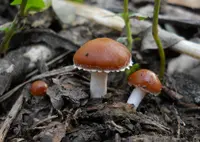
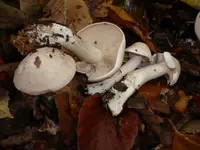
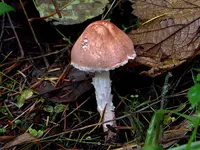
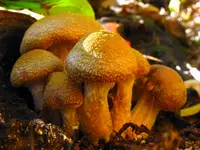
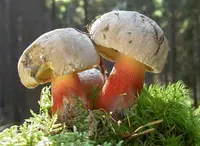
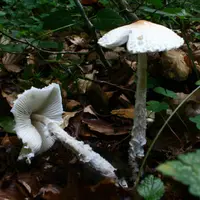
Shield dapperling, Lepiota clypeolaria, is a small woodland mushroom rather than a typical leafy plant. It produces slender stems topped with pale, shield-like caps covered in fine, tufted scales.

This species usually appears in coniferous and mixed forests across temperate regions, often growing on the ground among leaf litter or moss. It has a delicate build and short life cycle, so it is not suited to casual cultivation.

Fungi like this require very specific substrates, moisture levels, and microclimates, so attempts to care for Shield Dapperling at home are rarely successful.

Main Plant Requirements

Care Difficulty

Hard Care

Light Preference

Partial Shade

Water Requirements

Keep Soil Moist

Temperature Preference

Cool Climate

Hardiness Zone

Unknown

Soil Texture

Loamy, Organic-rich, Peaty

Soil pH

Acidic (5.5–6.5)

Soil Drainage

Moist but well-drained

Fertilization

Minimal (feed rarely)

Get Personalized Care Plan

Scan your plant to receive care tips personalized for your specific plant

Available on iOS and Android

How to Care for the Shield Dapperling

This woodland fungus prefers soft, filtered light that mimics a forest floor environment.

  • Provide dappled shade or light filtered through trees, with only brief direct morning sun, ideally no more than 1–2 hours per day.
  • Site Shield Dapperling where it receives bright, indirect light for 4–6 hours, but protect it from strong midday and afternoon sun that dries the substrate too quickly.
  • In summer, choose north or east-facing woodland edges; in cooler months, ensure some open canopy so light still reaches the fruiting area.

This species develops best in consistently moist, humus-rich woodland soil, not in saturated ground.

  • Aim for soil that stays evenly damp to at least the top 3–5 cm, using leaf litter or mulch to slow evaporation and maintain moisture.
  • Increase moisture during active fruiting after rains, but avoid standing water or anaerobic, swampy spots that cause decay of fungal mycelium.
  • Reduce added moisture in cooler months, watching for signs of stress such as cracked, dry soil (too dry) or sour, rotten odors from the ground (too wet) around Lepiota clypeolaria.

This fungus thrives in cool to mild conditions typical of shaded temperate woodlands.

  • Optimal fruiting usually occurs around 50–68°F (10–20°C), with mycelium growth possible in a slightly broader cool range when soil stays moist.
  • Tolerates down to about 32°F (0°C) in the soil layer, but hard freezes and repeated frost–thaw cycles can damage exposed fruiting bodies.
  • Heat above 77–82°F (25–28°C), especially combined with dry air and sun, quickly dries caps and substrate, so a shaded, cool, moist microclimate is important in hot seasons.

Humidity is not a primary control factor for Lepiota clypeolaria, which relies more on overall substrate moisture and temperature than air humidity.

This woodland mushroom needs a loose, organic-rich substrate that mimics decomposing forest litter.

  • Use a mix dominated by leaf litter, well-rotted hardwood chips, and composted bark to provide structure and slow-release nutrients.
  • Ensure the substrate drains freely yet stays evenly moist; avoid waterlogged conditions that turn the mix anaerobic and favor rot.
  • Aim for slightly acidic conditions around pH 5.0–6.5, typical of many forest floors where Lepiota clypeolaria naturally occurs.
  • Improve aeration by incorporating coarse particles such as chunky bark and a small portion of perlite rather than fine sand, which can compact.

This species is generally unsuitable for long-term container growing, as it depends on complex woodland soil and microbial networks that are difficult to reproduce in pots.

This woodland fungus does not benefit from intentional fertilization in gardens or containers.

Lepiota clypeolaria does not require or tolerate conventional pruning because the fruiting body is short-lived and delicate.

This species is a wild, soil- and litter-dwelling fungus that is not suited to conventional repotting or transplanting.

  • Transplanting attempts usually fail because the underground mycelium network is extensive and easily damaged.
  • If moved at all, transfer a generous intact block of original soil and leaf litter around the colony.
  • Disturb the surrounding habitat as little as possible to avoid stressing or killing the mycelium.
  • Treat fruiting mushrooms as temporary structures emerging from a larger, largely immobile organism.

Propagation of Lepiota clypeolaria is specialized and not recommended for general growers because it relies on complex fungal life cycles and soil ecology.

This wild fungus is naturally adapted to local seasonal conditions and does not require intentional winter care in gardens or containers.

Care Tips

Spore Containment

Place fruiting containers inside a larger clear tote with a loose lid so spores settle within the tote instead of dispersing around the room, which keeps surfaces cleaner and reduces inhalation risk during caring for Shield Dapperling.

Targeted Mist Technique

Mist the inner walls of the fruiting chamber rather than directly on caps, as this maintains high humidity around the mushrooms while reducing cap spotting, bacterial blotch, and overly waterlogged gills.

Substrate Depth Control

Limit substrate depth to about 5–8 cm in trays so the block colonizes evenly and fully, which lowers the chance of anaerobic (airless) pockets that can cause sour smells and contamination.

Dedicated Handling Tools

Use a separate clean knife or scalpel only for harvesting and trimming these mushrooms, disinfecting it with isopropyl alcohol before each use to avoid transferring mold or bacteria between trays.

Staggered Fruiting Setup

Prepare 2–3 small containers at 1–2 week intervals instead of one large batch so that if one unit contaminates, the others can continue fruiting while the affected unit is removed and cleaned promptly.

Common Pests and Diseases

Mycophagous springtails

These insects feed on fungal tissue, including fruiting bodies, and can scar caps and stems of mushrooms in cultivation trays or culture boxes. Symptoms include pitted, rough surfaces and small jumping insects visible in and around the substrate.

Solution

Reduce excess moisture while keeping the substrate just evenly damp, and improve ventilation around cultures to make conditions less favorable. Remove and discard heavily damaged fruiting bodies, then use sticky traps and, if needed, a targeted biological control such as predatory mites that feed on springtails without harming the fungal culture.

Fungus gnat larvae

This pest tunnels through developing fungal tissue and organic substrate, causing distorted or collapsing caps and stems, especially in enclosed or indoor setups. This pest also increases the risk of secondary bacterial or fungal contamination via feeding wounds.

Solution

Allow the upper layer of the substrate to dry slightly between misting, and improve airflow so surfaces do not stay constantly wet. Use yellow sticky traps for adult gnats, cover substrate with a fine mesh or breathable lid, and, where necessary, introduce biological controls such as Bacillus thuringiensis israelensis (Bti) applied according to label directions for mushroom or substrate use.

Green Trichoderma mold

This disease appears as rapidly spreading, bright to dark green patches on casing or substrate that can overgrow Lepiota clypeolaria mycelium. Symptoms include reduced or halted fruiting, off odors, and visible replacement of white mycelium with dense green mold.

Solution

Promptly remove and bag contaminated sections of substrate along with nearby material, and dispose of them away from any other cultures. Reduce humidity peaks, increase fresh air exchange, and in future cycles heat-treat or pressure-sterilize substrate and use strict tool and container hygiene to prevent reintroduction.

Bacterial blotch

This disease causes water-soaked, slimy, yellow to brown lesions on mushroom caps, often starting where standing water remains too long. Symptoms include localized soft spots that may spread under persistently wet and poorly ventilated conditions.

Solution

Avoid overhead watering that leaves droplets sitting on caps; instead mist the surrounding air or surfaces lightly so humidity stays high without soaking the mushrooms. Increase air movement and keep humidity stable rather than extreme, remove affected fruiting bodies, and disinfect tools and trays before the next attempt at growing Shield Dapperling.

Interesting Facts

Distinct shielded cap

This species has a characteristic granular to scaly cap surface with a darker central disc, giving it a shield-like appearance that inspired both its common name, shield dapperling, and the species epithet clypeolaria, from Latin for small shield.

Strong arsenic-like odor

Mature fruiting bodies can develop a pungent, somewhat arsenic-like or unpleasant chemical odor, which helps experienced mycologists separate it from some other pale woodland Lepiota species with milder scents.

Yellowing stem base

The stem base often shows a distinct yellowish discoloration and carries loose, cottony scales above a fragile ring zone, a combination of features used in field identification of this particular woodland fungus.

Botan icon

Did you know?

This species is considered poisonous and is placed in a genus that includes several dangerously toxic species containing potent cyclic peptides, so it is strongly discouraged as an edible despite sometimes being confused with small, harmless woodland mushrooms.

FAQs about Shield Dapperling

This species is considered poisonous and should never be eaten. Ingestion can cause serious gastrointestinal distress and possibly more severe symptoms. Children and pets must be kept away, and any suspected poisoning needs immediate medical or veterinary attention.

Grow Healthy Plants with Botan Care

Keep your plants happy and healthy with plant identification, disease detection, and easy care guidance.

Botan plant care app — identify plants on mobile

Explore More Plants