Flowery Blewit Care (Lepista irina)

Flowery Blewit

About Flowery Blewit

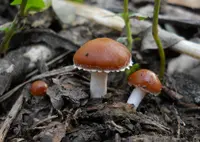
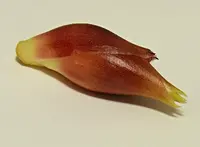
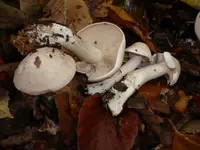
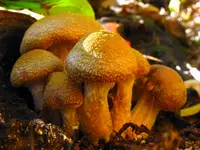
Flowery Blewit, Lepista irina, is a saprotrophic mushroom that lives on decaying organic matter rather than functioning as a typical green plant. It forms sturdy, fleshy caps in soft lilac to pale beige tones, often with a slightly inrolled edge and thick, crowded gills beneath. In nature it appears in leaf litter, gardens, and grassy areas, mainly in temperate regions of Europe and parts of North America.

This species is considered edible by some sources but is easily confused with other mushrooms, which makes it risky for casual foragers. For those interested in how to care for Flowery Blewit in cultivation, it generally prefers cool conditions, consistent moisture, and rich organic substrates such as composted leaf litter or wood chips.

Main Plant Requirements

Care Difficulty

Moderate Care

Light Preference

Partial Shade

Water Requirements

Keep Soil Moist

Temperature Preference

Cool Climate

Hardiness Zone

Unknown

Soil Texture

Loamy, Silty, Organic-rich

Soil pH

Acidic (5.5–6.5), Slightly acidic (6.5–7.0)

Soil Drainage

Moist but well-drained

Fertilization

Minimal (feed rarely)

Get Personalized Care Plan

Scan your plant to receive care tips personalized for your specific plant

Available on iOS and Android

How to Care for the Flowery Blewit

Lepista irina prefers cool, softly lit habitats rather than direct, intense sun.

  • Provide bright, dappled light or light shade, such as woodland edges with 2–4 hours of gentle morning sun and shaded conditions the rest of the day.
  • Avoid strong midday and afternoon sun, which can dry the substrate quickly and stress developing Flowery Blewit fruiting bodies.
  • In summer, choose sites with overhead tree canopy; in cooler seasons, slightly more open light is acceptable as long as the substrate does not dry out.

Lepista irina needs consistently moist, not waterlogged, substrate to fruit well.

  • Maintain evenly moist leaf litter or soil; if the top 2–3 cm feel dry to the touch, add water with a fine spray or gentle soak.
  • Use well-drained, humus-rich ground so water does not pool for more than a few hours, which can lead to rot and loss of mycelium.
  • Increase moisture during dry, warm periods and reduce added water after steady rainfall; pale, shriveling caps suggest underwatering, while soft, slimy caps suggest excess moisture.

This species fruits best in cool to mild conditions rather than in heat or hard frost.

  • Aim for an active growth and fruiting range of 50–65°F (10–18°C), which reflects typical cool-season woodland conditions.
  • Lepista irina tolerates brief drops to around 32°F (0°C), but repeated hard frosts or frozen substrate will slow or stop fruiting.
  • Sustained temperatures above 75°F (24°C) with dry air reduce fruiting; in warmer seasons, rely on shade and mulch to keep the substrate cooler.

This mushroom-forming species benefits from stable, moderately moist air around developing fruiting bodies.

  • Aim for ambient humidity around 70–85% when pins and caps are forming.
  • It tolerates brief dips to 50–60%, but prolonged dry air causes cracked caps, tough texture, and slow or stalled development.
  • Increase humidity with fine misting away from caps, damp perlite trays, or a ventilated humidity tent, always avoiding condensation dripping onto clusters.

This fungus fruits best in loose, consistently moist, organic-rich substrate rather than true mineral soil.

  • Use a mix based on leaf litter, well-rotted compost, and fine wood chips, with structure similar to loose forest duff that holds moisture yet does not compact.
  • Ensure free drainage underneath beds or trays so water can move through the substrate without pooling around the mycelium.
  • Keep pH roughly neutral to slightly acidic (pH 6.0–7.0), adjusting with garden lime or sulfur only if local soil is very extreme.
  • Improve aeration by blending in coarse organic material and avoiding heavy clay, standing water, or dense, trampled ground that limits gas exchange.

This species can be grown in containers if the vessel and substrate are managed to mimic a shallow, well-aerated forest floor.

  • Choose wide, shallow tubs or boxes to maximize surface area for fruiting rather than deep, narrow pots that restrict lateral spread.
  • Drill extra side holes near the lower walls so excess water can escape and fresh air can reach the colonized substrate layer.
  • Use rigid containers that keep their shape when lifted, preventing hidden substrate compaction that reduces aeration and fruiting potential.

Lepista irina, often called Flowery Blewit, usually grows well in reasonably rich, undisturbed soil with minimal additional feeding.

  • In garden or woodland beds, incorporate a light layer of mature compost or well-rotted leaf mold once each spring.
  • Avoid high-nitrogen synthetic fertilizers; a mild, balanced NPK product at half strength is sufficient if growth seems weak.
  • During the active growing and fruiting period, 1 light feeding is enough; do not apply fertilizer in winter or when dormant.

Pruning is generally not applied to Lepista irina, since it is a fungus forming ephemeral fruiting bodies rather than a woody or leafy plant.

Transplanting Lepista irina focuses on moving or establishing its mycelium rather than handling it like a typical potted plant.

  • Transplant in cool, moist weather during fall or early spring, when mycelial growth is active and stress is lower.
  • Move colonized substrate, such as leaf litter or woodchip-rich soil, in intact blocks to keep the mycelium network as undisturbed as possible.
  • Avoid frequent disturbance; once a patch is established, leave it in place for several years to stabilize and fruit well.
  • Water gently after transplanting to settle the substrate, then maintain consistent, moderate moisture without waterlogging.

Propagation of Lepista irina is usually done by spreading mycelium rather than using seeds or cuttings like a conventional plant.

  • Use spawn or colonized substrate, transferring small sections into fresh, organic-rich, slightly acidic soil or leaf litter.
  • Carry out propagation in cool, moist conditions of fall or early spring to support rapid mycelial spread.
  • Bury colonized pieces just below the surface, keeping them shaded and evenly moist but not saturated.
  • Avoid mixing in fresh, harsh chemicals or strong fertilizers around new colonies, as these can suppress fungal establishment.

Lepista irina is generally cold hardy in temperate climates and usually needs little targeted winter care in the ground.

  • In regions with severe freeze–thaw cycles, a 3–5 cm layer of loose leaf mulch helps buffer soil temperature around the mycelium.
  • Avoid deep soil disturbance or heavy compaction over known patches during winter.
  • Container-based cultures, if used, should be kept just above freezing in a sheltered, shaded, and evenly moist environment.

Care Tips

Use spawn blocks

Establish the fungus by burying or crumbling commercial grain or sawdust spawn blocks into a prepared wood chip bed, as this creates multiple colonization points and speeds up growing Flowery Blewit in outdoor settings.

Layered substrate bed

When creating a bed, alternate thin layers of hardwood chips and moist leaf litter with spawn in between, which mimics natural forest duff and supports stronger, more even mycelium growth.

Shaded moisture barrier

Cover newly inoculated beds with breathable materials such as cardboard topped with leaves for the first 2–4 weeks to reduce surface drying and protect the mycelium from direct sun and wind.

Seasonal bed renewal

Refresh outdoor beds every 1–2 years by adding a new 3–5 cm layer of hardwood chips and lightly mixing the top layer so the existing mycelium can colonize the fresh food source and maintain productivity.

Targeted slug control

Place rough copper tape borders or shallow beer traps around productive fruiting zones, checking and resetting them after rains, since slugs are a primary consumer of young mushrooms and can quickly strip a flush.

Common Pests and Diseases

Mycogone infection

This disease affects the fruiting bodies, causing distorted, cauliflower-like growths that become soft and brown. Symptoms include malformed caps, a wet rot, and a foul odor that makes the mushrooms unusable.

Solution

Immediately remove and discard all affected mushrooms and any nearby substrate, then reduce moisture, increase fresh air exchange, and avoid overhead water splashing on developing caps. Disinfect tools and trays with a dilute bleach solution, and start new cultures from clean spawn if contamination persists, following strict hygiene as part of Lepista irina care.

Trichoderma green mold

This disease appears as fast-spreading bright green patches on the substrate surface, often after a white phase, and competes aggressively with the mushroom mycelium. Symptoms include stalled or patchy colonization and poor or absent fruiting in contaminated zones.

Solution

Carefully cut out and bag contaminated substrate, remove it from the growing area, and slightly lower humidity while improving air movement to slow mold growth. Between cycles, deep-clean the room, discard heavily infested blocks, and reinforce sterilization or pasteurization of new substrate and tools to prevent reinfection.

Mite infestation

These insects feed on mycelium and young primordia, leading to poor development, deformed caps, and sometimes small pits on the mushroom surface. This pest often appears as tiny moving specks on the substrate or around the base of fruiting bodies.

Solution

Isolate affected trays, physically remove heavily infested blocks, and keep the growing area clean and dry between flushes to disrupt mite life cycles. Use fine mesh filters on air inlets, avoid bringing in unsterilized organic material, and consider introducing predatory mites or applying a targeted miticide labeled for mushroom production, following all safety directions carefully.

Sciarid fungus gnats

These insects lay eggs in the moist substrate, and their larvae feed on mycelium and developing mushrooms, causing reduced yields and distorted fruiting bodies. Adults resemble small dark flies hovering near vents, substrate, or fruiting shelves.

Solution

Use yellow sticky traps to monitor and reduce adult populations, and seal or screen vents and openings to limit entry. Allow the casing or substrate surface to dry slightly between waterings, remove decaying organic debris, and where permitted, apply a biological control such as Bacillus thuringiensis israelensis (Bti) to target larvae in the substrate.

Interesting Facts

Distinct floral scent

Unlike many mushrooms, this species produces a clear floral or perfume-like odor, often compared to lilac or iris, which is a key field character for separating it from similar pale Lepista and Clitocybe species.

Pale lilac tinge

Young fruiting bodies often show a subtle lilac or pinkish-violet tint on the cap or gills that tends to fade with age, making careful observation of fresh specimens important for reliable identification.

Late-season fruiting

This fungus typically fruits in late autumn to early winter in temperate regions, appearing in leaf litter of broadleaf or mixed woodlands when many other mushroom species have already disappeared.

Botan icon

Did you know?

Molecular studies have shown that several mushrooms historically grouped under Lepista, including Lepista irina, actually fall within an expanded concept of the genus Clitocybe, so some modern authors place this species in Clitocybe instead, reflecting ongoing revision of its taxonomic position.

FAQs about Flowery Blewit

Yes, this mushroom is considered edible when correctly identified and thoroughly cooked. However, it can be confused with toxic look-alikes. Only experienced foragers should harvest it, and any gastrointestinal reaction means avoid future consumption.

Grow Healthy Plants with Botan Care

Keep your plants happy and healthy with plant identification, disease detection, and easy care guidance.

Botan plant care app — identify plants on mobile

Explore More Plants