Leopard Earthball Care (Scleroderma areolatum)

Leopard Earthball

About Leopard Earthball

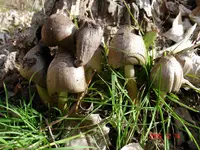
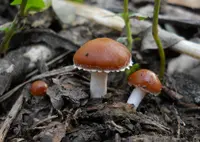
Leopard earthball, Scleroderma areolatum, is a small, round, puffball-like fungus rather than a typical leafy plant. It has a thick, often cracked outer skin with dark, dusty spores inside.

This species grows on the ground in woodlands, forest edges, and sometimes lawns, usually in temperate regions of the Northern Hemisphere. It often associates with tree roots, forming mycorrhiza, a mutually beneficial partnership that supports tree nutrition.

Because of its specific relationship with trees and soil fungi, it is not easy to cultivate deliberately at home. Gardeners who want to learn how to care for Leopard Earthball mainly focus on preserving suitable woodland-like soil and undisturbed root zones.

Main Plant Requirements

Care Difficulty

Moderate Care

Light Preference

Partial Shade

Water Requirements

Moderate Water

Temperature Preference

Cool Climate

Hardiness Zone

4–9

Soil Texture

Loamy, Sandy, Organic-rich

Soil pH

Acidic (5.5–6.5), Slightly acidic (6.5–7.0)

Soil Drainage

Well-drained

Fertilization

Minimal (feed rarely)

Get Personalized Care Plan

Scan your plant to receive care tips personalized for your specific plant

Available on iOS and Android

How to Care for the Leopard Earthball

This ectomycorrhizal fungus prefers woodland light conditions rather than open, exposed sun.

  • Provide dappled or filtered light under deciduous trees, with roughly 2–4 hours of soft morning sun and shade during harsh afternoon sun.
  • Tolerates partial shade to bright shade; direct sun on bare soil can dry the upper layer and stress Leopard Earthball, especially in summer.
  • In hot seasons, use leaf litter or low groundcover to shade the soil surface; in cooler seasons, slightly more indirect light is acceptable.

This soil-dwelling fungus benefits from steady, moderate moisture rather than frequent surface soaking.

  • Allow the top 2–3 cm of soil to dry slightly between natural rains or irrigations, keeping the deeper layer lightly moist but never saturated.
  • Use well-drained, sandy or loamy soil so excess water runs off; persistent puddling, a sour smell, or collapsing fruiting bodies indicate overwatering.
  • During dry, warm periods, irrigate slowly to moisten the upper 5–8 cm of soil; if soil cracks or fruiting bodies shrivel, moisture has been too low for Scleroderma areolatum.

This woodland fungus is adapted to temperate climates with cool to mild conditions.

  • Optimal activity generally occurs around 50–70°F (10–21°C), typical of spring and fall in many temperate forests.
  • Tolerates cool conditions down to about 23–28°F (-5 to -2°C) in soil, but repeated hard freezes can damage exposed fruiting bodies.
  • Handles moderate summer warmth up to about 80–86°F (27–30°C) if soil stays shaded and moist; prolonged heat above this, combined with drought, reduces fruiting.

Humidity plays a minor role for Scleroderma areolatum, which adapts well to typical outdoor air levels.

This ectomycorrhizal fungus needs mineral-based, well-aerated ground rather than typical potting mixes.

  • Use sandy or sandy-loam soil with 20–40% coarse mineral content such as sharp sand or fine grit to keep the structure open.
  • Aim for slightly acidic to neutral pH around 5.5–7.0, matching the native woodland or grassland where the host tree grows.
  • Incorporate a modest amount of leaf litter or well-rotted compost into the top layer only, avoiding thick, water-holding organic horizons.
  • Avoid compacted, heavy clay or waterlogged sites, since these reduce aeration and discourage stable Scleroderma areolatum mycelium development.

This species is generally unsuitable for container growing, since it depends on long-term association with tree roots in open ground.

Scleroderma areolatum forms a mycorrhizal partnership with trees and generally should not be fertilized directly.

Pruning is not a standard practice for Scleroderma areolatum, since it is a truffle‑like fungus rather than a leafy plant.

Transplanting this mycorrhizal fungus is unreliable and usually not recommended, as it depends on specific tree root partners.

  • Leave established colonies undisturbed; disturbance often breaks the essential root–fungus connection.
  • If grown in experimental containers, disturb the root ball as little as possible when moving young host trees.
  • Transplant only during cool, moist weather to reduce stress on the host tree roots.
  • Use the same soil type and pH as the original site to maintain compatible conditions for the fungus.

Propagation of Scleroderma areolatum is challenging and rarely attempted outside research or specialized cultivation.

This fungus is naturally cold hardy in temperate climates and generally needs no special winter care.

Care Tips

Mycorrhizal partner check

Before planting, confirm the presence of compatible tree hosts (such as oaks, pines, or birches) since this ectomycorrhizal fungus needs living roots to establish and will not persist in isolated beds or containers.

Minimize soil disturbance

Once fruiting is observed in an area, avoid deep digging, rototilling, or aggressive raking there so the underground mycelial network and fine tree feeder roots remain intact and productive.

Careful leaf-litter management

Maintain a light but continuous layer of leaf litter over the rooting zone, removing only thick, matted patches so the soil stays aerated while retaining enough organic cover to support stable moisture and fungal activity.

Targeted compaction control

Keep foot traffic, heavy pots, and equipment away from known fruiting spots, as compacted soil reduces pore space, limits gas exchange, and can sharply reduce or stop fruiting bodies from forming.

Gentle harvest technique

When collecting mature earthballs, cut or twist them off at the base rather than digging them out, leaving surrounding soil and mycelium undisturbed to support future fruiting and simplify caring for Leopard Earthball over several seasons.

Common Pests and Diseases

Mycophagous springtails

These insects feed on fungal tissue, especially young and damaged fruitbodies, leaving pitted or grazed surfaces. Symptoms include fine surface scarring and gradual collapse of immature puffballs in very moist substrates.

Solution

Limit standing moisture and avoid excessively saturated substrates around developing fruitbodies, as springtails thrive in constantly wet conditions. Gently remove and discard heavily grazed, decaying specimens and maintain a clean fruiting area to reduce organic debris where these insects build up.

Sciarid fungus gnats

These insects are attracted to moist, organic substrates and can damage developing puffballs by tunneling and feeding inside them. Symptoms include soft, collapsing tissues and the presence of tiny black flies hovering near the substrate.

Solution

Reduce excess moisture in cultivation beds, improve drainage, and remove heavily infested or collapsing fruitbodies. Use fine mesh or physical barriers over culture containers and apply targeted biological controls such as Bacillus thuringiensis israelensis (Bti) in the substrate if populations become persistent.

Mite colonization

These pests are tiny arthropods that can invade mature or damaged puffballs, accelerating decay and deformation. Symptoms include roughened surfaces, fine powdery frass, and rapid breakdown of older fruitbodies.

Solution

Discard overmature or damaged sporocarps promptly and avoid leaving decaying fungal material on site, which attracts mites. If cultivating, maintain good hygiene of tools and containers, and allow the substrate surface to dry slightly between waterings to discourage mite buildup.

Parasitic fungi

This disease is caused by other fungi that invade developing puffballs, often leading to discolored, misshapen, or partly overgrown fruitbodies. Symptoms include abnormal surface growths, patchy discoloration, and sections of tissue that fail to mature normally.

Solution

Remove and dispose of any malformed, discolored, or overgrown fruitbodies to reduce spore spread from the parasitic species. In any deliberate growing setup, keep tools and containers clean, avoid reusing heavily contaminated substrate, and provide good air exchange to discourage competing fungal overgrowth.

Interesting Facts

Distinct leopard-like pattern

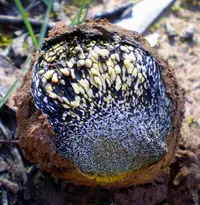
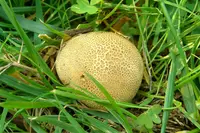
The outer surface of the fruiting body is covered with irregular, pale patches on a darker background, forming a cracked, net-like pattern that inspired the common name leopard earthball.

Ectomycorrhizal forest partner

This fungus forms ectomycorrhizal associations with roots of various broadleaf and conifer trees, helping them absorb water and minerals while receiving carbohydrates in return.

Powdery spore interior

Mature fruiting bodies develop a dark, powdery mass of spores inside, which is released through ruptures in the thick outer skin rather than through a defined pore as in many puffballs.

Botan icon

Did you know?

Molecular studies have shown that this species, once grouped rather broadly with other earthballs, has a distinct genetic identity, leading to a narrower and more precise concept of Scleroderma areolatum in modern mycology.

FAQs about Leopard Earthball

This fungus is considered toxic and should not be eaten by people or animals. Ingestion can cause gastrointestinal upset and other symptoms. Children and pets should be discouraged from handling or tasting the fruiting bodies.

Grow Healthy Plants with Botan Care

Keep your plants happy and healthy with plant identification, disease detection, and easy care guidance.

Botan plant care app — identify plants on mobile

Explore More Plants