fatal dapperling Care (Lepiota subincarnata)

fatal dapperling

About fatal dapperling

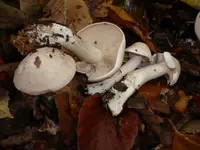
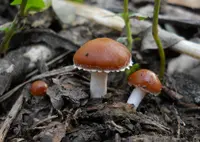
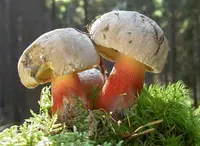
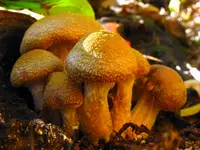
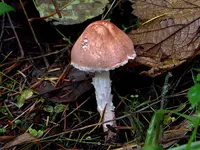
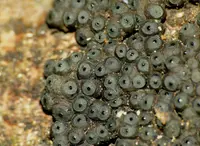
The fatal dapperling, Lepiota subincarnata, is a small, gilled mushroom rather than a typical leafy houseplant. It forms delicate caps with pinkish to flesh-colored tones and a scaly surface, supported by a slender stem.

This species usually appears in lawns, parks, and forest edges, often in nutrient-rich, disturbed soils. It grows from buried organic matter and can appear suddenly after rain.

Because it is highly poisonous and difficult to distinguish from harmless lawn mushrooms, it is not suitable for cultivation or for those wanting to learn how to care for fatal dapperling. Any contact or collection should be approached with great caution.

Main Plant Requirements

Care Difficulty

Moderate Care

Light Preference

Partial Shade

Water Requirements

Keep Soil Moist

Temperature Preference

Cool Climate

Hardiness Zone

Unknown

Soil Texture

Loamy, Organic-rich

Soil pH

Acidic (5.5–6.5), Slightly acidic (6.5–7.0)

Soil Drainage

Moist but well-drained

Fertilization

Minimal (feed rarely)

Get Personalized Care Plan

Scan your plant to receive care tips personalized for your specific plant

Available on iOS and Android

How to Care for the fatal dapperling

This toxic woodland fungus develops best under stable, shaded light conditions rather than direct sun exposure.

  • Provide dappled or filtered light under trees, avoiding more than 1–2 hours of direct midday sun to prevent drying of the substrate and desiccation of fruiting bodies.
  • Site fatal dapperling in partial to full shade, with brief early-morning or late-afternoon sun acceptable if the soil remains cool and moist.
  • In summer, protect from intense sun and drying winds; in cooler seasons, slightly more open shade is acceptable as long as the ground does not bake or crack.

This mushroom depends on consistently moist, well-drained soil rather than surface watering habits.

  • Aim for soil that stays evenly moist 5–10 cm below the surface; the top 1–2 cm may dry slightly, but deeper layers should feel cool and damp when checked by hand.
  • Ensure organic, loose soil with good drainage; standing water, sour smells, or slimy mycelium indicate overwatering and poor aeration in the substrate.
  • Slow cap development, shrinking caps, and brittle stalks suggest the soil is drying too much; increased rainfall in cool seasons often reduces the need for supplemental moisture around Lepiota subincarnata.

This species fruits best in mild, cool to temperate conditions rather than temperature extremes.

  • Optimal fruiting usually occurs around 55–70°F (13–21°C), typical of shaded woodland floors during spring or fall in temperate regions.
  • Mycelium often tolerates down to about 32°F (0°C) in soil, but hard, prolonged freezes above the root zone reduce activity and can halt fruiting completely.
  • Sustained heat above 80–85°F (27–29°C) combined with dry conditions sharply limits fruiting; shade, mulch, and consistent moisture help buffer short warm spells.

Humidity is not a practical care parameter for this highly toxic wild mushroom and cultivation is strongly discouraged.

Soil management for Lepiota subincarnata is not recommended as intentional cultivation of this deadly species should be avoided.

  • In nature it appears in organic-rich leaf litter or turf, often on disturbed, humus-rich ground rather than in dense woodland duff.
  • Fruitbodies are typically associated with well-aerated, free-draining substrates where water does not pool on the surface.
  • It is often found in slightly acidic to neutral conditions, roughly pH 5.5–7, in lawns, parks, and garden beds with decaying plant debris.
  • Do not attempt to prepare mixes or encourage fruiting; treat any appearance of this fungus as a hazard, not a cultivation opportunity.

This species is not suitable for container growing and deliberate culture of fatal dapperling should not be attempted.

Lepiota subincarnata is a wild, highly toxic mushroom that does not require or benefit from deliberate fertilization in gardens or containers.

Lepiota subincarnata is not managed as a garden plant, so no intentional pruning is needed or recommended.

This fungus is not suited to normal repotting or transplanting practices used for ornamental or edible plants.

  • Avoid lifting or moving wild clumps; disturbance rarely succeeds in re-establishing the organism.
  • Leave mushrooms undisturbed in situ, as the main fungal body (mycelium) stays in the soil or substrate.
  • If removal is necessary for safety, dig out and discard fruiting bodies and the immediate surrounding substrate, then dispose of them securely.

Deliberate propagation of Lepiota subincarnata is strongly discouraged due to its severe toxicity and lack of horticultural value.

This wild mushroom species does not require intentional winter care in gardens or landscapes.

Care Tips

Strict containment

Always fruit this fungus inside a sealed, dedicated container or mini-greenhouse placed out of reach of children and pets, and dispose of all substrate and spent blocks in tied bags to prevent accidental spread or ingestion.

Spore load control

When caps open, remove and seal mature fruiting bodies promptly rather than letting them fully sporulate, which limits airborne spores in enclosed spaces and reduces the chance of confusing look-alike mushrooms in the area.

Dedicated tools only

Use clearly labeled, dedicated tools and trays for this species and clean them after each use with hot soapy water or disinfectant so no material is accidentally transferred to edible-mushroom projects or garden beds.

Document and label

Keep clear labels on every container with the full name Lepiota subincarnata and a toxicity warning, and maintain basic notes or photos so anyone assisting with caring for fatal dapperling understands what it is and how it was handled.

Safe waste handling

Collect all trimmings, aborted pins, and contaminated substrate in heavy-duty bags, seal them, and place them in household trash rather than composting, to avoid introducing this highly toxic species into outdoor soil or compost systems.

Common Pests and Diseases

fungal parasitism

This disease affects the fruiting bodies of the mushroom rather than an underlying plant root system. Symptoms include distorted caps, patchy discoloration, or rapid collapse of young mushrooms caused by other fungi colonizing the tissue.

Solution

Remove and discard affected mushrooms as soon as distortion or abnormal spots appear, and avoid leaving decaying fruiting bodies in place since they serve as a source of fungal spores. Improve site cleanliness by raking away old mushroom debris and organic litter where practical, which reduces the chance of repeated colonization.

mycophagous flies

These insects lay eggs on or near the mushroom, and the larvae tunnel through the caps and stems. Symptoms include small entry holes, soft, watery tissue, and rapid breakdown of the fruiting body.

Solution

Collect and dispose of mushrooms promptly once they appear to limit the time available for egg‑laying. In outdoor settings, maintaining good sanitation by removing decaying mushrooms and nearby rotting organic matter helps lower fly populations without chemical treatments.

slugs and snails

These pests feed directly on the soft mushroom tissue. Symptoms include irregular chunks missing from caps, slime trails, and rapid cosmetic damage soon after mushrooms emerge.

Solution

Hand‑remove slugs and snails in the evening or early morning and reduce their shelter by clearing dense ground litter close to where mushrooms appear. Physical barriers such as copper tape around small, contained beds or targeted iron phosphate slug baits can also reduce grazing without affecting the underlying mycelium.

Interesting Facts

Deadly amatoxin content

This mushroom contains amatoxins, the same group of cyclic peptides found in death caps, which can cause severe and often fatal liver and kidney failure if ingested.

Misleading small size

It typically produces very small, delicate fruiting bodies, which can cause foragers to underestimate its toxicity and mistake it for harmless edible Lepiota or Macrolepiota species.

Urban lawn inhabitant

It often appears in nutrient‑rich, disturbed soils such as garden beds, lawns, and park edges, which brings this highly poisonous species into close proximity with households and pets.

Botan icon

Did you know?

Poisonings from this species have been documented in several European countries and in Asia, and confirmed identification in clinical cases usually relies on microscopic spore and tissue analysis combined with chemical detection of amatoxins rather than macroscopic appearance alone.

FAQs about fatal dapperling

This species is highly poisonous to both humans and animals. It contains amatoxins that cause severe liver and kidney damage. Ingestion, even in small amounts, is a medical emergency requiring immediate hospital treatment.

Grow Healthy Plants with Botan Care

Keep your plants happy and healthy with plant identification, disease detection, and easy care guidance.

Botan plant care app — identify plants on mobile

Explore More Plants