Floccularia albolanaripes Care

Floccularia albolanaripes

About Floccularia albolanaripes

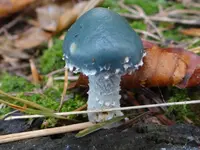
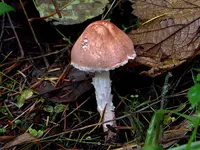
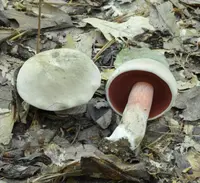
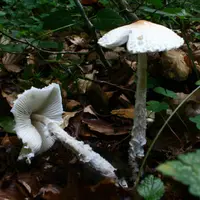
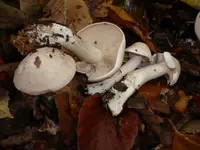
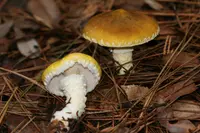
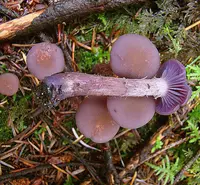
Floccularia albolanaripes is a terrestrial mushroom-forming fungus, not a leafy houseplant. It produces compact, pale yellow to cream caps with a flocculose, or woolly, surface and a sturdy central stem. The gills are usually pale and crowded, giving it a dense appearance.

This species is typically reported from montane coniferous forests in North America, often fruiting on soil among leaf litter and woody debris. It tends to appear in small groups rather than large clusters.

Because it is a forest mushroom with specific habitat and climate needs, it is not suited to standard indoor culture or container growing. Most home growers will not actively care for Floccularia albolanaripes, as it requires specialized fungal cultivation techniques and appropriate outdoor conditions to establish.

Main Plant Requirements

Care Difficulty

Moderate Care

Light Preference

Partial Shade

Water Requirements

Moderate Water

Temperature Preference

Warm Climate

Hardiness Zone

Unknown

Soil Texture

Loamy

Soil pH

Slightly acidic (6.5–7.0)

Soil Drainage

Well-drained

Fertilization

Minimal (feed rarely)

Get Personalized Care Plan

Scan your plant to receive care tips personalized for your specific plant

Available on iOS and Android

How to Care for the Floccularia albolanaripes

This woodland fungus prefers cool, dappled forest light rather than open sun.

  • Provide bright shade or filtered light under trees, with 2–4 hours of gentle morning sun and no harsh afternoon sun exposure.
  • Site in partial shade where the cap is protected from direct midday light, which can dry fruiting bodies and the supporting mycelium in the soil.
  • In summer, increase shade as canopy thins or in cleared areas; in cooler seasons, limited low-angle sun is acceptable if soil moisture stays high.

Moist, well-drained, humus-rich soil is essential for stable fruiting of this fungus.

  • Keep the upper 3–5 cm of forest soil or duff consistently moist but never waterlogged, using light, frequent watering during dry periods rather than deep soaking.
  • Ensure excellent drainage with loose, organic-rich substrate; standing water or sour, swampy smells indicate excess moisture and risk of rot in the mycelium.
  • In cooler, wet seasons, reduce supplemental watering and rely on rainfall, but increase irrigation in heatwaves if the surface dries, cracks, or the substrate pulls away.

This species prefers cool to mild conditions typical of temperate woodlands.

  • Aim for a growing range of 50–68°F (10–20°C), which supports stable mycelial activity and reliable fruiting of Floccularia albolanaripes.
  • Short exposures down to about 32°F (0°C) are usually tolerated in dormant phases, but repeated hard freezes below 28°F (-2°C) can reduce fruiting in following seasons.
  • At higher temperatures above 77°F (25°C), provide deep shade and high soil moisture; prolonged heat above 86°F (30°C) often suppresses fruiting entirely.

This fungus prefers moderately moist air but tolerates a fairly wide humidity range.

  • Aim for 50–70% humidity in sheltered cultivation, avoiding prolonged very dry or very saturated air.
  • Dry air stress shows as caps cracking or drying at the margins and slower fruiting after rainfall or watering events.
  • Increase humidity locally by watering the surrounding substrate, using mulch to retain moisture, and shielding from strong drying winds.

Floccularia albolanaripes fruits best in loose, moist, organic-rich soil with reliable drainage.

  • Use a loamy, humus-rich substrate that holds moisture yet breaks apart easily in the hand, avoiding compacted or sticky clay.
  • Ensure fast drainage by incorporating coarse sand, fine gravel, or perlite so excess water moves through within a few minutes.
  • Maintain soil slightly acidic to neutral, roughly pH 5.5–7.0, which supports associated tree roots and fungal activity.
  • Improve aeration by mixing in leaf litter, well-rotted wood chips, or composted bark, and avoid sites with standing water after rain.

This mycorrhizal fungus is generally unsuitable for long-term container growing because it depends on stable relationships with tree roots in the ground.

This wild mycorrhizal fungus usually grows without supplemental feeding in natural soil rich in organic matter.

Floccularia albolanaripes is not a garden plant and requires no pruning, since only fruiting bodies are visible above ground.

This species is a mycorrhizal woodland fungus and is not suited to typical container culture or routine transplanting.

  • Leave undisturbed in its natural soil and host-tree association, since moving it usually breaks critical root–fungus connections.
  • Avoid digging or dividing the colony; disturbance typically reduces or stops future fruiting.
  • If habitat must be altered, retain existing trees and leaf litter to preserve the underground mycelium.
  • Focus on conserving the original site conditions rather than attempting to relocate the organism.

Propagation of this mycorrhizal mushroom is specialized and not practical for typical home growers.

No special winter care is needed because the underground mycelium tolerates normal seasonal cold in its native range.

Care Tips

Site hygiene

Remove and discard spent mushrooms and any moldy substrate promptly to reduce spore load and limit fungal competitors and pathogens around the fruiting area.

Targeted ventilation

Use a small fan on a low, indirect setting to keep air gently moving across the fruiting zone, which helps form thicker caps and reduces bacterial blotch on developing mushrooms.

Controlled misting

Mist the air and walls around the culture rather than spraying the caps directly, which maintains high humidity at the surface of the substrate without causing waterlogging or slimy, damaged fruitbodies.

Substrate rotation

Stagger small batches of inoculated substrate by 7–10 days so that flushes do not all appear at once, which makes harvesting and monitoring for contamination easier when growing Floccularia albolanaripes.

Clean handling

Harvest with clean gloves or sanitized hands and tools, and avoid touching the substrate more than necessary to limit introduction of bacteria and competing fungi into the culture.

Common Pests and Diseases

Mycophagous springtails

These insects often colonize moist substrates around fruiting bodies, feeding on fungal tissue and spores and occasionally scarring caps and stems. This pest is most visible in very damp chambers or trays with accumulated organic debris.

Solution

Reduce excess surface moisture by improving ventilation and allowing the casing or substrate surface to dry slightly between mistings, then manually remove heavily infested material. For ongoing issues, use fine mesh screens on vents, clean culture containers between cycles, and, if needed, apply a targeted insecticidal soap or pyrethrin product to non-harvest areas only, following label restrictions for edible fungi.

Fungus gnat larvae

These insects breed in very moist, organic substrates and the larvae tunnel into developing fruiting bodies, causing deformed or water-soaked mushrooms. Symptoms include small black adult gnats flying around and soft, damaged tissue at the base of stalks.

Solution

Limit standing moisture, avoid overwatering, and empty any nearby water-filled trays to reduce breeding sites, then use yellow sticky traps to capture flying adults. For persistent problems, drench the substrate margins (not the caps) with a biological larvicide containing Bacillus thuringiensis israelensis (Bti), and maintain tighter hygiene around growing areas to break the life cycle when planning how to take care of Floccularia albolanaripes.

Mite contamination

These pests, including various storage and soil mites, can feed on mycelium and young fruiting bodies, leading to slow or patchy development and surface pitting. This pest often appears following the introduction of unsterilized straw, compost, or contaminated casing materials.

Solution

Discard heavily infested blocks or trays, then thoroughly clean and dry all growing containers, tools, and shelving before restarting. For mild issues, isolate affected cultures, reduce humidity slightly, and use physical barriers such as clean plastic covers and fine mesh filters; in larger setups, consider introducing predatory mites compatible with mushroom production to suppress problem species.

Bacterial blotch

This disease, commonly caused by Pseudomonas species, produces greasy yellow to brown spots on caps that may become sunken and slimy in persistently wet conditions. Symptoms include localized lesions where water has sat on the cap surface for extended periods.

Solution

Prevent standing water on caps by misting the air rather than directly spraying fruiting bodies, and improve air circulation to dry surfaces within 1–2 hours after humidity cycles. Remove and discard badly spotted mushrooms, sanitize tools and trays, and between crops wash growing equipment with a disinfectant such as diluted bleach (followed by thorough rinsing) to reduce bacterial load.

Green mold contamination

This disease, most often due to Trichoderma species, appears as bright white mycelium that quickly turns green and powdery, overrunning the substrate and suppressing mushroom formation. This disease is favored by high humidity, warm temperatures, and unsterilized or poorly pasteurized growing media.

Solution

Promptly remove and discard contaminated blocks, trays, or sections of substrate to limit spore spread, then carefully clean the surrounding area and any nearby surfaces. For prevention, use properly pasteurized or sterilized substrates, avoid introducing garden soil or unclean compost, maintain good ventilation, and keep separate, clean zones for substrate preparation, incubation, and fruiting to reduce cross-contamination.

Interesting Facts

Ringed cap pattern

The cap surface typically shows distinct concentric zones of color, with a yellowish center and paler to whitish outer rings, a feature used by mycologists to help distinguish it from similar woodland mushrooms.

Cottony stem bands

Its stem often carries loose, cottony, white rings or bands of veil tissue that can leave flaky deposits on both the stem and cap margin, reflecting how the partial veil tore as the mushroom expanded.

Conifer forest associate

This species is most often recorded in montane conifer forests of western North America, especially with pines and firs, where it fruits on the ground among needles and forest litter in late summer to autumn.

FAQs about Floccularia albolanaripes

This species is generally treated as inedible or at least of questionable edibility. Identification in this group is difficult, and confusion with toxic look-alikes is possible, so for safety it is best not to consume it.

Grow Healthy Plants with Botan Care

Keep your plants happy and healthy with plant identification, disease detection, and easy care guidance.

Botan plant care app — identify plants on mobile

Explore More Plants