grassland red crassula Care (Crassula alba)

grassland red crassula

About grassland red crassula

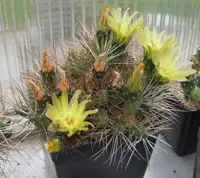
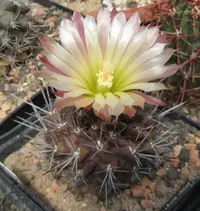
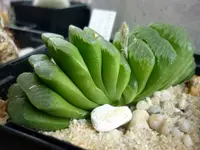
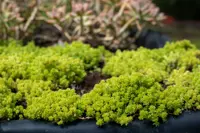
Grassland red crassula (Crassula alba) is a small, clumping succulent known for its compact rosettes and often reddish-tinted leaves. It stays low and neat, which suits windowsills, desks, and small containers.

This species is native to southern Africa, where it grows in open, sunny, often rocky grasslands with well-drained soils. Its drought tolerance and slow, tidy growth habit usually make it straightforward to care for grassland red crassula.

It generally prefers bright light, low to moderate moisture, and a gritty, fast-draining substrate that prevents water from sitting around the roots.

Main Plant Requirements

Care Difficulty

Easy Care

Light Preference

Full Sun

Water Requirements

Low Water

Temperature Preference

Tropical / Frost Sensitive

Hardiness Zone

10–11

Soil Texture

Sandy, Loamy, Rocky

Soil pH

Slightly acidic (6.5–7.0), Neutral (7.0)

Soil Drainage

Well-drained

Fertilization

Minimal (feed rarely)

Get Personalized Care Plan

Scan your plant to receive care tips personalized for your specific plant

Available on iOS and Android

How to Care for the grassland red crassula

This sun-loving succulent needs bright, direct light to maintain its compact form and red tones.

  • Provide 4–6 hours of direct morning sun plus bright light for the rest of the day; in very hot climates, give light afternoon shade to prevent leaf scorch.
  • Tolerates light or partial shade for a few hours daily, but stems elongate and leaf color fades if total sun drops below about 3–4 hours.
  • Outdoors, adjust seasonally: increase exposure in fall–winter, then introduce spring and summer sun gradually to avoid sudden sunburn on grassland red crassula.

This drought-tolerant succulent stores water in its leaves and prefers infrequent, deep watering.

  • Let the top 3–5 cm of soil dry completely before watering; in fast-draining sandy soil this often means waiting several days or longer between soakings.
  • Water slowly until excess drains away, then empty any catchment so roots are not left in standing water, which encourages root rot and mushy, translucent leaves.
  • Reduce watering sharply in cooler months when growth slows, and watch for wrinkling or soft, folding leaves as a sign Crassula alba is too dry.

This species prefers warm, dry conditions and does not tolerate hard frost.

  • Aim for active growth temperatures around 65–80°F (18–27°C), which support steady foliage development and healthy root activity.
  • Protect from cold below about 40°F (4°C); brief dips to 32°F (0°C) may mark leaf tips, and prolonged freezing can kill stems and roots.
  • In hot regions, it tolerates up to 95°F (35°C) if soil drains quickly and airflow is good, but combine strong sun with heat gradually and avoid heat-reflecting walls or pavement.

Crassula alba handles typical indoor humidity well, so humidity management is rarely critical.

Crassula alba requires a very fast-draining, mineral-based substrate to protect its succulent roots from rot.

  • Use a gritty, sandy mix with coarse particles that feels dry and loose, not compacted, when squeezed.
  • Combine roughly 50–70% inorganic material (pumice, perlite, coarse sand, fine gravel) with 30–50% lean cactus potting mix.
  • Aim for slightly acidic to neutral pH around 6.0–7.0, avoiding strongly acidic or alkaline substrates that can limit nutrient uptake.
  • Avoid clay-heavy, peat-heavy, or moisture-retentive mixes, and break up any fine particles that might clog drainage holes.

This species is very suitable for container growing, including small pots and dish gardens.

  • Choose a wide, shallow pot to match the relatively fibrous, surface-leaning root system and reduce water accumulation at depth.
  • Prefer unglazed terracotta over plastic if extra evaporation is needed in cool or low-light settings to avoid prolonged wetness.
  • Place the container on pot feet or a mesh stand so drainage holes stay clear and excess water exits quickly, preventing stagnation at the base.

Crassula alba benefits from light, controlled feeding during its active growing season.

  • Use a balanced liquid fertilizer (around 10-10-10 or 20-20-20) diluted to 1/4–1/2 strength for caring for grassland red crassula in pots.
  • Feed every 4–6 weeks in spring and summer; do not apply to dry soil to avoid root burn.
  • Skip feeding in late fall and winter, when growth slows and nutrient demand is low.
  • Slow-release granules or a thin layer of compost can be used sparingly for outdoor plants at the start of spring.

Pruning Crassula alba is mainly done to maintain a compact, healthy shape and remove damaged growth.

  • Carry out light pruning in late winter or early spring before strong new growth begins.
  • Use clean, sharp scissors or small pruners to remove dead, diseased, or leggy stems back to a healthy node.
  • Thin crowded stems to improve air movement and light penetration, which supports sturdy, upright growth.
  • Pinch or trim stem tips to encourage branching and a denser, more attractive form.

Container-grown Crassula alba benefits from occasional repotting to refresh soil and manage root growth.

  • Check for roots circling the pot, pushing through drainage holes, or very slow growth as signals to repot.
  • Plan to move the plant into fresh, gritty succulent mix every 2–3 years, ideally in spring.
  • Choose a pot only 2–3 cm wider than the old one, with good drainage, to prevent waterlogging.
  • Gently loosen the root ball, remove old compacted soil, water lightly after potting, and keep in bright shade for a few days to reduce stress.

Crassula alba is commonly propagated from stem or leaf cuttings, with high success under warm, bright conditions.

  • Take 5–8 cm stem cuttings or healthy leaves in spring or early summer from non-flowering shoots.
  • Allow cut surfaces to dry and callus for 1–2 days to lower the risk of rot before planting.
  • Set cuttings into a dry, gritty succulent mix and keep in bright, indirect light with very light watering.
  • Maintain temperatures around 70–80°F; once roots form and new growth appears, gradually increase watering.

Winter care for Crassula alba focuses on avoiding prolonged freezing and overly wet soil.

  • In USDA zones warmer than 9, plants can usually overwinter outdoors if soil drains very well.
  • Move container plants indoors before temperatures drop near 32°F, placing them in bright, cool conditions.
  • Water sparingly in winter, allowing the mix to dry almost completely between waterings.
  • In-ground plants in marginal climates benefit from a light mineral mulch around the base to keep crowns drier.

Care Tips

Segmented repotting

Instead of moving a congested plant into a much larger pot, divide densely rooted clumps into 2–3 sections and pot each into only slightly larger containers to reduce rot risk and keep growth compact.

Controlled stem layering

When a stem becomes leggy, gently pin its midsection onto the soil surface with a clean U-shaped wire until it roots, then cut and replant the new rooted section to refresh the plant form.

Targeted light rotation

Rotate the pot by 90° every 2–3 weeks during active growth so the reddest, most light-exposed sides do not become stressed while shaded sides still receive enough light to color up.

Dense cluster shaping

Pinch back only the longest 1–2 stem tips at a time and use those cuttings for propagation, which gradually builds a dense, mounded plant without shocking it.

Proactive mealybug control

Inspect leaf bases and lower stems every month, and at the first sign of white cottony clusters, isolate the plant and dab affected spots with isopropyl alcohol on a cotton swab before populations build, which is key when caring for grassland red crassula in a collection.

Common Pests and Diseases

Mealybugs

This pest feeds on succulent leaves and stems, often hiding in leaf joints and along woody parts where it excretes sticky honeydew. Symptoms include white, cottony clusters, distorted new growth, and sooty mold developing on the honeydew.

Solution

Remove visible insects with a cotton swab dipped in isopropyl alcohol and rinse the plant under a gentle stream of water, keeping the soil relatively dry. For larger infestations, repeat alcohol swabs weekly and use an insecticidal soap or horticultural oil spray, ensuring good coverage of stems and leaf axils while keeping the plant in bright, dry conditions.

Woolly aphids

These insects often colonize the lower stems and undersides of leaves, forming fuzzy white patches similar to mealybugs but more spread out. Symptoms include curled leaves, sticky residue, and general decline in vigor, especially in dense Crassula clumps.

Solution

Spray the plant with a strong but controlled stream of water to dislodge insects, then treat remaining colonies with insecticidal soap or a light horticultural oil, repeating every 7–10 days as needed. Improve airflow around the plant, avoid overfertilizing, and isolate heavily infested specimens to prevent spread to nearby succulents.

Soft scale

This pest attaches to stems and the underside of leaves as small, smooth, domed bumps that may be brown, tan, or yellowish. Symptoms include sticky honeydew, sooty mold, reduced growth, and gradual yellowing of the foliage on affected branches.

Solution

Gently scrape or wipe off individual scales with a fingernail or soft cloth, then wash stems and leaves with insecticidal soap or diluted alcohol. Monitor regularly and repeat treatments, and maintain the plant in bright light with drier air to reduce susceptibility while avoiding overhead watering that keeps stems wet for long periods.

Powdery mildew

This disease appears as white or gray powdery patches on leaves and young stems, which is more likely in humid, stagnant air around dense Crassula plantings. Symptoms include dulled leaf color, slight wrinkling, and reduced vigor, especially in lower or shaded parts of the plant.

Solution

Increase light and airflow, thin crowded stems, and avoid misting the foliage or placing the plant in very humid locations. Remove the most affected leaves and apply a sulfur-based or potassium bicarbonate fungicide labeled for succulents, repeating according to label directions until new growth remains clean.

Edema

Symptoms include small corky, raised spots or blisters on leaves where water has accumulated faster than the plant can use it, a common issue when watering is heavy and conditions are cool or low-light. This physiological problem is related to water imbalance rather than infection but can be mistaken for disease.

Solution

Allow the soil to dry more thoroughly between waterings, reduce watering volume in cool or cloudy periods, and ensure the pot has fast-draining succulent mix and drainage holes. Provide brighter light and good air movement so leaves dry quickly, and remove only the most damaged leaves since new growth usually appears healthy once conditions are corrected.

Interesting Facts

Seasonal color change

In strong light and dry conditions, the usually green leaves can develop distinct red margins or an overall reddish flush, an adaptation linked to protective pigments that reduce sun stress.

Short-lived perennial habit

In its native southern African range, it often behaves as a short-lived perennial or even a biennial, quickly completing its life cycle in response to erratic rainfall patterns.

Small white star-flowers

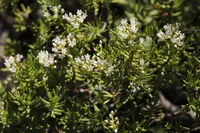
The plant produces compact clusters of small, star-shaped white flowers that attract local pollinating insects, a key feature that distinguishes it from some other, more showy Crassula species.

FAQs about grassland red crassula

This species generally performs best outdoors in bright, open, low-rainfall conditions, especially in rock gardens or containers. Indoors it can grow, but needs strong light, excellent drainage, and careful watering to prevent weak growth and rot.

Grow Healthy Plants with Botan Care

Keep your plants happy and healthy with plant identification, disease detection, and easy care guidance.

Botan plant care app — identify plants on mobile

Explore More Plants