Crassula sarcocaulis subsp. rupicola Care

Crassula sarcocaulis subsp. rupicola

About Crassula sarcocaulis subsp. rupicola

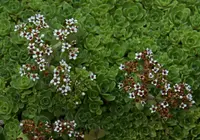
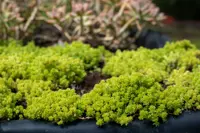
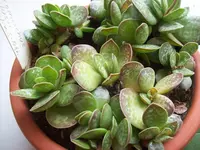
Crassula sarcocaulis subsp. rupicola is a small, shrubby succulent known for its woody stems and clusters of fleshy, narrow leaves. It stays compact and often develops a bonsai-like outline with age.

This subspecies is native to rocky slopes in southern Africa, where it experiences intense sun, sharp drainage, and periods of drought. These origins explain its toughness and low water needs.

Crassula sarcocaulis subsp. rupicola suits growers who prefer a resilient plant that tolerates occasional neglect, as long as it has strong light and freely draining soil. Learning how to care for Crassula sarcocaulis subsp. rupicola mainly means avoiding overwatering and heavy, dense substrates.

Main Plant Requirements

Care Difficulty

Easy Care

Light Preference

Full Sun

Water Requirements

Low Water

Temperature Preference

Warm Climate

Hardiness Zone

9–11

Soil Texture

Sandy, Loamy, Rocky

Soil pH

Slightly acidic (6.5–7.0), Slightly alkaline (7.0–7.5)

Soil Drainage

Well-drained

Fertilization

Minimal (feed rarely)

Get Personalized Care Plan

Scan your plant to receive care tips personalized for your specific plant

Available on iOS and Android

How to Care for the Crassula sarcocaulis subsp. rupicola

This compact succulent shrub thrives with bright light and some direct sun for dense growth.

  • Provide 4–6 hours of direct morning or late-afternoon sun, plus bright indirect light for the rest of the day.
  • Crassula sarcocaulis subsp. rupicola tolerates light midday sun outdoors, but prolonged harsh afternoon sun can scorch leaves, causing brown, dry patches.
  • In hotter summers, offer light shade during the strongest sun; in winter, maximize sun exposure to prevent stretching and pale, elongated stems.

This plant prefers deep but infrequent watering that allows the soil to dry between soakings.

  • Water only when the top 3–5 cm of soil are completely dry; leaves should feel firm, not soft or wrinkled.
  • Use sharply draining, gritty soil; standing water or constantly wet roots quickly leads to root rot and yellowing, mushy leaves.
  • In spring and summer, expect more frequent watering; in fall and winter, reduce greatly, especially for outdoor plants in cool, damp conditions.

This hardy succulent handles a wide temperature range but is vulnerable to prolonged hard frost.

  • Ideal growing temperatures are 65–80°F (18–27°C), with cooler nights helping maintain compact growth.
  • The plant can tolerate brief drops to around 25–30°F (-4– -1°C) if kept dry, but repeated freezes damage stems and leaf tips.
  • In hot periods above 90°F (32°C), provide some shade and extra airflow, avoiding heat-reflective surfaces that can scorch foliage.

This species tolerates a wide humidity range and does not need special humidity management indoors or outdoors.

This subspecies requires a fast-draining, mineral-rich substrate to prevent root problems.

  • Use a gritty mix such as 50–60% inorganic material (pumice, coarse sand, or fine gravel) blended with 40–50% cactus potting mix.
  • Aim for a slightly acidic to slightly alkaline pH around 6.0–7.5, which suits most tap-water conditions.
  • Ensure the mix feels loose and crumbly, not compact, so air can move freely around the roots and water drains in seconds, not minutes.
  • Avoid heavy garden soil, peat-heavy mixes that stay wet, or containers where water pools at the bottom, as these encourage rot.

This compact succulent is very suitable for container growing in patios, balconies, and rock-garden planters.

  • Choose a low, wide pot that matches the shallow, spreading root system and keeps the plant stable against wind or accidental knocks.
  • Select unglazed terracotta when possible, as it allows moisture to evaporate faster and helps prevent prolonged root wetness.
  • Raise the container slightly on feet or bricks so drainage holes never sit directly in collected water on trays or hard surfaces.

This succulent benefits from light feeding but tolerates lean conditions.

  • Use a balanced liquid NPK fertilizer for succulents diluted to 25–50% strength.
  • Feed every 4–6 weeks during active growth in spring and summer only.
  • Skip or greatly reduce feeding in fall and winter when growth slows.
  • Avoid compost-rich or high-nitrogen products, which can cause weak, overly lush growth.

Thoughtful pruning keeps Crassula sarcocaulis subsp. rupicola compact and branching well.

  • Plan main pruning for late winter or early spring before strong new growth starts.
  • Remove dead, damaged, or crossing stems with clean, sharp scissors or pruners.
  • Shorten leggy shoots by 1/3 to encourage denser branching and a neater outline.
  • Lightly tip-prune after flowering if needed to maintain size and shape.

This plant prefers snug conditions and only needs occasional repotting or transplanting.

  • Check for roots circling the pot, growing from drainage holes, or slowed growth as repotting signals.
  • Carry out repotting in spring every 2–3 years, stepping up only 1 pot size with free-draining succulent mix.
  • Water lightly a day before and after moving to reduce root stress and help soil settle.
  • Keep the plant shaded and slightly drier for 7–10 days after repotting to allow minor root damage to heal.

Crassula sarcocaulis subsp. rupicola is commonly propagated from stem cuttings.

  • Take 5–8 cm non-flowering stem cuttings in late spring or summer.
  • Allow cut ends to dry and callus for 1–2 days before planting to reduce rot risk.
  • Insert cuttings into a gritty, barely moist succulent mix and provide bright, indirect light.
  • Maintain warmth around 68–75°F and minimal watering until roots form in 2–4 weeks.

This shrubby succulent has moderate cold tolerance but benefits from basic winter precautions.

  • Tolerates light frost but prolonged freezing below about 25°F can damage stems and roots.
  • In the ground, apply a light gravel or coarse sand mulch to improve drainage around the crown.
  • For containers, move plants under cover or indoors to a bright, cool, frost-free spot.
  • Reduce watering significantly in winter to keep the root zone almost dry and minimize rot risk.

Care Tips

Encourage Compact Form

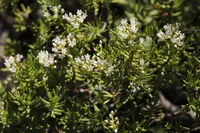
Rotate the pot 90° every 1–2 weeks and lightly pinch back only the softest new tips in spring to keep the plant dense, balanced, and less likely to flop as it gains woody growth.

Seasonal Light Hardening

If moving the plant outdoors for summer, introduce it to direct sun over 10–14 days by starting in bright shade and gradually increasing direct exposure to prevent leaf scorch and stem stress.

Stabilize Woody Stems

As stems become woody and top-heavy, top-dress the pot with a 1–2 cm layer of coarse gravel and gently press it around the base of the plant to anchor roots and reduce the risk of the plant leaning or uprooting.

Targeted Pest Monitoring

Inspect the junctions between leaves and stems and along the lower woody sections every 2–3 weeks for mealybugs or scale, and remove early infestations with a cotton swab dipped in 70% isopropyl alcohol before they spread.

Winter Rest Management

In cooler months, give the plant the brightest possible spot and avoid repotting or heavy feeding so it can maintain a compact form and store energy, which supports healthier growth when days lengthen and helps with growing Crassula sarcocaulis subsp. rupicola over many years.

Common Pests and Diseases

Mealybugs

This pest feeds on sap and hides in stem joints, bark crevices, and between clustered leaves, often leaving white cottony masses. Symptoms include sticky honeydew, sooty mold growth on surfaces, and slowed or distorted new growth.

Solution

Isolate the plant, then dab visible insects with cotton swabs dipped in 70% isopropyl alcohol and gently scrub crevices. For larger infestations, rinse the plant thoroughly with a strong but controlled stream of water, then apply a ready-to-use insecticidal soap or neem oil spray every 7–10 days until no new mealybugs appear.

Scale insects

These insects attach firmly to woody stems and older leaves, appearing as small, brown or gray bumps that do not move. Symptoms include yellowing leaves, reduced vigor, and sticky honeydew that can attract ants.

Solution

Scrape or rub off individual scales with a fingernail or soft brush, then wipe stems with a cloth lightly moistened with 70% isopropyl alcohol. For persistent problems, use a systemic insecticide labeled for ornamental succulents or repeat applications of horticultural oil, making sure to thoroughly coat stems and leaf bases.

Aphids

These insects cluster on tender shoot tips and flower stalks, sucking sap and causing curling or distortion of new growth. Symptoms include sticky honeydew, possible sooty mold on nearby surfaces, and stunted shoots.

Solution

First dislodge colonies by spraying the plant with a firm stream of water, focusing on growing tips and undersides of leaves. Follow up with insecticidal soap or dilute neem oil applied in the early morning or evening, repeating every 5–7 days until no new aphids are seen.

Edema

This disorder occurs when roots absorb water faster than leaves can transpire it, especially in cool, low-light conditions. Symptoms include small corky, blister-like bumps on leaves and sometimes slight leaf deformation.

Solution

Reduce watering frequency, let the soil dry more thoroughly between waterings, and provide brighter light with good air movement. Avoid sudden shifts from very dry to very wet soil and keep the plant in a container with fast-draining succulent mix to support stable moisture levels while growing Crassula sarcocaulis subsp. rupicola.

Leaf spot

This disease usually develops in plants kept too damp or crowded with poor air circulation. Symptoms include small, dark, sunken spots on leaves that may enlarge and cause localized tissue collapse or premature leaf drop.

Solution

Remove and discard affected leaves, then improve airflow and reduce overhead watering so foliage does not stay wet. If spotting spreads, apply a copper-based or sulfur-based fungicide labeled for ornamental succulents, following label directions and treating both upper and lower leaf surfaces.

Interesting Facts

Natural rock crevice specialist

This subspecies is naturally found rooted in narrow rock crevices and cliff faces, where its woody base and fibrous roots anchor it securely against wind and shifting debris.

Miniature shrubby growth

Unlike many crassulas that stay strictly stem-succulent, it develops a distinctly shrubby, almost bonsai-like woody framework with many short, branching stems densely covered in small leaves.

Cold-tolerant succulent shrub

Compared with many South African succulents, it shows relatively high cold tolerance and can survive brief light frosts in habitat thanks to its woody structure and compact growth.

FAQs about Crassula sarcocaulis subsp. rupicola

Flowering is reduced by insufficient light, heavy feeding, or frequent repotting. Provide strong light, a slight temperature drop between day and night, and a lean, well-drained mix. Allow a short dry rest before its normal blooming season.

Grow Healthy Plants with Botan Care

Keep your plants happy and healthy with plant identification, disease detection, and easy care guidance.

Botan plant care app — identify plants on mobile

Explore More Plants