Winter moisture check
During winter dormancy, gently squeeze the potting mix between two fingers every 3–4 weeks and only water if it feels completely dusty and loose, which prevents hidden root rot in a rosette that looks healthy above the soil.

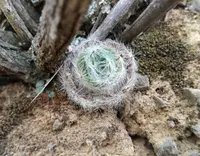
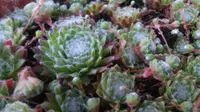
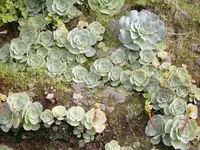
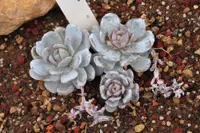
Crassula barbata, commonly called bearded-leaved crassula, is a small succulent from South Africa. It forms tight rosettes of fleshy leaves covered with fine, beard-like hairs. The plant stays compact and low, making it suitable for windowsills, small containers, and mixed succulent displays. In maturity, it can send up a short flower stalk with small, starry blooms. This species prefers bright light, good air flow, and gritty, sharply draining soil. Its slow growth and sensitivity to excess moisture make it slightly more demanding than common jade plants. With attention to watering and strong light, it is straightforward to care for bearded-leaved crassula for indoor growers.

Care Difficulty
Moderate Care

Light Preference
Full Sun

Water Requirements
Low Water

Temperature Preference
Tropical / Frost Sensitive

Hardiness Zone
10–11

Soil Texture
Sandy, Loamy, Rocky

Soil pH
Slightly acidic (6.5–7.0), Neutral (7.0)

Soil Drainage
Well-drained

Fertilization
Minimal (feed rarely)
Scan your plant to receive care tips personalized for your specific plant
Available on iOS and Android
This compact South African succulent prefers bright, gentle sun with some protection from intense midday rays.
This drought-adapted succulent needs infrequent, deep watering and fast-draining soil.
This species prefers moderate warmth and stays healthiest when protected from frost and extreme heat.
This species handles typical indoor humidity but prefers slightly dry air.
Use a very fast-draining, gritty mix to prevent root and stem rot in Crassula barbata.
This compact succulent is very suitable for container growing.
This compact succulent benefits from light feeding during active growth but tolerates lean soil well.
Crassula barbata needs minimal pruning, mainly to keep rosettes clean and healthy.
This species grows slowly and prefers to stay slightly root-bound in small, shallow containers.
This plant is most often propagated from seed, with some growers also using offsets when available.
This succulent dislikes prolonged freezing and benefits from sheltered winter conditions in most climates.

Plant Health Check
Not sure what's wrong with your plant? Check your plant's health inside the app.
The dense white hairs on the leaf edges form a beard-like ring around the rosette, which helps reduce water loss and shields the leaf surface from intense sunlight in its native South African habitat.
Individual rosettes of this monocarpic succulent usually flower once and then die, but the plant persists over time because it produces new offsets around the base before the main rosette withers.
In the wild, this species typically grows in shallow soil pockets on rocky slopes and outcrops, where good drainage and high light limit competition from less drought-tolerant plants.
This species usually blooms in late winter to spring, producing a tall central stalk with small white to pinkish star-shaped flowers. The rosette often declines after flowering, as the plant is typically monocarpic, meaning it flowers once then dies.
Keep your plants happy and healthy with plant identification, disease detection, and easy care guidance.