Cape Stonecrop Care (Crassula capensis)

Also known as: Cape Snowdrop
Cape Stonecrop

About Cape Stonecrop

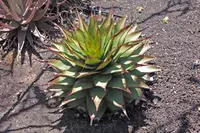
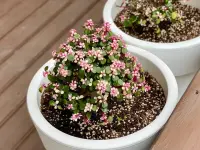
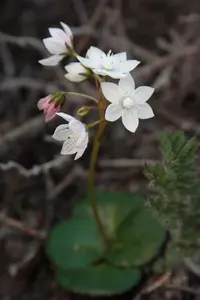
Cape stonecrop, Crassula capensis, is a small, clumping succulent from South Africa’s winter-rainfall regions. It typically forms low mats or loose cushions of fleshy, smooth leaves. Short flowering stems carry small, starry flowers, adding seasonal interest without making the plant much taller. Its compact size and restrained growth habit make it suitable for containers, rock gardens, and bright indoor spots. This species is generally forgiving as long as excess moisture is avoided and the soil drains well. Bright light, moderate watering, and gritty soil are key points to remember when learning how to care for Cape Stonecrop.

Main Plant Requirements

Care Difficulty

Moderate Care

Light Preference

Partial Sun

Water Requirements

Low Water

Temperature Preference

Tropical / Frost Sensitive

Hardiness Zone

10–11

Soil Texture

Sandy, Loamy, Rocky

Soil pH

Slightly acidic (6.5–7.0), Neutral (7.0)

Soil Drainage

Well-drained

Fertilization

Minimal (feed rarely)

Get Personalized Care Plan

Scan your plant to receive care tips personalized for your specific plant

Available on iOS and Android

How to Care for the Cape Stonecrop

This small South African succulent prefers bright, soft light that mimics its native coastal habitats.

  • Provide 4–6 hours of bright light daily, with morning sun and light afternoon shade; east or southeast exposure suits Cape Stonecrop well.
  • Outdoors, protect from harsh midday sun to avoid leaf scorch and red or brown patches, especially during hot summers.
  • In partial shade, ensure at least 2–3 hours of direct or very bright filtered light, and rotate plants seasonally so all sides receive light.

This species prefers infrequent, thorough watering that allows the soil to dry between soakings.

  • Water only when the top 2–4 cm of soil feels completely dry, then soak deeply so water drains freely from the root zone.
  • Reduce watering sharply in cool seasons; wrinkling leaves suggest mild underwatering, while soft, translucent, or yellowing leaves point to excess moisture.
  • Use fast-draining, gritty soil and avoid letting water pool around roots, as Crassula capensis is prone to root rot in persistently wet conditions.

This plant performs best in mild, frost-free conditions typical of Mediterranean or coastal climates.

  • Aim for active growth temperatures around 65–80°F (18–27°C), with slightly cooler nights improving color and compact growth.
  • Protect from frost; brief dips to 32°F (0°C) may damage leaves, and prolonged exposure below 30°F (-1°C) can kill tissue and roots.
  • In hot spells above 90°F (32°C), give light shade, increase airflow, and avoid dark surfaces that overheat the root zone.

This succulent handles a wide humidity range and usually thrives in typical indoor air.

  • Aim for 30–50% humidity; avoid persistently above 70%, which encourages rot around the roots and stem base.
  • Cape Stonecrop tolerates dry, heated-room air but may show red-tinted, dull leaves under very dry, hot conditions.
  • If air is extremely dry, place the pot on a pebble tray with water below the pot base rather than misting the foliage.

Use a sharply draining, mineral-rich mix that prevents waterlogging around the roots.

  • Choose a sandy or gritty mix, such as 50–70% inorganic material (pumice, perlite, coarse sand, or fine gravel) blended with 30–50% lean potting soil or coco coir.
  • Ensure extremely fast drainage; water should run through the pot in seconds and the mix should dry within a few days, reducing root-rot risk.
  • Keep pH slightly acidic to neutral, around 6.0–7.0, since strongly alkaline substrates can limit nutrient availability for Crassula capensis.
  • Avoid fine, peaty, or clay-heavy mixes that stay wet, and lighten dense commercial potting mixes by adding extra pumice or perlite for aeration.

This species is well suited to container growing, including small patio pots and shallow dishes.

  • Select a wide, shallow pot to match its low, spreading habit and prevent overly deep, moisture-retentive soil beneath the roots.
  • Choose unglazed terracotta if extra evaporation is needed, or glazed ceramic where hot, dry conditions already speed up drying.
  • Use a container that is heavy or broad-based enough to resist tipping, especially when the top growth becomes uneven or leans toward the light.

This small succulent from South Africa benefits from light feeding but grows acceptably with minimal fertilizer.

  • Use a balanced liquid fertilizer (around 10-10-10 or 20-20-20) diluted to 25–50% strength for Cape Stonecrop in active growth.
  • Feed every 4–6 weeks in spring and summer only, on already moist soil to limit root burn risk.
  • Skip or greatly reduce feeding in fall and winter when growth slows, especially indoors.
  • Avoid rich compost or slow-release pellets that keep soil wet; prioritize a lean, free-draining mix.

Crassula capensis responds well to light, targeted pruning to keep plants compact and healthy.

  • Best time for pruning is late winter to early spring, just before new growth starts.
  • Remove dead, shriveled, or damaged stems and any soft, rotting tissue with clean, sharp scissors or snips.
  • Thin out crowded, crossing shoots to improve air flow and light penetration into the plant center.
  • Pinch or trim stem tips to encourage branching and a denser, more cushion-like shape.

This compact succulent prefers slightly tight pots and only occasional repotting or transplanting.

  • Plan to repot every 2–3 years, or when roots circle the pot base or growth becomes noticeably slower.
  • Carry out repotting in spring, when Crassula capensis resumes active growth and recovers faster from disturbance.
  • Choose a shallow container with drainage and a gritty cactus or succulent mix to prevent waterlogging.
  • Gently loosen the root ball, remove old soggy soil, and avoid heavy watering for 3–5 days afterward to limit stress.

This species is commonly propagated vegetatively and from seed when stock plants are healthy.

  • Stem or leaf cuttings taken in spring or early summer root well under bright, indirect light.
  • Allow cut surfaces to callus for 1–3 days, then place in barely moist, gritty succulent mix.
  • Keep temperatures around 65–75°F with low to moderate humidity to reduce rot and encourage rooting.
  • Seeds can be sown on the surface of well-draining mix, kept lightly moist and warm until germination.

Crassula capensis is not reliably frost hardy and benefits from simple winter protection in cold climates.

  • For outdoor containers, move plants indoors before temperatures drop near 32°F, placing them in bright light.
  • In-ground plants in mild climates can be sheltered under a cold frame or against a south-facing wall.
  • Keep winter soil on the dry side, watering sparingly so roots do not sit in cold, wet conditions.

Care Tips

Encourage Compact Growth

Rotate the pot 90° every 1–2 weeks so all sides receive similar light, which keeps stems short, balanced, and prevents the plant from leaning or becoming leggy.

Strategic Pinch Back

Pinch or snip soft stem tips in early spring to promote branching and denser foliage, but limit this to 20–30% of the plant at a time to avoid stress.

Prevent Stem Rot

When a stem base looks shriveled or dark, cut it back to firm, healthy tissue, let the cut end callus for 1–2 days, then replant in fresh, dry mix to restore a healthy clump.

Timed Repotting

Repot only when roots circle the pot or the plant lifts itself up in the container, ideally in late spring, stepping up just 2–3 cm in pot diameter to avoid excess, stay-wet soil.

Easy Propagation Backup

Take a few healthy stem cuttings at the start of the growing season and root them in a separate pot so you always have a backup plant in case of accidental damage when caring for Cape Stonecrop.

Common Pests and Diseases

Mealybugs

This pest appears as small white, cottony clusters in leaf joints and along stems, often accompanied by sticky honeydew and sooty mold growth. Symptoms include slowed growth, leaf yellowing, and distorted new shoots.

Solution

Remove heavily infested parts if practical, then dab visible insects with cotton swabs dipped in 70% isopropyl alcohol and gently wipe leaf surfaces. Improve light and air movement, isolate the plant, and repeat alcohol or insecticidal soap treatments every 7–10 days until no new insects appear.

Soft scale

These insects form flat or slightly domed brown to tan bumps on stems and older leaves, often producing sticky honeydew that attracts ants. Symptoms include dull, stressed foliage and reduced growth on mature plants.

Solution

Gently scrape or rub off scales with a soft cloth or cotton pad moistened with 70% isopropyl alcohol, then rinse the plant with lukewarm water. For remaining juveniles, apply insecticidal soap or a light horticultural oil, ensuring full coverage of stems and leaf undersides, and repeat after 7–10 days.

Aphids

These insects cluster on soft new growth and flower stalks, sucking sap and causing curling, distortion, and sticky honeydew on nearby leaves. This pest tends to flare up on plants kept too soft in low light or with excess nitrogen fertilizer.

Solution

Rinse the plant thoroughly with a firm but gentle stream of water to dislodge colonies, then follow with an application of insecticidal soap targeting new growth and leaf undersides. Improve light levels and avoid overfertilizing to make the plant less attractive to repeat infestations when trying to grow Crassula capensis.

Edema

This physiological disorder causes small corky, blister-like spots on leaves when roots take up water faster than the foliage can transpire it. Symptoms include rough, scabby patches on older leaves, especially after sudden shifts from cool, wet conditions to bright light.

Solution

Reduce watering frequency, allowing the potting mix to dry more between waterings, and avoid sudden changes from low to high light. Increase air movement, keep humidity moderate, and use a fast-draining succulent mix so excess water does not stay around the roots for long periods.

Stem rot

This disease starts as soft, dark, water-soaked areas at the base of stems where excess moisture and poor aeration favor fungal or oomycete pathogens. Symptoms include sudden stem collapse, a foul odor, and easy separation of affected tissue from healthy parts.

Solution

Immediately cut away and discard all mushy tissue, keeping only firm, healthy segments that can be re-rooted in fresh, sterile, fast-draining succulent mix. Adjust watering to light, infrequent applications, ensure a pot with large drainage holes, and provide bright light and good airflow so the surface dries quickly between waterings.

Interesting Facts

Geophyte growth strategy

This species is a small geophyte, meaning it survives seasonal stress by retreating into an underground storage organ and resprouting when conditions improve, an adaptation to its winter-rainfall habitat in the Western Cape of South Africa.

Mauve tubular flowers

It produces unusual for a Crassula genus, tubular, mauve to purple flowers on slender stems, which often appear in loose clusters and can attract small pollinating insects in its native fynbos and rocky slopes.

Steep cliff specialist

In nature it often grows on sandstone cliffs, rocky ledges, and crevices where thin soils and rapid drainage favor its succulent, water-storing tissues over less drought-adapted plants.

FAQs about Cape Stonecrop

Lack of bloom usually comes from insufficient light, excessive nitrogen fertilizer, or the plant being too young. Provide bright conditions, avoid heavy feeding, and allow a cool, drier rest period to encourage flower bud formation.

Grow Healthy Plants with Botan Care

Keep your plants happy and healthy with plant identification, disease detection, and easy care guidance.

Botan plant care app — identify plants on mobile

Explore More Plants