Frill Stonecrop Care (Crassula ciliata)

Frill Stonecrop

About Frill Stonecrop

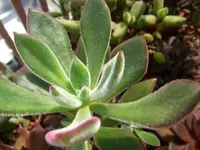
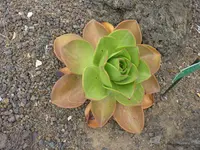
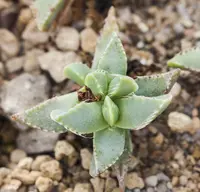
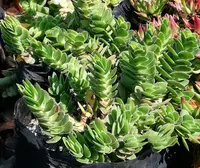
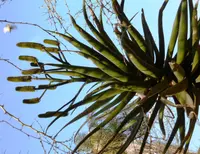
Frill stonecrop (Crassula ciliata) is a small succulent from South Africa, valued for its sculptural, tightly stacked leaves with frilled or toothed edges. Plants form compact clumps or low mounds, and the foliage often takes on red or bronze tones in strong light, giving it a distinctive, architectural look.

In nature it grows in rocky, well-drained habitats with bright light and low to moderate rainfall. Its drought tolerance and slow growth make it suitable for windowsills and small indoor collections.

For those learning how to care for Frill Stonecrop, its main needs are bright light, very free-draining gritty soil, and careful watering that allows the root zone to dry between waterings.

Main Plant Requirements

Care Difficulty

Easy Care

Light Preference

Partial Sun

Water Requirements

Low Water

Temperature Preference

Tropical / Frost Sensitive

Hardiness Zone

10–11

Soil Texture

Sandy, Loamy, Rocky

Soil pH

Slightly acidic (6.5–7.0), Neutral (7.0)

Soil Drainage

Well-drained

Fertilization

Minimal (feed rarely)

Get Personalized Care Plan

Scan your plant to receive care tips personalized for your specific plant

Available on iOS and Android

How to Care for the Frill Stonecrop

Crassula ciliata prefers bright, dry conditions that mimic its sunny native habitats.

  • Provide 4–6 hours of direct morning sun with bright, filtered light or light shade in hotter afternoon periods to prevent leaf scorch.
  • Plant in an open, unshaded spot outdoors where possible; Frill Stonecrop tolerates light partial shade but becomes leggy and dull if light drops below about 3–4 hours of sun.
  • In summer, introduce more intense sun gradually over 7–10 days; in winter, ensure it is not shaded by taller plants or structures to maintain compact growth.

Crassula ciliata stores moisture in its leaves and needs infrequent, careful watering.

  • Water only when the top 3–5 cm of soil are completely dry; in warm growing seasons this may mean watering every 7–14 days, less often in cool weather.
  • Use sharply draining, gritty soil and ensure excess water runs off quickly to reduce risk of root rot, yellowing leaves, and mushy stems from overwatering.
  • Watch the foliage: soft, translucent or dropping leaves suggest excess water, while wrinkled, slightly shriveled leaves indicate it is time to water again.

This succulent grows best in warm, dry conditions with protection from frost and extreme heat.

  • Aim for 65–80°F (18–27°C) during active growth; short peaks up to about 90°F (32°C) are usually tolerated if soil is dry and airflow is good.
  • Avoid frost; prolonged exposure below 32°F (0°C) can kill tissues, so provide cover or move containers before night temperatures drop near freezing.
  • In cooler months, a cooler rest at 50–60°F (10–16°C) is acceptable if kept dry, but growth slows and watering must be reduced accordingly.

This succulent handles typical indoor humidity and prefers fairly dry air around 30–50%.

  • Frill Stonecrop tolerates very dry rooms, so do not add extra humidity unless air is extremely arid below 20%.
  • Watch for soft, swollen leaves or blackened stem bases as signs of excess humidity combined with poor air movement.
  • Increase air circulation with a small fan and space between pots instead of misting, which only raises surface moisture and rot risk.

This species needs a very fast-draining, mineral, cactus-type mix to prevent root and stem rot.

  • Use a gritty blend such as 30% cactus mix, 40% pumice or perlite, and 30% coarse sand or small gravel for Crassula ciliata.
  • Aim for slightly acidic to neutral pH around 6.0–7.0, avoiding heavily limed or salty substrates.
  • Ensure the mix is loose and airy; larger mineral particles keep air spaces open and reduce water retention around fine roots.
  • Avoid dense peat, clay-heavy garden soil, or mixes rich in water-holding fibers that stay wet longer than 2–3 days.

This species is well suited to container growing due to its compact, shallow root system.

  • Choose a wide, shallow pot that matches its spreading habit, which keeps the root zone evenly aerated without deep, wet pockets.
  • Use unglazed terracotta if extra evaporation is needed in humid or cool climates to reduce the risk of prolonged moisture around the roots.
  • Elevate the pot slightly on pot feet or mesh to improve drainage away from the base and prevent water from pooling under the container.

This compact succulent benefits from light feeding but tolerates lean conditions.

  • Use a balanced liquid fertilizer (around 10-10-10 or 20-20-20) diluted to 25–50% strength for Frill Stonecrop.
  • Feed every 4–6 weeks in spring and summer when growth is active.
  • Avoid organic composts that stay wet; use low-salt, synthetic or cactus-formula products instead.
  • Stop feeding in fall and winter, when growth slows, to reduce risk of soft, weak tissue.

Pruning Crassula ciliata is mainly done to maintain shape and remove weak growth.

  • Best time is late winter to early spring, before strong new growth starts.
  • Use clean, sharp scissors or small pruning shears to cut just above a node.
  • Remove dead, damaged, or overly elongated stems to keep the plant compact and well-branched.
  • Pinch soft tips sparingly during the growing season to encourage denser foliage.

This succulent prefers slightly tight quarters and infrequent repotting.

  • Check for roots circling the pot, emerging from drainage holes, or noticeably slowed growth as signs to move up.
  • Repot every 2–3 years in late winter or early spring, just before active growth resumes.
  • Choose a shallow pot with drainage and a gritty cactus mix to limit water retention and root rot risk.
  • Loosen circling roots gently, remove old soil, and keep the plant slightly dry for 3–5 days after repotting to reduce stress.

Crassula ciliata is commonly propagated from stem cuttings and sometimes from leaves.

  • Take firm, non-flowering stem cuttings in late spring or early summer.
  • Allow cut surfaces to dry and callus for 1–3 days to reduce rot, then place in a gritty, barely moist cactus mix.
  • Provide bright, indirect light and warm temperatures around 70–80°F for rooting.
  • Seeds can be sown on the surface of well-draining mix, kept slightly moist and warm for slow germination.

This species is not frost hardy and needs protection in cold climates.

  • Keep indoor plants in bright light at 55–65°F during winter, away from cold drafts and icy windows.
  • Move outdoor container plants indoors before temperatures drop below 40°F.
  • Water sparingly, letting the soil dry more between waterings to match slower winter growth.
  • In mild climates, use a gritty, raised bed or pot to keep roots drier during cool, wet periods.

Care Tips

Rotate For Symmetry

Turn the pot 90° every 2–3 weeks so the rosette stacks develop evenly and the stems do not lean or twist strongly toward the light source.

Encourage Compact Growth

Provide slightly cooler nights (55–60°F) and avoid any low-level shade from nearby pots or decor, which helps keep internodes short and maintains the plant’s tight, frilled form.

Strategic Propagation Cuts

When a stem becomes overly tall or bare, cut it just above a pair of healthy leaves, let the cutting callus, then re-root it to refresh the planting and keep the overall clump dense.

Prevent Bottom Rot

Use a top-dressing of coarse gravel around the stem base so that water drains quickly away from the crown, which reduces the risk of rot where old lower leaves once attached.

Summer Stress Coloring

If the plant is well established and healthy, give it a slight increase in direct sun and a modest reduction in water in late spring to enhance red or bronze tones, a technique often used when caring for Frill Stonecrop in collections.

Common Pests and Diseases

Mealybugs

This pest feeds on succulent leaves and stems, often hiding in leaf crevices and along the lower stem where the plant branches. Symptoms include white cottony clusters, sticky honeydew, and slowed or distorted growth.

Solution

Isolate the plant, then dab visible insects with cotton swabs dipped in 70% isopropyl alcohol and gently wipe leaf joints and stems. Repeat weekly until no new clusters appear, and improve light and airflow to reduce reinfestation as part of Crassula ciliata plant care.

Soft scale

These insects attach along stems and leaf bases, appearing as small, smooth, tan to brown bumps. Symptoms include sticky honeydew, sooty mold on leaf surfaces, and gradual yellowing or leaf drop.

Solution

Scrape or pinch off individual scales with a fingernail or soft brush, then wipe stems with a cloth slightly moistened with diluted alcohol or insecticidal soap. Inspect regularly for new juveniles and prune heavily infested shoots if needed to prevent spread to nearby succulents.

Aphids

These insects cluster on new growth and flower stalks, sucking plant sap and weakening the plant. Symptoms include curled young leaves, sticky honeydew, and sometimes the presence of ants farming the aphids.

Solution

Rinse the plant under a gentle but thorough stream of water to dislodge colonies, protecting the soil from excess saturation. Follow with targeted applications of insecticidal soap to growing tips every 5–7 days until new growth appears clean.

Edema

This disorder occurs when roots take up water faster than leaves can transpire, which is common in succulents grown in cool, damp conditions. Symptoms include corky, raised, or blister-like spots on leaves, often on the underside first.

Solution

Allow the soil to dry more deeply between waterings, reduce watering volume, and ensure the potting mix drains very quickly. Provide brighter light and avoid sudden shifts from very dry to very wet soil to keep leaf cells from bursting.

Powdery mildew

This disease can develop on crowded or poorly ventilated plants, especially when nights are cool and humidity is elevated. Symptoms include a white, powdery film on leaf surfaces and sometimes mild distortion or yellowing.

Solution

Improve air circulation around the plant, avoid wetting the leaves when watering, and space plants so they do not touch. Remove the worst-affected leaves and apply a sulfur-based or potassium bicarbonate fungicide labeled for ornamentals, keeping the plant in brighter, drier conditions afterward.

Interesting Facts

Fringed leaf margins

This species has distinctive ciliata, or finely fringed, leaf edges formed by tiny hair-like outgrowths, which inspired its species name. These marginal hairs can trap small droplets of moisture and may slightly reduce water loss along the leaf edge in its dry native habitat.

Stacked rosette form

Crassula ciliata typically forms tightly stacked, triangular leaves in a spiral, creating a compact geometric rosette. This arrangement maximizes light capture while shading lower leaves and the stem, an efficient growth form for strong sun in its South African range.

South African endemic

The species is native to arid regions of South Africa, mainly the Western and Eastern Cape provinces. Its natural habitats include rocky slopes and well-drained, gritty soils where it experiences strong light, low rainfall, and large day–night temperature swings.

FAQs about Frill Stonecrop

Brown, crispy leaf edges usually result from intense sun exposure, underwatering, or sudden temperature swings. Check soil moisture, move the plant away from harsh midday sun, and avoid abrupt drafts or heat sources to stabilize conditions.

Grow Healthy Plants with Botan Care

Keep your plants happy and healthy with plant identification, disease detection, and easy care guidance.

Botan plant care app — identify plants on mobile

Explore More Plants