Red crassula Care (Crassula coccinea)

Also known as: Rochea, Red Stonecrop
Red crassula

About Red crassula

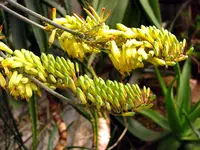
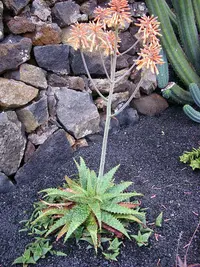
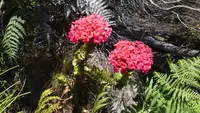
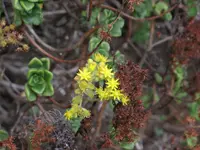
Red crassula (Crassula coccinea) is a compact, shrubby succulent native to the rocky slopes of South Africa. It forms upright, leafy stems topped with showy clusters of bright red, tubular flowers. Leaves are thick, glossy, and arranged in opposite pairs, storing water and helping the plant tolerate short dry periods. This growth habit makes it suitable for small pots, sunny windowsills, and well-drained outdoor containers in mild climates. It prefers bright light, low to moderate watering, and gritty, free-draining soil. With proper conditions, it is a rewarding choice for those learning how to care for Red crassula.

Main Plant Requirements

Care Difficulty

Moderate Care

Light Preference

Full Sun

Water Requirements

Low Water

Temperature Preference

Tropical / Frost Sensitive

Hardiness Zone

10–11

Soil Texture

Sandy, Loamy, Rocky

Soil pH

Slightly acidic (6.5–7.0), Neutral (7.0)

Soil Drainage

Well-drained

Fertilization

Light (every 4–6 weeks)

Get Personalized Care Plan

Scan your plant to receive care tips personalized for your specific plant

Available on iOS and Android

How to Care for the Red crassula

This succulent shrub needs bright light with some protection from harsh midday sun to maintain compact, colorful growth.

  • Provide 4–6 hours of direct morning sun plus bright, filtered light for the rest of the day; east or southeast exposure suits Red crassula well.
  • Tolerates light afternoon sun in mild climates, but in hot, dry regions give shade or dappled light from about 12–3 pm to prevent leaf scorch.
  • If stems stretch, leaves pale, or red color fades, light is too low; move to a brighter position, especially in winter when sun is weaker.

Crassula coccinea prefers infrequent, thorough watering and fast-draining soil to avoid root problems.

  • Water only when the top 2–4 cm of soil are completely dry; use a finger test rather than a fixed schedule to guide timing.
  • In spring and summer, expect more frequent watering; in fall and winter, reduce frequency sharply, especially in cool conditions, to prevent rot.
  • Choose gritty, sharply draining soil; watch for yellowing, mushy leaves as a sign of overwatering, and wrinkling or limp, flat leaves as a sign of underwatering.

This species thrives in mild, frost-free conditions and reacts poorly to prolonged cold or extreme heat.

  • Aim for 60–75°F (16–24°C) for active growth; short spikes up to about 85°F (29°C) are tolerated if soil is free-draining and airflow is good.
  • Protect from cold below 40°F (4°C); extended exposure around 32°F (0°C) can damage foliage, and hard frost can kill stems and roots.
  • In hot summers, give light shade and avoid baking heat near reflective walls; in cooler months, slightly lower temperatures can encourage sturdier, more compact growth.

This succulent tolerates a wide humidity range and usually does not need special humidity management indoors.

  • Aim for 30–50% humidity, typical of most heated or air-conditioned homes.
  • Dry air is usually tolerated; humidity stress appears as soft, pale, or shriveling leaves combined with underwatering.
  • If air is extremely dry and leaves shrivel despite watering, place the pot near other plants or a shallow pebble tray, avoiding misting.

Crassula coccinea grows best in a sharply drained, gritty mix that prevents water from sitting around the roots.

  • Use a cactus/succulent mix made from 50–60% mineral components such as coarse sand, perlite, and fine gravel, plus 40–50% lean composted material.
  • Soil should feel open and crumbly, with water running through in seconds and no puddling on the surface.
  • Keep pH slightly acidic to neutral, around 6.0–7.0, avoiding very alkaline mixes that can lock up nutrients.
  • Improve aeration and drainage by increasing the fraction of perlite or pumice and avoid heavy clay, peat-heavy, or compacted garden soil in containers.

This species is well suited to container growing when drainage and root space are managed carefully.

  • Choose a pot only 2–4 cm wider than the root ball so the mix dries evenly instead of staying wet at the edges.
  • Select terracotta or other porous materials to let excess moisture escape faster in cool or low-light situations.
  • For taller, top-heavy growth, use a wider, heavier container base to reduce tipping risk in windy or exposed sites.

Crassula coccinea benefits from light feeding during active growth but is sensitive to excess nutrients.

  • Use a balanced liquid fertilizer (around 10-10-10 or 20-20-20) diluted to 25–50% strength for Red crassula in containers.
  • Feed every 4–6 weeks in spring and summer, only on moist soil to avoid root burn.
  • Stop or reduce fertilizing to 1 light feed in autumn and none in midwinter dormancy.
  • Slow-release granules or a thin layer of compost can be used sparingly at the start of the growing season.

Pruning Crassula coccinea is useful to keep a compact, branching shape and to maintain flower quality.

  • Carry out main pruning in late winter or early spring before strong new growth starts.
  • Use clean, sharp scissors or small bypass pruners to remove dead, damaged, or weak stems.
  • Tip back leggy shoots to a leaf node to encourage bushier growth and better flowering.
  • After blooming, trim spent flower stalks to direct energy back into foliage and root reserves.

Container-grown plants benefit from occasional repotting to refresh the soil and maintain root health.

  • Plan to repot Crassula coccinea every 2–3 years, or when roots circle the pot base or emerge from drainage holes.
  • Choose late winter to early spring so the plant can recover as the new growing season starts.
  • Move to a pot only 2–3 cm wider, using a fast-draining succulent mix to limit excess moisture around roots.
  • Water lightly after repotting, keep in bright but filtered light for 7–10 days, and avoid heavy feeding until growth resumes.

New plants are most reliably produced from stem cuttings, with seeds used less often for home growing.

  • Take 5–8 cm non-flowering stem cuttings from healthy Crassula coccinea in spring or early summer.
  • Allow cut ends to dry and callus for 1–2 days to reduce rot risk before planting.
  • Insert cuttings into a gritty, well-draining mix, keeping temperatures near 68–75°F and light bright but indirect.
  • Sow seeds on the surface of a fine succulent mix, maintain slight moisture, and provide warmth and good air circulation.

This species dislikes hard frost and needs protection in regions with cold, wet winters.

  • In climates below about 25–30°F, grow in containers and move plants indoors or into a cool greenhouse for winter.
  • Provide bright light indoors and keep temperatures around 50–60°F with low to moderate watering.
  • Outdoors in mild zones, apply a light, dry mulch around the root zone without burying stems.

Care Tips

Encourage Compact Form

Rotate the pot a quarter turn every 1–2 weeks and lightly pinch back overly long stems after flowering to keep growth dense and avoid a leggy, top-heavy plant.

Post-Flowering Reset

After the main flowering flush, remove spent flower stalks and lightly trim back 1–2 cm of stem to stimulate new side shoots and maintain a tidy cushion of foliage.

Controlled Pot Sizing

Use a slightly snug pot and only upsize by 2–3 cm in diameter when roots circle the drainage holes, which helps concentrate energy into flowering rather than excessive leafy growth when growing Red crassula.

Targeted Pest Monitoring

Inspect tight stem joints and the undersides of leaves every 2–3 weeks with a hand lens, and at the first sign of mealybugs or aphids, isolate the plant and treat with a light horticultural soap spray before infestations become established.

Dry-Side Winter Rest

In winter, give the plant the brightest possible spot and allow the mix to dry a little deeper between waterings to create a mild rest period that improves bud set for the next flowering season.

Common Pests and Diseases

Mealybugs

This pest feeds on leaf and stem sap, often hiding in leaf axils and between crowded stems, leading to stunted growth and sticky honeydew on the plant. Symptoms include white, cottony clumps that are especially visible on the compact flowering shoots.

Solution

Isolate the plant, then dab visible mealybugs with cotton swabs dipped in 70% isopropyl alcohol and rinse the plant gently after treatment. For heavier infestations, use repeated applications of a ready-to-use insecticidal soap or neem oil spray, making sure to reach tight stem joints and the undersides of leaves.

Aphids

These insects cluster on tender new growth and flower stems, sucking sap and causing distorted, curled leaves and deformed flower buds. Symptoms include shiny honeydew on leaves and possible sooty mold growth on this sugary coating.

Solution

Rinse stems and flower spikes under a firm but gentle stream of water to knock off colonies, then treat remaining insects with insecticidal soap, ensuring full coverage of new shoots and buds. Reduce excess nitrogen fertilization, which encourages soft, aphid-prone growth, and monitor regularly during active growing and flowering periods when aphids are most attracted to the plant.

Soft scale

This pest appears as small, rounded or oval bumps on stems and leaf undersides, leading to gradual yellowing and weakened growth from chronic sap loss. Symptoms include sticky honeydew and possible black sooty mold on leaves and nearby surfaces.

Solution

Gently scrape or rub off individual scale insects with a cotton pad or soft brush, then follow with several treatments of horticultural oil or neem oil at 7–10 day intervals to target newly hatched juveniles. Improve light and air movement around the plant to support recovery and make regular inspections of woody and lower stems where scale often starts.

Powdery mildew

This disease causes white or gray powdery patches on leaves and stems, which can dull the plant’s natural color and reduce vigor. Symptoms include distorted new growth and premature leaf drop, especially when airflow is poor around the dense foliage and flower spikes.

Solution

Increase spacing and airflow around the plant, avoid wetting the foliage, and remove heavily affected leaves to reduce spore levels. Treat remaining foliage with a labeled sulfur-based or potassium bicarbonate fungicide, applying in dry weather and repeating as directed until new growth emerges clean.

Leaf spot

This disease produces small, dark, sometimes sunken spots on leaves that may merge, causing localized yellowing and eventual leaf drop on older, lower leaves. Symptoms include spots that are more noticeable on plants grown in humid or poorly ventilated conditions, especially if water frequently sits on the leaves.

Solution

Remove and discard affected leaves, then allow the soil surface and foliage to dry between waterings and improve air circulation around the plant. If spotting continues to spread, apply a copper-based fungicide according to label directions and avoid overhead watering to limit new infections.

Interesting Facts

Fynbos cliff specialist

This species is naturally restricted to rocky sandstone slopes and cliffs in the fynbos of South Africa’s Western and Eastern Cape, often rooting in very shallow crevices where few other shrubs can survive.

Bird-pollinated blooms

The tubular, bright red flowers are adapted for bird pollination, especially by sunbirds, which are attracted to the vivid color and nectar and transfer pollen as they feed.

Fire-prone habitat strategy

In its native fynbos habitat, this shrub often grows in areas that burn periodically; it typically persists by reseeding into newly opened, sunny gaps after fire rather than resprouting from old stems.

Botan icon

Did you know?

Crassula coccinea is the type species of the genus Crassula, meaning it serves as the reference point that defines key characteristics of the entire genus in botanical classification.

FAQs about Red crassula

Lack of flowering is usually linked to insufficient light, overly rich soil, or excessive nitrogen fertilizer. Cool, bright conditions and a short dry rest period before the flowering season often trigger buds and improve bloom quality.

Grow Healthy Plants with Botan Care

Keep your plants happy and healthy with plant identification, disease detection, and easy care guidance.

Botan plant care app — identify plants on mobile

Explore More Plants