Patagonia Mountain leatherpetal Care (Graptopetalum bartramii)

Patagonia Mountain leatherpetal

About Patagonia Mountain leatherpetal

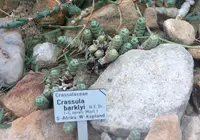
Patagonia Mountain leatherpetal (Graptopetalum bartramii) is a small rosette-forming succulent native to rocky slopes in southern Arizona and northern Mexico. It typically grows in crevices, anchoring itself among stones and gravel.

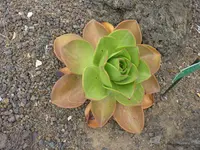
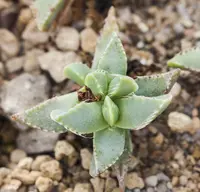
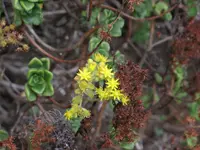
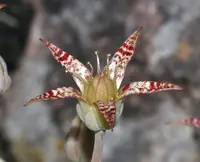
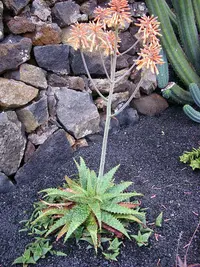
The plant forms tight clusters of fleshy, spoon-shaped leaves, often gray-green with subtle pink or lavender tones, and produces delicate star-shaped flowers on short stems. Its slow, compact growth habit makes it suitable for rock gardens and small containers.

This species prefers bright light, excellent drainage, and dry conditions between waterings, which reflects its desert origin. Understanding these natural conditions helps clarify how to care for Patagonia Mountain leatherpetal in cultivation.

Main Plant Requirements

Care Difficulty

Moderate Care

Light Preference

Full Sun

Water Requirements

Low Water

Temperature Preference

Warm Climate

Hardiness Zone

8–10

Soil Texture

Sandy, Loamy, Rocky

Soil pH

Slightly acidic (6.5–7.0), Neutral (7.0)

Soil Drainage

Well-drained

Fertilization

Minimal (feed rarely)

Get Personalized Care Plan

Scan your plant to receive care tips personalized for your specific plant

Available on iOS and Android

How to Care for the Patagonia Mountain leatherpetal

Graptopetalum bartramii prefers bright, direct light similar to its native rocky habitats.

  • Provide 6–8 hours of direct sun daily, ideally strong morning sun with some light afternoon shade in very hot, low-humidity regions.
  • Plant in an open, unshaded position; in partial shade (3–4 hours direct sun) Patagonia Mountain leatherpetal grows but may stretch and lose compact rosettes.
  • Watch leaf color and form: fading, stretched growth, or flat leaves indicate too little sun; scorched, crispy leaf tips suggest excessive afternoon intensity.

This species is drought-tolerant and needs infrequent, thorough watering in fast-draining soil.

  • Allow the top 3–5 cm of soil to dry completely before watering, then soak the root zone so excess drains away quickly.
  • Reduce watering sharply in cool seasons; in warm, active growth, water only when leaves start to feel slightly less firm, not yet shriveled.
  • Use very gritty, sharply draining soil to prevent rot; soft, yellowing leaves or a mushy base indicate overwatering, while wrinkled, thin leaves signal underwatering.

This desert succulent prefers warm, dry conditions and is only moderately cold-tolerant.

  • Aim for 65–85°F (18–29°C) during active growth, with cooler but bright, dry conditions in winter to maintain compact rosettes.
  • Protect from hard freezes; short dips to about 25–28°F (-4 to -2°C) may be survived if soil is dry, but repeated or wetter frosts increase rot risk.
  • In heat above 95°F (35°C), provide some afternoon shade and good air movement to limit stress and prevent leaf scorch, especially in exposed sites.

This drought-adapted succulent tolerates typical indoor humidity and does not need added moisture.

  • Aim for 30–50% humidity; average household air is usually adequate for Patagonia Mountain leatherpetal.
  • Excess humidity can encourage rot; ensure strong air movement around leaves and avoid enclosing the plant in humid terrariums.
  • Watch for soft, translucent leaves as a sign of moisture and humidity problems, then increase airflow and reduce watering.

This species needs a very fast-draining, mineral-rich substrate to prevent root and crown rot.

  • Use a gritty mix such as 50–70% inorganic material (pumice, coarse sand, or small gravel) blended with 30–50% cactus potting mix.
  • Ensure a loose, open structure; particles should not compact when watered so roots receive continuous air access.
  • Target slightly acidic to neutral pH around 6.0–7.0, which suits Graptopetalum bartramii and helps nutrient availability.
  • Avoid peat-heavy, moisture-retentive, or clay-based soils that stay wet for more than 1–2 days after watering.

This species is well suited to container growing when drainage and root conditions are carefully controlled.

  • Select a shallow, wide pot to accommodate its spreading rosettes and keep the root zone from staying cool and wet.
  • Choose unglazed terracotta if extra evaporation is needed in humid or rainy climates to reduce moisture retention.
  • Elevate the container slightly on feet or blocks so drainage holes stay clear and water cannot pool under the pot.

This native succulent usually needs minimal feeding, as Patagonia Mountain leatherpetal is adapted to lean, rocky soils.

  • During active growth in spring–early summer, apply a balanced liquid NPK fertilizer at 1/4–1/2 strength, no more than once a month.
  • Use a low-organic, well-drained medium; avoid rich compost that can cause soft, weak growth and rot in roots or stems.
  • Skip feeding in fall–winter or when growth slows, since excess nutrients under low light stress the plant.
  • Flush the pot with plain water every few months to prevent salt buildup from fertilizers in the soil.

Graptopetalum bartramii needs only light, occasional pruning to keep rosettes compact and healthy.

  • Best time for pruning is spring, when plants resume active growth and recover faster from cuts.
  • Remove dead, shriveled, or diseased leaves at the base using clean fingers or small disinfected scissors.
  • Trim stretched, leggy stems back to a healthy node to encourage tighter rosette formation and branching.
  • Cut spent flowering stalks near the base once they dry to redirect energy to roots and vegetative growth.

This succulent prefers infrequent disturbance, so focus on transplanting only when clear stress or crowding appears.

  • Check for roots circling the container, emerging from drainage holes, or noticeably slowed growth as signs it needs more space.
  • Plan repotting or garden transplanting in late spring, when temperatures are stable and new root growth starts.
  • Repot every 2–3 years at most, stepping up only 2–3 cm in pot diameter with a fast-draining cactus or succulent mix.
  • Gently loosen roots, remove old soggy soil, then replant at the same depth and keep slightly dry for 5–7 days to reduce transplant shock.

This species is commonly multiplied from vegetative parts, making small-scale home propagation practical.

  • Use healthy leaf cuttings or short stem cuttings from Graptopetalum bartramii during late spring–summer for the best rooting response.
  • Allow cut ends to callus for 1–3 days, then place on or just in a gritty, barely moist succulent mix.
  • Provide bright, indirect light, warm temperatures around 70–80°F, and very light misting to prevent desiccation without waterlogging.
  • Seed propagation is possible but slower; sow on the surface of a well-draining mix and keep lightly moist until germination.

This succulent shows moderate cold tolerance but still benefits from basic winter precautions in many climates.

  • In-ground plants in mild regions handle light frosts if soil is sharply drained and not waterlogged.
  • Add a thin gravel or mineral mulch around the crown to keep leaves off cold, wet soil and protect the root zone.
  • Move container plants indoors or under cover before hard freezes, giving bright light and very limited watering.
  • Keep winter temperatures cool but above prolonged hard frost to reduce stress and prevent tissue damage in rosettes.

Care Tips

Rocky planting pockets

Tuck plants into shallow crevices between rocks or broken concrete chunks so roots stay cool and fast-draining, which closely mimics this species’ natural cliff habitat and greatly improves long-term survival outdoors.

Summer shade screen

In very hot, exposed sites, rig a 30–40% shade cloth or use a lattice screen during the harshest afternoon sun of midsummer to reduce leaf scorch and stress while still keeping conditions bright and dry.

Cool-season growth push

Plan repotting, division, and any light grooming for fall or early spring when days are bright but temperatures are mild, as this is when growing Patagonia Mountain leatherpetal can better recover and establish new roots.

Targeted overhead rinse

Once every 4–6 weeks in warm, dry weather, give the rosettes a brief, gentle overhead spray in the morning to wash off dust and spider mites, then let foliage dry fully by midday to avoid rot.

Minimal companion planting

Pair plants only with other very drought-tolerant, low-growing succulents or gravel mulch and keep neighboring foliage from touching the rosettes so air can move freely and crowns stay dry after rare rains.

Common Pests and Diseases

Mealybugs

This pest feeds on leaf and stem sap, often hiding in tight rosettes and between older leaves where it leaves white cottony clusters. Symptoms include stunted growth, sticky honeydew, and sometimes sooty mold on affected foliage.

Solution

Isolate the plant, then dab visible insects with cotton swabs dipped in 70% isopropyl alcohol and repeat weekly until controlled; avoid soaking the whole rosette to reduce rot risk. For larger outbreaks, rinse the plant thoroughly with a strong but gentle stream of water, let it dry completely, then use a labeled succulent-safe insecticidal soap, keeping the foliage dry overnight afterward.

Aloe mite (eriophyid mite)

This pest causes distorted, warty, or tumor-like galls on leaves and rosette centers, especially in outdoor or collection settings near agaves and aloes. Symptoms include thickened, bumpy tissue that does not return to normal even if mites are killed.

Solution

Remove and discard all visibly deformed leaves or entire rosettes, cutting well into healthy tissue and disposing of debris in the trash, not compost. Improve spacing and airflow, avoid overhead watering, and in collections where mites are confirmed, use a systemic miticide labeled for ornamental succulents while monitoring nearby plants for early gall formation.

Fungal leaf spots

This disease appears as small tan, brown, or dark purple spots on leaves, sometimes with a yellow or pale halo, often after prolonged wetness or poor airflow. Symptoms include spotting starting on lower or older leaves and sometimes leading to localized tissue collapse.

Solution

Remove affected leaves and any debris around the plant, then adjust watering to keep the rosettes dry and water only at the soil level in the morning. Improve airflow, reduce crowding, and if spotting continues, apply a low-toxicity fungicide labeled for ornamental succulents, following label rates and allowing leaves to dry rapidly after treatment.

Scale insects

These insects attach firmly to stems and leaf bases as small brown, gray, or off-white bumps that do not rub off easily, sucking sap from the plant. Symptoms include localized yellowing, slowed growth, and sticky honeydew deposits around the rosettes.

Solution

Scrape or gently pry individual scales off with a fingernail or soft tool, or wipe affected areas with cotton pads lightly moistened with 70% isopropyl alcohol, taking care not to crush leaves. For persistent infestations, combine physical removal with a succulent-safe horticultural oil or insecticidal soap applied in cool parts of the day, and repeat every 7–10 days while monitoring new growth.

Interesting Facts

Sky Island endemic

This species is native to a very limited area in the Patagonia Mountains of southern Arizona and adjacent northern Sonora, occurring on isolated “Sky Island” mountain ranges rather than across broad lowland deserts.

Shaded rock specialist

In nature it grows in partial shade on steep, rocky slopes and canyon walls, often on north-facing aspects, where cool rock surfaces and crevices protect its shallow roots from heat and desiccation.

Conservation concern status

It is considered vulnerable in parts of its range due to its restricted distribution and habitat disturbance, so responsible enthusiasts avoid wild collecting and instead grow Graptopetalum bartramii from nursery-propagated stock.

Botan icon

Did you know?

This succulent forms tight rosettes that can nestle directly into rock fissures, allowing it to persist in sites with extremely thin, nutrient-poor soils where many other desert plants cannot establish.

FAQs about Patagonia Mountain leatherpetal

Lack of blooms usually comes from insufficient light, excessive summer heat, or nutrient-rich, moisture-retentive soil. This species flowers best after a cool, dry winter rest, with lean, very well-drained substrate and no heavy fertilizing.

Grow Healthy Plants with Botan Care

Keep your plants happy and healthy with plant identification, disease detection, and easy care guidance.

Botan plant care app — identify plants on mobile

Explore More Plants