Rooted stem recycling
When stems become leggy, cut 5–8 cm tips, let them callus for 2–3 days, then root them in the same pot to create a denser, multi-stemmed plant and maintain a compact form.

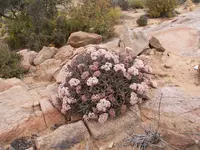
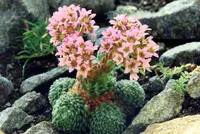
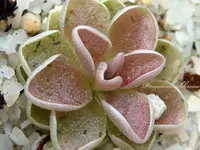
Crassula macowaniana is a small, clustering succulent from South Africa, valued for its compact growth and fleshy, often reddish-tinged leaves. It typically forms low mounds or small mats, making it suitable for containers, rock gardens, and windowsills.
This species prefers bright, dry conditions and well-draining, gritty soil, which reflects its origin in arid, rocky habitats. Its drought tolerance and slow, tidy growth habit usually make it straightforward to care for Crassula macowaniana, as long as excess moisture is avoided.
The plant’s ability to store water in its leaves helps it cope with irregular watering, which suits many indoor environments. It is often chosen by growers who enjoy small, sculptural succulents with a restrained, neat appearance.

Care Difficulty
Easy Care

Light Preference
Full Sun

Water Requirements
Low Water

Temperature Preference
Tropical / Frost Sensitive

Hardiness Zone
10–11

Soil Texture
Sandy, Loamy, Rocky

Soil pH
Slightly acidic (6.5–7.0), Neutral (7.0)

Soil Drainage
Well-drained

Fertilization
Minimal (feed rarely)
Scan your plant to receive care tips personalized for your specific plant
Available on iOS and Android
This compact succulent prefers bright, gentle sun that mimics high-light but not scorching habitats.
This species stores water in its leaves and needs infrequent but thorough watering.
This succulent prefers warm, dry conditions and does poorly in cold, wet climates.
This species tolerates typical indoor humidity and rarely needs special adjustments.
This succulent needs a very fast-draining, mineral-based mix to avoid root rot.
This species is well-suited to container growing due to its compact, shallow-rooted habit.
This succulent needs modest feeding, with emphasis on avoiding excess nutrients and salts for healthy growth.
Pruning is mainly used to maintain size and encourage compact, branching growth.
Container-grown plants benefit from occasional repotting to refresh soil and manage root crowding.
This species is commonly propagated from cuttings, which root reliably in suitable conditions.
This succulent is frost sensitive and needs protection from prolonged cold, especially in containers.

Plant Health Check
Not sure what's wrong with your plant? Check your plant's health inside the app.
This species is naturally restricted to parts of the Eastern and Western Cape in South Africa, where it often grows in shallow pockets of gritty soil on sandstone or quartzitic rock, indicating strong adaptation to mineral-poor, fast-draining substrates.
In habitat it tends to form low, branching clusters rather than a single rosette, gradually creating loose mats that help stabilize thin soils on rocky slopes.
It produces small, star-shaped white to pinkish flowers in loose clusters, usually in the drier, cooler season, which provide modest nectar resources for local pollinating insects.
This species grows slowly, typically adding only a few centimeters in height and spread each year. Growth is fastest in spring and summer when light is strong and conditions are warm, then slows markedly in winter.
Keep your plants happy and healthy with plant identification, disease detection, and easy care guidance.