Crassula plegmatoides Care

Crassula plegmatoides

About Crassula plegmatoides

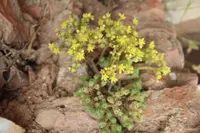
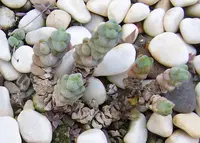
Crassula plegmatoides is a small, slow-growing succulent from the arid regions of South Africa. It forms tight, finger-like columns of leaves that resemble stacked beads or tiny stone columns. The leaves are thick, grey-green, and often covered with a fine powdery coating that helps reduce water loss.

This species stays compact and is usually grown in small pots or mixed succulent containers. It prefers strong light, low to moderate watering, and very well-drained, gritty soil. Its drought tolerance and slow growth habit generally make it straightforward to care for Crassula plegmatoides, as long as excess moisture is avoided.

Main Plant Requirements

Care Difficulty

Moderate Care

Light Preference

Full Sun

Water Requirements

Low Water

Temperature Preference

Tropical / Frost Sensitive

Hardiness Zone

10–11

Soil Texture

Sandy, Loamy, Rocky

Soil pH

Slightly acidic (6.5–7.0), Neutral (7.0)

Soil Drainage

Well-drained

Fertilization

Minimal (feed rarely)

Get Personalized Care Plan

Scan your plant to receive care tips personalized for your specific plant

Available on iOS and Android

How to Care for the Crassula plegmatoides

This compact succulent thrives in bright, dry conditions with controlled sun exposure.

  • Provide 4–6 hours of direct morning sun with bright, filtered light the rest of the day, especially in hot, arid regions where midday sun can scorch leaves.
  • Allow light, dry shade or dappled afternoon shade in very hot climates; pale, stretched stems indicate Crassula plegmatoides needs more light.
  • Outdoors, shift plants gradually into stronger spring sun to avoid burn; in winter, give the brightest location available to maintain compact growth.

This species prefers infrequent, deep watering and fast-drying soil.

  • Water only when the top 3–5 cm of soil are completely dry; in hot growing seasons this may be every 7–21 days depending on heat, pot size, and airflow.
  • Use a very free-draining, gritty mix and let water run through fully, then discard any collected water to reduce root-rot risk and fungus gnat issues.
  • In winter, reduce watering sharply, sometimes to once a month; soft, translucent leaves suggest overwatering, while wrinkling and leaf droop indicate underwatering.

This desert-adapted succulent favors warm, dry air and cool, frost-free nights.

  • Aim for 65–80°F (18–27°C) during active growth, with cooler, bright conditions improving coloration and compact form.
  • Protect from temperatures below 32°F (0°C); extended exposure near freezing damages tissues, so move plants to shelter before frost.
  • In hot spells above 90°F (32°C), provide light afternoon shade and good airflow; avoid placing near heat-reflective walls or metal surfaces that intensify heat stress.

This species prefers dry indoor air and does not need elevated humidity.

  • Aim for 30–50% relative humidity, similar to most heated homes.
  • Leaves shriveling while soil stays moist usually indicates excess humidity or poor airflow rather than dryness.
  • If air is extremely dry and hot, simply move the plant away from heat vents instead of using humidifiers.

This succulent needs a very fast-draining, mineral-rich substrate to prevent root rot.

  • Use a gritty mix such as 60–70% inorganic material (pumice, coarse sand, or small gravel) with 30–40% succulent or cactus mix.
  • Aim for slightly acidic to neutral pH, around 6.0–7.0, which suits Crassula plegmatoides well.
  • Ensure the mix feels loose and airy, so water runs through within seconds and the pot never holds soggy patches.
  • Avoid peat-heavy, compact, or moisture-retentive substrates that stay wet longer than 2–3 days after watering.

This species is well suited to container growing due to its compact, slow habit.

  • Choose a shallow but wide pot to match the relatively shallow roots and spreading clumps.
  • Use unglazed terracotta if extra evaporation is needed in cooler or dimmer conditions to prevent lingering moisture.
  • Place the container at a slight tilt or on pot feet so excess water drains freely and does not pool under the root zone.

This compact succulent from arid habitats needs only light feeding, so a lean approach supports healthy, compact growth.

  • Use a weak, balanced liquid fertilizer (around 10-10-10) diluted to 25–50% strength during active growth in spring–summer.
  • Apply every 6–8 weeks at most; many plants stay healthy with only 1–2 light feeds per season.
  • Skip compost-heavy or slow-release products that stay wet or salty around roots, which can cause burn.
  • Stop feeding Crassula plegmatoides in fall–winter when growth slows, to avoid soft, etiolated tissue.

Pruning needs are minimal, mainly to keep this small succulent neat and healthy.

  • Carry out light pruning in late spring or early summer when growth is most active.
  • Use clean, sharp scissors to remove dead, shriveled, or diseased leaves and stems at the base.
  • Thin any crowded, crossing stems to maintain light penetration and an open, compact form.
  • Avoid heavy shaping cuts; excessive removal can stress Crassula plegmatoides and slow recovery.

This slow-growing species prefers a stable container and infrequent disturbance.

  • Repot only every 3–4 years, or when roots circle the pot or growth slows despite proper light and watering.
  • Choose late spring as the best time, using a shallow pot with excellent drainage and gritty succulent mix.
  • Gently loosen circling roots and remove a small amount of old soil, keeping the root ball mostly intact.
  • After repotting Crassula plegmatoides, wait 5–7 days before watering to let any root damage callus and reduce rot risk.

Crassula plegmatoides is usually propagated from stem or leaf cuttings under warm, bright, and dry-leaning conditions.

  • Take short, firm stem segments or healthy leaves in late spring–summer, using a sterile blade.
  • Allow cut surfaces to dry and callus for 3–7 days in a shaded, airy place before planting.
  • Set cuttings on or barely in a gritty, fast-draining mix and keep only lightly moist, never wet.
  • Provide bright, indirect light and 70–80°F temperatures to encourage rooting over several weeks.

This succulent is not frost hardy and needs protection from freezing conditions in most climates.

  • Keep temperatures around 45–60°F in winter; prolonged exposure below 32°F can damage tissues.
  • Move container plants indoors or into a cool greenhouse before the first hard frost.
  • Provide bright light and very sparse watering, allowing the mix to dry completely between sips.
  • Avoid cold drafts and damp, stagnant air, which favor root and stem rot in Crassula plegmatoides.

Care Tips

Rotate for symmetry

Turn the pot 1/4 turn every 2–3 weeks so all sides receive similar light, which keeps the clustered columns upright and prevents them from permanently leaning toward the window.

Use top-dressing grit

Apply a 0.5–1 cm layer of coarse horticultural grit or pumice on the soil surface to keep the stem bases dry, reduce fungus gnat activity, and visually signal when the top layer has fully dried.

Limit pot size

Choose a shallow, only slightly wider pot with several drainage holes to keep the root zone airy and reduce the risk of overwatering rather than continually moving to larger containers.

Cool, bright winter

If possible, overwinter the plant at 50–60°F in a very bright spot and keep the soil almost dry to encourage compact growth and reduce etiolation, the stretching that occurs in low light.

Inspect stem bases

Every 4–6 weeks gently brush aside the top grit and check the lowest stem segments for softness or discoloration so any early rot can be managed by drying the mix more thoroughly or trimming affected tissue, which is key when caring for Crassula plegmatoides.

Common Pests and Diseases

Mealybugs

This pest often hides in leaf folds and between the stacked segments, sucking sap and causing yellowing, stunting, or a dull, dusty look on the leaves. Symptoms include white, cottony clusters that are easy to overlook on the grey, textured surface.

Solution

Isolate the plant, then dab visible insects with cotton swabs dipped in 70% isopropyl alcohol and gently remove them from the tight leaf joints. Repeat weekly checks, improve light and airflow, and if the infestation is larger, use a ready-to-use insecticidal soap or neem oil spray, making sure to reach between the leaves but avoiding spraying during strong direct sun.

Aphids

These insects cluster on soft new growth and along the edges of the stacked leaves, extracting sap and excreting sticky honeydew that can attract sooty mold. Symptoms include distorted new segments and a shiny or sticky residue on the plant or pot surface.

Solution

Move the plant to a sink and rinse vigorously with a strong but controlled stream of lukewarm water to knock aphids off the stems and leaf crevices. For persistent populations, apply insecticidal soap thoroughly every 5–7 days until no aphids are seen, and avoid overfertilizing, which encourages soft, aphid-prone growth when growing Crassula plegmatoides.

Spider mites

This pest thrives in warm, dry indoor conditions and can be hard to spot on the grey, rough foliage, leading to fine stippling, dull color, and eventual leaf drop. Symptoms include very fine webbing between segments or at the base of stems.

Solution

Increase humidity around the plant slightly, then hose or shower the plant to wash mites and webs from all sides, especially between the stacked leaves. Follow with thorough applications of insecticidal soap or a miticide labeled for indoor succulents every 5–7 days for several cycles, ensuring better airflow and avoiding very dry, stagnant air to reduce recurrence.

Edema

This disorder occurs when roots take up water faster than the leaves can release it, which is common if a plant in low light is watered heavily and then kept cool. Symptoms include small corky, scabby, or blister-like spots on the leaves that do not rub off.

Solution

Allow the soil to dry more thoroughly between waterings, especially in cool or low-light periods, and always use a very fast-draining gritty mix. Provide brighter light, avoid sudden drenching after prolonged dryness, and keep temperatures stable to prevent further damage, as existing marks will not disappear but new growth should be clean.

Fungal leaf spots

This disease can appear when the compact stacks of leaves stay damp for long periods, particularly in humid, stagnant air, causing small dark spots that may slowly enlarge or coalesce. Symptoms include discolored, sometimes sunken patches on the leaf surface, often starting where water collects between segments or after overhead watering in low light.

Solution

Remove and discard affected leaves with sterile scissors, then adjust care to water at the soil level and keep the leaf stacks as dry as possible. Improve airflow, ensure the plant sits in bright light, and if spots continue to spread, apply a sulfur-based or copper-based fungicide labeled for succulents, following label directions carefully.

Interesting Facts

Karoo fog specialist

This species is native to the arid Richtersveld and Namaqualand regions of South Africa, where it often relies on coastal fog and brief dew events rather than regular rainfall as key moisture sources.

Camouflage growth habit

Its short, club-shaped leaves are densely packed and grey-green with a powdery bloom, helping the plant visually blend into surrounding gravel and rock and likely reducing herbivore attention.

Compact winter grower

In habitat it grows mainly during the cooler, moister winter months and largely pauses growth in the hot, dry summer, a seasonal rhythm that differs from many more familiar succulent houseplants.

FAQs about Crassula plegmatoides

This species grows slowly, adding only a few millimeters of height and thickness each year. Growth is most noticeable in spring and early summer, and remains compact even in ideal conditions compared with many other succulents.

Grow Healthy Plants with Botan Care

Keep your plants happy and healthy with plant identification, disease detection, and easy care guidance.

Botan plant care app — identify plants on mobile

Explore More Plants