Jersey Pigmyweed Care (Crassula pubescens)

Jersey Pigmyweed

About Jersey Pigmyweed

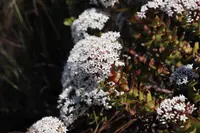
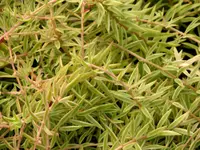
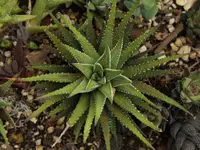
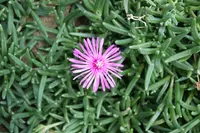
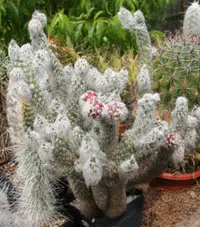
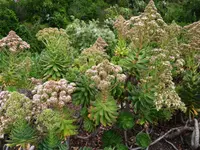
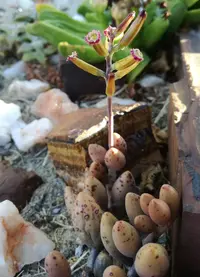
Jersey pigmyweed, Crassula pubescens, is a compact succulent from South Africa, valued for its small, fleshy leaves and branching, low-growing habit. The foliage often has fine hairs and can develop red tones in bright light, giving the plant a distinctive texture and color.

In cultivation it is usually grown in pots or rock gardens, where its slow, tidy growth suits limited spaces. It prefers bright, indirect light, sparse watering, and sharply draining, gritty soil.

Because it stores water in its leaves, it tolerates short dry periods and is generally suitable for beginners. Understanding how to care for Jersey Pigmyweed mainly involves avoiding overwatering and giving it enough light to keep the foliage compact and colored.

Main Plant Requirements

Care Difficulty

Easy Care

Light Preference

Full Sun

Water Requirements

Low Water

Temperature Preference

Tropical / Frost Sensitive

Hardiness Zone

10–11

Soil Texture

Sandy, Loamy, Rocky

Soil pH

Slightly acidic (6.5–7.0), Neutral (7.0)

Soil Drainage

Well-drained

Fertilization

Minimal (feed rarely)

Get Personalized Care Plan

Scan your plant to receive care tips personalized for your specific plant

Available on iOS and Android

How to Care for the Jersey Pigmyweed

Crassula pubescens prefers bright, gentle sun that mimics its native habitat.

  • Provide 4–6 hours of direct morning sun or bright, filtered light, especially in spring and fall, while avoiding harsh, low-angle winter glare through glass.
  • In hot summers, give Jersey Pigmyweed light afternoon shade; strong midday sun can scorch leaves, causing brown, dry patches and faded color.
  • If stems stretch or leaves lose their red edges, light is too low; gradually increase light exposure over 7–10 days, watching for sunburn.

This succulent stores water in its leaves and needs infrequent but thorough watering.

  • Allow the top 3–5 cm of soil to dry fully before watering; in most warm seasons this often means waiting until foliage looks firm but not swollen.
  • Use sharply draining, gritty soil so water runs through within a few seconds; empty any standing water to reduce root-rot risk for Crassula pubescens.
  • In cooler months, extend drying times and watch for signals: soft, yellowing, translucent leaves suggest overwatering, while wrinkled, drooping leaves suggest underwatering.

Stable, mild temperatures support compact, healthy growth in this succulent.

  • Aim for 65–80°F (18–27°C) during active growth; this range encourages tight internodes and good leaf color without stress.
  • Protect the plant from temperatures below 40°F (4°C); brief dips to 35°F (2°C) may be tolerated, but hard frost can kill tissues and roots.
  • In hot periods above 90°F (32°C), increase airflow and provide light shade to limit leaf scorch and reduce rapid moisture loss from soil.

This succulent tolerates typical indoor humidity and rarely needs special humidity management.

  • Maintain 30–50% humidity; drier air is acceptable if watering is appropriate.
  • Dry tips or wrinkling despite moist soil may indicate combined light or heat stress rather than low humidity.
  • Increase local humidity only in very arid homes by grouping Jersey Pigmyweed with other plants, not by frequent misting.

Crassula pubescens prefers a very fast-draining, mineral-rich succulent substrate.

  • Use a mix of 50–70% coarse mineral material such as pumice, perlite, or grit, with 30–50% lean potting mix.
  • Aim for a sandy or gritty texture that lets water drain through in seconds while still holding the roots in place.
  • Keep pH slightly acidic to neutral, around 6.0–7.0, which suits most commercial cactus and succulent mixes.
  • Avoid dense peat-heavy or clay soils that stay wet, and add extra pumice or coarse sand to improve aeration and drainage if water lingers.

This species is well suited to container growing due to its compact, succulent root system.

  • Choose a low, wide pot so shallow roots can spread and the plant remains stable as stems elongate.
  • Select terracotta if extra evaporation is needed, or glazed ceramic if the plant dries out too quickly in your climate.
  • Elevate the pot or use a gritty top-dressing so drainage holes stay clear and water does not pool under the container.

Crassula pubescens, often called Jersey Pigmyweed, has modest nutrient needs but benefits from light feeding in active growth.

  • Use a balanced liquid fertilizer (for example 10-10-10) diluted to 25–50% strength for container-grown plants.
  • Feed every 4–6 weeks during spring and summer when growth is evident.
  • Avoid heavy compost or rich organic mixes that stay wet and may rot succulent roots.
  • Stop feeding in fall and winter, when growth slows and the plant rests.

Pruning Crassula pubescens helps maintain a compact shape and removes weak growth.

  • Carry out light pruning in late winter or early spring before strong new growth starts.
  • Remove dead, damaged, leggy, or crossing stems with sharp, clean scissors or small pruners.
  • Shortening long shoots encourages branching and a denser, more cushion-like habit.
  • Pinch spent flower stems at the base once they dry to keep the plant tidy.

This small succulent prefers slightly tight quarters and only occasional repotting or transplanting.

  • Check for roots circling the pot, growing from drainage holes, or noticeably slowed growth as signals to move up.
  • Plan repotting in spring, about every 2–3 years for container plants, using a cactus or succulent mix.
  • Choose a pot just 2–3 cm wider, with drainage holes, to prevent excess moisture around the roots.
  • Gently loosen the root ball, remove old soggy soil, then water lightly after repotting to limit root stress.

Crassula pubescens is commonly propagated from stem or leaf cuttings under warm, bright conditions.

  • Take short, healthy stem cuttings or firm leaves in spring or early summer.
  • Allow cut surfaces to dry and callus for 1–2 days before placing on or in gritty, well-draining mix.
  • Keep the medium barely moist, not wet, and provide bright, indirect light for rooting.
  • Seeds can be surface-sown on sandy mix and kept warm (68–75°F) and lightly moist until germination.

This succulent is not very frost tolerant and needs protection in cold climates.

  • In regions below about 30°F, grow in containers so plants can be moved indoors before hard frost.
  • Provide a cool, bright indoor spot around 50–60°F with minimal watering through winter.
  • In mild climates, use a thin gravel mulch around the base to keep the crown dry in cold rain.
  • Avoid overhead watering during cold spells to reduce the risk of rot in leaves and stems.

Care Tips

Rotate For Compactness

Turn the pot 90° every 1–2 weeks so all sides receive similar light, which keeps stems short, dense, and prevents the plant from leaning toward one direction.

Pinch To Branch

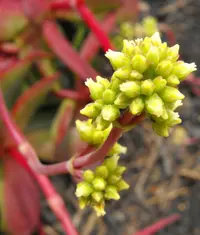
Use clean fingers or scissors to pinch off soft stem tips in spring and summer to encourage side shoots, creating a fuller mound and reducing the risk of older stems becoming leggy and weak.

Top-Dress With Grit

Add a 0.5–1 cm layer of coarse horticultural grit or small lava rock on the soil surface to keep leaves dry at the base, reduce fungus gnat habitat, and stabilize shallow roots.

Cool, Bright Dormancy

In winter, keep the plant in very bright light and slightly cooler room conditions around 55–65°F to support a natural rest phase that improves color and flowering the following season.

Inspect Hidden Nodes

When repotting or trimming, check the lower stem nodes and leaf bases for mealybugs or scale insects and remove affected parts or dab pests with isopropyl alcohol to maintain healthy growth when growing Jersey Pigmyweed.

Common Pests and Diseases

Mealybugs

This pest often hides in leaf axils and along stems, feeding on sap and leaving behind white, cottony clusters. Symptoms include stunted growth, honeydew, and sooty mold on the leaves.

Solution

Remove visible insects with a cotton swab dipped in 70% isopropyl alcohol, then rinse the plant with a gentle water spray. Isolate the plant, improve light and air movement, and repeat spot treatments weekly until no new insects appear; for larger infestations, use a labeled insecticidal soap on all plant surfaces, including undersides of leaves.

Aphids

These insects cluster on tender shoot tips and flower stalks, sucking sap and causing distortion, curling, and sticky honeydew. Ants may appear to farm the aphids, further spreading the population.

Solution

Spray the plant with a firm stream of water to dislodge colonies, then apply insecticidal soap or a light horticultural oil, making sure to coat all infested areas. Remove heavily infested shoots if possible and reduce excess nitrogen fertilization, which encourages soft, aphid‑prone growth.

Soft scale

This pest appears as small, dome‑shaped bumps on stems and leaf midribs, remaining mostly immobile while feeding on sap. Symptoms include yellowing, weak growth, and sticky honeydew that can lead to sooty mold.

Solution

Gently scrape or wipe off individual scales with a cotton swab or soft cloth dipped in 70% isopropyl alcohol, then rinse the foliage. For ongoing problems, use repeated applications of horticultural oil during active growth, and inspect new plants before placing them near established Crassula pubescens plants.

Edema

Symptoms include small corky, raised, or blister‑like spots on leaves, usually when roots take up water faster than the plant can transpire it. This physiological disorder is common when soil stays wet and light or airflow is poor.

Solution

Allow the soil to dry more between waterings, especially in cool or low‑light conditions, and ensure the pot and mix drain very well. Increase light and airflow around the plant; damaged spots will not heal, but new growth should emerge normal once watering is adjusted as part of general Crassula pubescens care instructions.

Leaf spot

This disease causes localized brown, tan, or dark water‑soaked spots on leaves, sometimes with a yellow halo, which can coalesce and cause leaf drop. Symptoms include more rapid spread in humid, stagnant air conditions or when water regularly sits on the foliage.

Solution

Remove and discard affected leaves, then improve spacing, light, and ventilation so surfaces dry quickly after watering. Avoid overhead watering, keep leaves dry, and if the problem persists, apply a copper‑based or other succulent‑safe fungicide according to label directions, treating both upper and lower leaf surfaces.

Interesting Facts

Fine velvety foliage

The leaves are covered in short, fine hairs that give them a velvety texture, which helps reduce water loss and protect the tissue from intense sunlight in its native habitats in South Africa and Namibia.

Seasonal color change

Leaf edges and tips often turn red to deep burgundy under strong light or cooler, drier conditions, a response linked to pigments called anthocyanins that protect the leaves from light stress.

Rocky habitat specialist

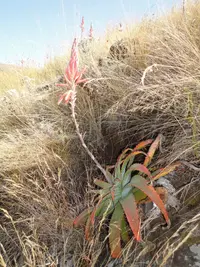
In the wild, this species typically grows in rocky crevices and shallow, stony soils, where its compact form and succulent leaves allow it to survive with limited water and brief moisture pulses.

FAQs about Jersey Pigmyweed

Lack of flowering usually comes from insufficient light, too much nitrogen-rich fertilizer, or stress from recent repotting or pruning. Provide strong light, use a balanced or low-nitrogen feed, and avoid disturbing the plant before its blooming season.

Grow Healthy Plants with Botan Care

Keep your plants happy and healthy with plant identification, disease detection, and easy care guidance.

Botan plant care app — identify plants on mobile

Explore More Plants