Fringe Stonecrop Care (Crassula undulata)

Also known as: Doily Stonecrop, Doily Crassula
Fringe Stonecrop

About Fringe Stonecrop

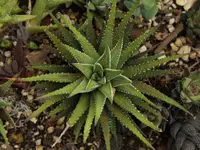
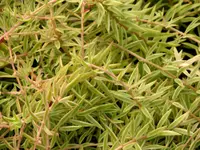
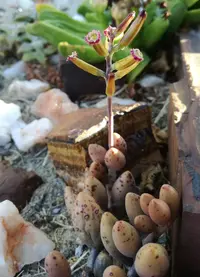
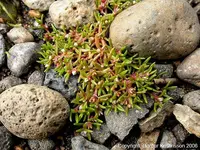
Fringe stonecrop (Crassula undulata) is a compact succulent from South Africa, valued for its wavy, frilled leaves and neat clumping habit. The foliage often shows red or bronze tones, especially in strong light.

This species stays relatively small, which makes it suitable for windowsills, mixed succulent containers, and small indoor displays. It prefers bright, indirect sun, low to moderate watering, and sharply draining soil.

Its slow growth, drought tolerance, and modest space needs make it fairly easy to manage, as long as excess moisture is avoided. Understanding how to care for Fringe Stonecrop mainly involves controlling watering and light rather than frequent maintenance.

Main Plant Requirements

Care Difficulty

Easy Care

Light Preference

Partial Sun

Water Requirements

Low Water

Temperature Preference

Tropical / Frost Sensitive

Hardiness Zone

10–11

Soil Texture

Sandy, Loamy, Rocky

Soil pH

Slightly acidic (6.5–7.0), Neutral (7.0)

Soil Drainage

Well-drained

Fertilization

Minimal (feed rarely)

Get Personalized Care Plan

Scan your plant to receive care tips personalized for your specific plant

Available on iOS and Android

How to Care for the Fringe Stonecrop

Crassula undulata prefers bright, indirect light with some direct sun for compact growth.

  • Provide 4–6 hours of morning sun or late-afternoon sun; in hot climates, protect from harsh midday rays to avoid leaf scorch.
  • Plant in a spot with bright, filtered light or light partial shade; Fringe Stonecrop tolerates partial shade but becomes looser and less colorful.
  • In winter, maximize light near a bright window or open exposure, and rotate the plant periodically to prevent leaning toward the light source.

Crassula undulata requires infrequent, thorough watering that mimics dry, rocky habitats.

  • Allow the top 2–4 cm of soil to dry fully before watering; use a finger test rather than a fixed schedule to decide when to water.
  • Water deeply until excess drains away, then empty saucers; use a gritty, fast-draining soil to reduce the risk of root rot from standing moisture.
  • In spring–summer, expect more frequent watering; in fall–winter, reduce frequency, watching for wrinkling leaves (too dry) or soft, translucent leaves (overwatered).

This succulent prefers warm, dry conditions and does not tolerate frost.

  • Aim for 65–80°F (18–27°C) during active growth for best performance and compact foliage.
  • Protect from temperatures below 40°F (4°C); sustained exposure near freezing can damage tissues and may kill the plant.
  • In hot spells above 90°F (32°C), give light shade and good airflow to prevent heat stress, and avoid sudden shifts between cool nights and very hot days.

This succulent handles low humidity well and rarely needs special humidity care.

  • Target 30–50% humidity, similar to most heated or air-conditioned homes.
  • Dry indoor air is usually tolerated, but extreme, hot drafts can crisp leaf edges over time.
  • If leaf tips shrivel while the soil is already drying correctly, move the Fringe Stonecrop away from vents rather than adding extra humidity.

Crassula undulata prefers a very fast-draining, mineral-rich substrate that mimics arid, rocky soils.

  • Use a gritty mix such as 50–60% cactus/succulent mix blended with coarse sand, pumice, or perlite for strong aeration.
  • Aim for slightly acidic to neutral pH, around 6.0–7.0, which supports nutrient uptake without encouraging rot organisms.
  • Ensure water runs through freely and the pot never holds a water layer at the bottom, as sustained saturation quickly damages roots.
  • Avoid heavy, peat-dominant or clayey substrates that compact, stay wet for many hours, and limit oxygen around the root zone.

This species is well suited to container growing, including small decorative pots.

  • Choose a wide, shallow pot to match the relatively shallow root system and reduce the risk of mix staying wet in deep, unused zones.
  • Select unglazed terracotta if extra evaporation is needed, or glazed ceramic when extending moisture retention in very hot, dry climates.
  • Elevate the pot slightly on feet or mesh to let drainage holes clear quickly after watering and to prevent water from pooling under the base.

Crassula undulata is a light feeder, so modest, diluted nutrition is enough to support compact, healthy growth.

  • Use a balanced liquid succulent fertilizer (around 10-10-10 or 20-20-20) diluted to 25–50% strength in well-watered soil.
  • Feed every 4–6 weeks in spring and summer while actively growing, then stop or reduce to 1 light feed in fall.
  • Avoid compost-heavy mixes that stay wet; Fringe Stonecrop prefers lean, fast-draining soil with minimal organic fertilizer.
  • Never apply fertilizer to dry soil, and flush the pot with plain water a few times per year to avoid salt buildup.

Pruning Crassula undulata is mainly done to maintain shape and remove weak growth rather than for plant health alone.

  • Best time is late winter to early spring, just before strong new growth starts.
  • Use clean, sharp scissors or pruning shears to remove dead, damaged, or leggy stems back to a node.
  • Pinch or cut soft tips to encourage branching and a fuller, more compact habit.
  • Remove crowded interior stems to improve light penetration and air movement around the plant.

Repotting Crassula undulata is infrequent, focused on root health and maintaining a stable, well-drained substrate.

  • Repot every 2–3 years or when roots circle the pot, growth slows, or water runs straight through quickly.
  • Schedule repotting for spring, allowing the plant a full warm season to re-establish and resume active growth.
  • Choose a pot only 1–2 in wider with drainage holes and a gritty succulent mix to limit excess moisture.
  • After repotting, firm soil gently, water once, then keep slightly dry for 5–7 days to reduce root stress and rot risk.

Crassula undulata is most commonly propagated from stem or leaf cuttings taken during the warm growing season.

  • Take 5–8 cm stem cuttings or healthy leaves in late spring or summer, using a clean, sharp blade.
  • Allow cut surfaces to dry and callus for 1–3 days in a shaded, airy place to reduce rot risk.
  • Plant cuttings in a barely moist, gritty succulent mix and keep in bright, indirect light at 70–80°F.
  • Water sparingly until roots form, then gradually increase light and resume normal succulent watering.

Crassula undulata is not frost hardy and needs protection from freezing temperatures in most climates.

  • Move container plants indoors before temperatures drop below 40°F, placing them in bright, cool light.
  • Keep winter temperatures around 50–60°F and reduce watering, letting soil dry more between waterings.
  • Avoid cold drafts, condensation on leaves, and prolonged contact with single-pane windows to prevent tissue damage.

Care Tips

Controlled summer growth

If outdoor temperatures stay above 65°F and rain is light, move the pot outside for 2–3 months to encourage compact, colorful growth, but always shelter it from prolonged rain to avoid waterlogging the fleshy roots.

Targeted leaf cleaning

Use a soft, dry brush or compressed air on low pressure to remove dust from the wavy leaves so light can reach the surface more effectively without bruising the succulent tissue.

Strategic offset removal

When offsets at the base crowd the main stem, remove and replant a few with a clean, sharp knife to reduce competition for light and nutrients and to maintain a tidy, compact clump.

Post-stress observation

After repotting, accidental underwatering, or minor sunburn, check the plant every few days for 2–3 weeks, removing any softened or translucent leaves promptly to reduce the risk of rot spreading.

Pest scouting routine

Inspect the leaf undersides and stem joints every 1–2 weeks with a hand lens, and at the first sign of mealybugs or scale, isolate the plant and treat with a labeled succulent-safe insecticidal soap as part of caring for Fringe Stonecrop.

Common Pests and Diseases

Mealybugs

This pest appears as small white cottony clusters tucked into leaf folds and along stems, often causing stunted growth and sticky honeydew on foliage.

Solution

Isolate the plant, then dab visible insects with cotton swabs dipped in 70% isopropyl alcohol and gently wipe leaf undersides and crevices; repeat weekly until gone and improve light and airflow to discourage reinfestation as part of Crassula undulata care.

Soft scale

This pest forms small, rounded, tan to brown bumps on stems and leaf bases that suck sap and weaken the plant over time.

Solution

Gently scrape or rub off scale shells with a fingernail or soft cloth, then wipe affected areas with diluted isopropyl alcohol; repeat checks every 7–10 days and avoid overfertilizing, which encourages rapid, soft growth that scale prefers.

Aphids

These insects cluster on new shoots and flower stalks, sucking sap and causing distorted growth and sticky honeydew that can lead to sooty mold.

Solution

Rinse the plant thoroughly with a strong but controlled stream of lukewarm water to dislodge colonies, then use an insecticidal soap spray on new growth every 5–7 days until no aphids are seen, keeping the plant in bright, dry conditions between treatments.

Edema

Symptoms include corky, tan or brown raised spots on leaves caused by cells bursting when roots take up water faster than leaves can release it.

Solution

Allow the soil to dry more thoroughly between waterings, use a very free-draining succulent mix, and provide brighter light and good air circulation so leaves transpire more evenly; affected spots do not heal but new growth should emerge unmarked.

Fungal leaf spots

This disease shows as small dark spots or patches on leaves, sometimes with a yellow halo, often developing after prolonged surface moisture or poor airflow around the rosette.

Solution

Remove and discard affected leaves, then keep foliage dry, water at the soil level, and increase light and ventilation; if spotting continues, apply a sulfur- or copper-based fungicide labeled for succulents following label directions and avoid crowding plants.

Interesting Facts

Wavy leaf architecture

This species develops thin, undulating leaf margins that increase the leaf edge length relative to surface area, a growth form thought to help reduce heat load and water loss in its sunny native habitats.

South African rock specialist

It is naturally found in rocky, well-drained sites in parts of South Africa, where it grows in shallow pockets of gritty soil and often in crevices that protect its roots from prolonged moisture.

Seasonal growth rhythm

In its native climate it tends to grow most actively in cooler, brighter seasons, slowing down in the hottest, driest periods, a pattern that reflects the timing of rainfall in many South African succulent habitats.

FAQs about Fringe Stonecrop

Brown leaves usually result from underwatering, intense direct sun scorch, or fertilizer burn. Check the potting mix moisture, move it slightly away from harsh midday sun, and flush the soil if fertilizer was recently applied heavily.

Grow Healthy Plants with Botan Care

Keep your plants happy and healthy with plant identification, disease detection, and easy care guidance.

Botan plant care app — identify plants on mobile

Explore More Plants