Rock crevice planting
Tuck plants into narrow rock crevices or between paving stones to mimic their natural habitat, which helps protect stems from mechanical damage and reduces competition from taller plants.

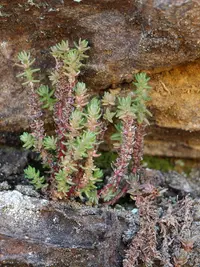
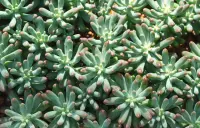
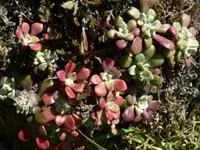
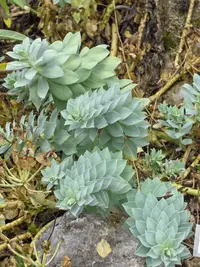
Siberian pygmyweed (Crassula sieberiana) is a small, mat-forming succulent that often grows between rocks or in shallow soil pockets. It forms low cushions of tiny, fleshy leaves that store water. In nature it occurs in cool, often alpine or subalpine regions, where it experiences strong light, good drainage, and regular but not excessive moisture. Its compact habit and slow, steady growth make it relatively easy to manage in pots, troughs, or rock gardens. The plant prefers bright light, sharply drained, gritty soil, and careful watering that avoids prolonged wetness around the roots. These traits make it important to learn how to care for Siberian pygmyweed before placing it in mixed plantings.

Care Difficulty
Easy Care

Light Preference
Full Sun

Water Requirements
Low Water

Temperature Preference
Cold Hardy

Hardiness Zone
6–9

Soil Texture
Sandy, Loamy, Rocky

Soil pH
Slightly acidic (6.5–7.0), Neutral (7.0)

Soil Drainage
Well-drained

Fertilization
Minimal (feed rarely)
Scan your plant to receive care tips personalized for your specific plant
Available on iOS and Android
This small succulent prefers bright, cool conditions that mimic open rocky slopes.
This species stores water in its leaves and needs sparing, well-timed watering.
This hardy succulent tolerates cool conditions but still benefits from moderate temperatures for best growth.
This species handles typical indoor humidity well and rarely needs special adjustments.
Crassula sieberiana prefers sharply drained, mineral-rich soil that dries quickly between waterings.
This species is well suited to container growing due to its compact, shallow-rooted habit.
Crassula sieberiana grows well with minimal feeding but responds to light nutrition during active growth.
Pruning Crassula sieberiana is mainly for tidying, controlling spread, and keeping mats dense.
This species is more often transplanted in the garden than repotted but adapts well to shallow containers.
Crassula sieberiana is commonly propagated from cuttings and division rather than seed for home growers.
Crassula sieberiana is relatively cold tolerant but benefits from simple winter management in harsher climates.

Plant Health Check
Not sure what's wrong with your plant? Check your plant's health inside the app.
This species naturally grows in shallow soil pockets and rock crevices across southeastern Australia and New Zealand, anchoring itself tightly into cracks that would be too harsh for most non-succulent herbs.
Its small, opposite leaves are thick and fleshy like many Crassula species, but have a distinctly soft, often slightly flattened texture that allows the plant to store water while still forming dense, mat-like patches close to the ground.
In its native range it occurs from exposed coastal sites up into cool, higher-elevation habitats, showing a notable tolerance for both salt-laden winds and periodic light frosts compared with many other Crassula relatives.
This species forms low, creeping mats but is not usually aggressive. It spreads slowly by short stems and self-seeding in suitable spots. Regular edging or lifting excess pieces keeps it neatly contained in rock gardens or between pavers.
Keep your plants happy and healthy with plant identification, disease detection, and easy care guidance.