Spathula-leaf Crassula Care (Crassula spathulata)

Spathula-leaf Crassula

About Spathula-leaf Crassula

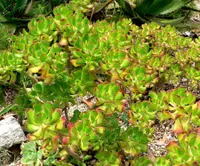
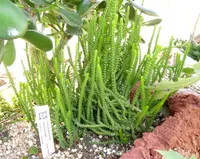
Spathula-leaf Crassula (Crassula spathulata) is a small, scrambling succulent known for its rounded, spoon-shaped leaves and trailing stems. It often forms a low mat that can spill attractively over pot edges or rock crevices.

This species is native to South Africa, where it grows in rocky, well-drained habitats with bright light and good airflow. Its compact growth and drought tolerance make it suitable for containers, hanging baskets, and mixed succulent plantings.

Crassula spathulata is generally considered easy to grow if given bright, indirect light, occasional direct sun, and a gritty, fast-draining soil mix. Understanding how to care for Spathula-leaf Crassula mainly involves avoiding overwatering and protecting it from prolonged frost or deep shade.

Main Plant Requirements

Care Difficulty

Easy Care

Light Preference

Partial Shade

Water Requirements

Low Water

Temperature Preference

Tropical / Frost Sensitive

Hardiness Zone

10–11

Soil Texture

Sandy, Loamy, Rocky

Soil pH

Slightly acidic (6.5–7.0), Neutral (7.0)

Soil Drainage

Well-drained

Fertilization

Minimal (feed rarely)

Get Personalized Care Plan

Scan your plant to receive care tips personalized for your specific plant

Available on iOS and Android

How to Care for the Spathula-leaf Crassula

This succulent prefers bright light but needs some protection from harsh sun, especially in hot climates.

  • Provide 4–6 hours of direct morning sun with bright, filtered light or light shade in the afternoon, especially in summer.
  • In hotter regions, grow Spathula-leaf Crassula where it receives dappled shade from about 1–4 p.m. to reduce leaf scorch risk.
  • Watch for pale, stretched stems as a sign of low light and for brown, crispy patches as a sign of excessive intense sun.

This plant stores water in its leaves and needs infrequent, careful watering to avoid root problems.

  • Allow the top 2–4 cm of soil to dry before watering, then water deeply so excess drains away, especially in fast-draining, gritty soil.
  • Reduce watering in cooler months, waiting until the soil is dry much deeper; in active growth, dry-but-not-dusty soil is a good target.
  • Soft, yellowing, or mushy leaves suggest overwatering in Crassula spathulata, while wrinkled, thin leaves indicate it has been kept too dry for too long.

This species prefers mild, frost-free conditions and does best without large, rapid temperature swings.

  • Aim for 65–80°F (18–27°C) for steady growth, with some tolerance down to about 55°F (13°C) without stress.
  • Protect from frost; brief dips near 32°F (0°C) can damage foliage, and prolonged freezing can kill roots and stems.
  • In hot spells above 90°F (32°C), provide afternoon shade and good air movement to limit heat stress and leaf scorch.

Humidity is rarely a limiting factor for Crassula spathulata in household conditions.

  • Aim for 30–50% humidity, similar to most heated or air-conditioned homes.
  • Dry air is usually tolerated, but very hot, dry drafts can cause leaf edges to crisp or shrivel.
  • Increase humidity slightly during heatwaves by grouping plants or placing the pot on a pebble tray, keeping the pot base above the water line.

Crassula spathulata prefers a sharply draining, mineral-based substrate that dries quickly between waterings.

  • Use a cactus/succulent mix or blend 50–60% coarse inorganic material (perlite, pumice, gritty sand) with 40–50% lean potting mix.
  • Aim for a loose, airy texture so water runs through in seconds and the mix dries within a few days.
  • Keep pH near neutral to slightly acidic, roughly 6.0–7.0, avoiding highly acidic or strongly alkaline substrates.
  • Avoid dense, peat-heavy, or clayey soils that retain water, as these encourage root rot and stem base collapse.

This species is well suited to container growing, including hanging baskets and shallow dishes.

  • Choose a wide, shallow pot to accommodate its spreading habit while preventing overly deep, moisture-retentive soil columns.
  • Select terracotta or other porous materials if moisture runs high, as they help the mix dry faster and reduce rot risks.
  • Ensure large, unobstructed drainage holes so excess water leaves immediately and the lower root zone does not remain saturated.

This succulent benefits from light feeding rather than heavy fertilization.

  • Use a balanced liquid fertilizer (around 10-10-10 or 20-20-20) diluted to 25–50% strength for Spathula-leaf Crassula in active growth.
  • Feed every 4–6 weeks in spring and summer only, after watering, to avoid root burn.
  • Skip fertilizer in fall and winter when growth slows, unless the plant shows clear nutrient deficiency.
  • Organic options like very thin compost tea or low-dose slow-release granules can be used sparingly in fast-draining soil.

Pruning helps keep Crassula spathulata compact, healthy, and well-shaped.

  • Carry out most pruning in late winter to early spring before strong new growth starts.
  • Use clean, sharp scissors or small pruners to remove dead, damaged, or leggy stems back to healthy tissue.
  • Thin crowded, crossing, or inward-growing shoots to improve light penetration and air movement.
  • Pinch back stem tips to encourage branching and a denser, trailing habit without removing too much at once.

This species prefers slightly snug pots and only needs repotting when clearly root-bound.

  • Check for roots circling the pot, emerging from drainage holes, or unexplained slow growth as signs to repot Crassula spathulata.
  • Plan repotting for spring, every 2–3 years, when the plant resumes active growth.
  • Move to a pot only 2–3 cm wider, using fresh, gritty, fast-draining succulent mix to limit waterlogging.
  • Gently loosen circling roots, trim damaged ones, repot at the same depth, then water lightly after 3–5 days of dry recovery.

Crassula spathulata is commonly propagated from stem cuttings under warm, bright conditions.

  • Take 5–8 cm non-flowering stem cuttings in late spring or summer, removing the lower leaves.
  • Allow cut ends to dry and callus for 1–3 days to reduce rot risk.
  • Insert cuttings into barely moist, very well-draining mix and keep in bright, indirect light at 68–77°F.
  • Maintain only light moisture and good airflow until roots form in 3–6 weeks, then pot on as young plants.

This succulent is frost sensitive and needs protection in regions with freezing winters.

  • For outdoor plants in mild climates, add a 3–5 cm layer of dry gravel or coarse mulch around the root zone to reduce temperature swings.
  • Move container plants indoors before temperatures drop below 40°F, providing bright, cool, dry conditions.
  • Keep soil almost dry in winter, watering only when the mix has been dry for many days to limit cold-related root rot.

Care Tips

Encourage Dense Trails

Pinch back soft shoot tips every 4–6 weeks during active growth to promote branching and create fuller, cascading stems rather than long, sparse vines.

Prevent Stem Rot

Lift or gently drape older stems onto dry supports such as trellis wires or pot rims so they do not sit on constantly damp soil, which reduces the risk of basal stem rot.

Refresh Leggy Plants

If stems become bare at the base, take 5–8 cm tip cuttings, let them callus for 1–2 days, then replant them into the same pot to thicken the plant from above.

Outdoor Summer Transition

When moving a plant outdoors for summer, start it in bright shade for 7–10 days before gradually increasing light, which limits leaf scorch on this thin-leaved Crassula.

Routine Pest Inspection

Check stem nodes and the undersides of leaves every 1–2 weeks for early signs of mealybugs or aphids, and treat promptly with a cotton swab dipped in 70% isopropyl alcohol to keep caring for Spathula-leaf Crassula manageable over time.

Common Pests and Diseases

Mealybugs

This pest appears as white, cottony clusters lodged in leaf joints and along stems, often causing distorted, weakened growth. Symptoms include sticky honeydew on leaves and nearby surfaces, which can lead to sooty mold.

Solution

Remove visible colonies with a cotton swab dipped in 70% isopropyl alcohol, then gently rinse the plant with lukewarm water. Isolate the plant, repeat spot treatments weekly until no new insects appear, and reduce excess nitrogen fertilization to discourage reinfestation as part of routine Crassula spathulata plant care.

Aphids

These insects cluster on shoot tips and tender stems, sucking sap and causing curling, yellowing, or stunted new growth. Sticky honeydew and sometimes a trail of ants are common around infested plants.

Solution

Spray affected areas with a strong stream of water to dislodge colonies, then apply an insecticidal soap or a neem oil solution to all leaf surfaces, including undersides. Improve airflow, avoid overfertilizing, and check nearby plants regularly to stop reinfestation early.

Spider mites

This pest is often noticed by fine webbing between leaves and a speckled, dull appearance on foliage. Symptoms include tiny pale spots on leaves and general loss of vigor in warm, dry indoor conditions.

Solution

Rinse the plant thoroughly under lukewarm water, focusing on leaf undersides, then apply a miticidal soap or neem oil and repeat according to label directions. Increase ambient humidity slightly around, but not directly on, the plant and avoid placing it in very hot, dry air from heaters or vents.

Edema

This disorder causes small corky, tan to brown blisters or rough patches on leaves when roots absorb water faster than the leaves can transpire it. Symptoms include localized scarring on older leaves while new growth often looks normal once conditions improve.

Solution

Allow the soil to dry more between waterings, ensuring the pot has free-draining succulent mix and open drainage holes. Provide strong indirect light, avoid sudden swings from very dry to very wet soil, and keep humidity moderate to stabilize water uptake.

Leaf spot

This disease shows as irregular brown, black, or dark olive spots on leaves, sometimes with a yellow halo or dry, sunken centers. In humid, stagnant air, spots can enlarge and cause premature leaf drop.

Solution

Remove and discard affected leaves and improve spacing and airflow around the plant. Water at the soil level instead of over the foliage, let the surface dry between waterings, and if spread continues, use a copper-based or other labeled fungicide according to directions while maintaining drier leaf surfaces.

Interesting Facts

Natural cliff creeper

This species often grows on rocky slopes and cliff faces in its native South Africa, where its trailing stems help it anchor into crevices and spread as a ground-hugging mat.

Spoon-shaped leaf design

Its small, spoon-shaped leaves have a slightly concave surface that helps reduce direct sun exposure on the leaf tissue and can channel small amounts of moisture toward the stem.

Cool-season growth pattern

In its native habitat it tends to grow more actively during the cooler, moister months, slowing down in hot, dry periods, which is typical of many South African succulent shrubs and influences basic Crassula spathulata care instructions.

FAQs about Spathula-leaf Crassula

This species spreads gently by trailing stems and rooting at nodes where they touch soil. It forms a low mat over time but is usually easy to contain with edging, pruning, or lifting unwanted sections.

Grow Healthy Plants with Botan Care

Keep your plants happy and healthy with plant identification, disease detection, and easy care guidance.

Botan plant care app — identify plants on mobile

Explore More Plants