

Control Summer Wet
In wet climates, place pots on pot feet or a gritty raised layer so excess rain drains quickly, which helps prevent the roots of this bog sedum from staying waterlogged and rotting during warm spells.

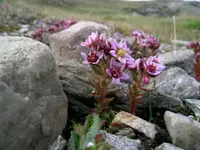
Hairy stonecrop, Sedum villosum, is a small, mat-forming succulent found in cool, damp habitats such as bogs, wet rocks, and tundra meadows. It is native to northern Europe and parts of the Arctic, where it forms low cushions of fleshy leaves covered in fine hairs.
The plant produces small star-shaped pink to reddish flowers that attract pollinators during the short growing season. Its compact size and shallow root system make it suitable for rock gardens, troughs, and detailed outdoor plantings.
Sedum villosum prefers bright light, cool conditions, and moist but free-draining, gritty soil. These traits, along with its slow growth, mean gardeners should learn how to care for hairy stonecrop before planting it in warmer climates.

Care Difficulty
Moderate Care

Light Preference
Partial Sun

Water Requirements
Keep Soil Moist

Temperature Preference
Cool Climate

Hardiness Zone
5–8

Soil Texture
Sandy, Loamy, Peaty

Soil pH
Acidic (5.5–6.5), Slightly acidic (6.5–7.0)

Soil Drainage
Moist but well-drained

Fertilization
Minimal (feed rarely)
Scan your plant to receive care tips personalized for your specific plant
Available on iOS and Android
This small alpine succulent prefers bright, cool conditions with moderate direct sun.
This moisture-tolerant sedum likes consistently damp but not waterlogged soil, especially in cool climates.
This species prefers cool conditions and tolerates significant cold when rooted in free-draining soil.
This sedum is highly tolerant of dry air, so humidity is rarely a concern.
Sedum villosum prefers very free-draining, sandy or gritty soil that prevents waterlogging around the roots.
This species is suitable for container growing, especially in shallow, wide pots or troughs.
Sedum villosum is adapted to nutrient-poor soils and usually needs little to no fertilizer in garden conditions.
Sedum villosum needs only light pruning to keep the mat compact and healthy.
This small, shallow-rooted sedum is usually transplanted or divided rather than repotted often.
Sedum villosum is commonly propagated by division, stem cuttings, and seeds.
This species is generally cold hardy in temperate climates and needs little special winter care outdoors.

Plant Health Check
Not sure what's wrong with your plant? Check your plant's health inside the app.
This species naturally occurs in cold, wet, nutrient-poor habitats such as raised bogs, peaty flushes, and wet heaths across northern and montane regions of Europe, which is unusual for a Sedum that is often associated with dry, rocky sites.
The leaves and young stems are covered in fine glandular hairs that give the plant a slightly sticky feel and a soft, downy appearance, an adaptation thought to help reduce water loss and protect tissues in exposed, windy sites.
Sedum villosum extends into subarctic and arctic zones, including parts of Iceland, Scandinavia, and northern Scotland, showing a notable tolerance for low temperatures and short growing seasons compared with many related stonecrops.
This species spreads slowly to moderately by short creeping stems and self-seeding, but it is not usually aggressive. It forms small patches rather than large mats and is easy to control with edging and occasional thinning.
Keep your plants happy and healthy with plant identification, disease detection, and easy care guidance.

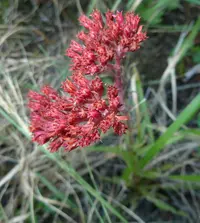
grassland red crassula
Crassula alba
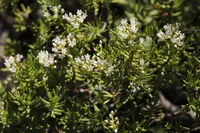
Crassula sarcocaulis subsp. rupicola
Crassula sarcocaulis subsp. rupicola
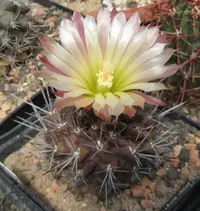
Eriosyce heinrichiana
Eriosyce heinrichiana
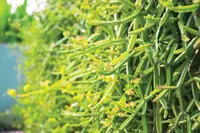
Veld Grape
Cissus quadrangularis
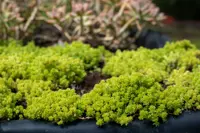
Tokyo Sun
Sedum japonicum
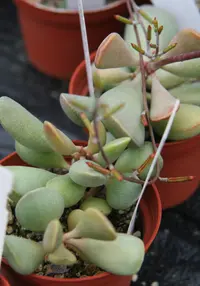
Adromischus liebenbergii
Adromischus liebenbergii
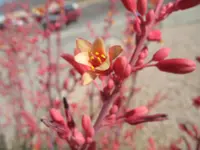
Red yucca
Hesperaloe parviflora
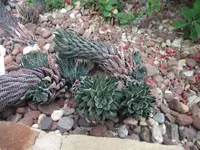
Haworthiopsis reinwardtii
Haworthiopsis reinwardtii