datilillo yucca Care (Yucca valida)

Also known as: tree yucca
datilillo yucca

About datilillo yucca

Datilillo yucca (Yucca valida) is a slow-growing succulent shrub or small tree from arid coastal and desert regions of northwestern Mexico. It forms sturdy, branching trunks topped with dense rosettes of stiff, narrow, blue-green leaves.

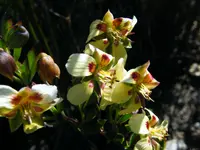
Mature plants produce tall flower spikes with clusters of white, bell-shaped blooms, adding strong architectural interest to dry gardens and xeriscapes. The plant’s tolerance of drought, poor soils, and high heat makes it relatively undemanding outdoors in suitable climates.

It prefers bright light, excellent drainage, and infrequent but deep watering, which aligns with its desert origin. These traits make it straightforward for those who learn how to care for datilillo yucca in conditions that avoid prolonged cold and excessive moisture.

Main Plant Requirements

Care Difficulty

Easy Care

Light Preference

Full Sun

Water Requirements

Low Water

Temperature Preference

Warm Climate

Hardiness Zone

9–11

Soil Texture

Sandy, Loamy, Rocky

Soil pH

Slightly acidic (6.5–7.0), Slightly alkaline (7.0–7.5)

Soil Drainage

Well-drained

Fertilization

Minimal (feed rarely)

Get Personalized Care Plan

Scan your plant to receive care tips personalized for your specific plant

Available on iOS and Android

How to Care for the datilillo yucca

Yucca valida prefers strong, direct light similar to its native desert habitat.

  • Provide 6–10 hours of full sun daily; morning and midday sun are ideal, with light afternoon shade in very hot regions.
  • The plant tolerates light partial shade, but datilillo yucca develops tighter, more compact growth and stronger leaf color in brighter exposure.
  • In summer, monitor for leaf scorch from reflected heat off walls or pavement; in winter, avoid deep shade from buildings or trees that cuts light for weeks.

Yucca valida is highly drought tolerant and needs infrequent, deep watering.

  • Outdoors in well-drained soil, water only when the top 5–8 cm is completely dry; in arid climates this may mean every 2–4 weeks in summer, less in cooler seasons.
  • Use sharply draining, gritty soil so excess water runs off quickly; standing water around the crown or roots leads to rot.
  • Overwatering shows as yellowing, mushy leaves and stem softening, while underwatering usually causes slow leaf tip browning and shriveling of older leaves.

This desert species handles heat well but needs protection from hard frost for reliable performance.

  • Optimal growth occurs around 70–90°F (21–32°C), with slower but acceptable growth down to about 55°F (13°C).
  • Mature plants tolerate brief drops to 20–25°F (-7 to -4°C) if soil is dry, but repeated hard frosts can damage leaf tips and young rosettes.
  • In hot spells above 100°F (38°C), airflow and non-reflective mulch help prevent root stress, while in winter colder regions may require planting in a sheltered, south-facing microclimate.

Yucca valida handles low humidity well and rarely needs special humidity control in homes.

  • Ideal humidity is 20–50%, similar to most heated indoor spaces in arid or temperate regions.
  • Dry air rarely harms datilillo yucca; leaf issues usually come from light, watering, or pests instead of humidity.
  • If leaf tips brown while humidity is below 20%, increase room humidity slightly with a bowl of water near the plant or a mild humidifier.

Yucca valida prefers fast-draining, mineral, and low-organic soil that mimics desert conditions.

  • Use a mix of roughly 50–70% coarse sand or grit with 30–50% cactus potting mix to create a lean, open structure.
  • Aim for slightly acidic to slightly alkaline pH, around 6.0–7.5, which most cacti and succulent mixes already provide.
  • Improve drainage and aeration by adding perlite, pumice, or small gravel so water passes through in a few seconds.
  • Avoid dense, peat-heavy, or clay-rich soils that stay wet, as these promote root and crown rot in this species.

This species is suitable for container growing when the pot supports its strong, upright form and dry-root needs.

  • Choose a deep, heavy pot that lowers the center of gravity so the tall rosette does not tip in wind or on balconies.
  • Select unglazed clay or terracotta if outdoor rainfall is frequent, since these materials accelerate evaporation from the root zone.
  • Set the container slightly raised on pot feet or bricks so drainage holes never sit in standing water after irrigation or storms.

Yucca valida grows well in lean soil but benefits from light feeding in containers or poor ground.

  • Use a balanced slow-release fertilizer (around 10-10-10) or well-aged compost at the start of spring for datilillo yucca.
  • Feed container plants every 6–8 weeks in spring–summer at 1/2 strength, following label directions.
  • Avoid high-nitrogen products that push soft, weak growth; focus on low to moderate nutrient levels.
  • Stop feeding in fall and winter when growth slows, especially in cooler indoor conditions.

Yucca valida needs only modest pruning to stay healthy and structurally sound.

  • Best time for pruning is late winter to early spring, before strong new growth begins.
  • Remove dead, diseased, or badly damaged leaves and stems with clean, sharp bypass pruners or a pruning saw.
  • Thin crowded heads by taking out entire stems at the base to control height and maintain a single or multi-trunk form.
  • Limit green leaf removal to avoid stressing the plant and to preserve its natural rosette shape and flowering potential.

Yucca valida is usually grown in the ground, with container plants needing infrequent repotting or careful transplanting.

  • Consider moving or up-potting when roots circle the pot, emerge from drainage holes, or growth slows despite good care.
  • Plan transplanting for late spring to early summer, when soil is warm and recovery is fastest.
  • Typical interval for container plants is every 3–5 years, stepping up only 1 pot size with very gritty, fast-draining mix.
  • Minimize root stress by watering 1–2 days before, handling the root ball gently, and shading the plant for several days after moving.

Yucca valida is commonly propagated from stem cuttings and offshoots rather than seeds for home growers.

  • Take stem or trunk cuttings in late spring–summer, allowing cut surfaces to dry and callus for several days.
  • Plant cuttings in a coarse, fast-draining mix, keeping temperatures around 70–80°F and moisture slightly dry between light waterings.
  • Separate basal offsets with a clean knife, leaving some roots attached, then pot individually and secure upright.
  • Seed propagation is possible but slow; provide warm conditions, sharp drainage, and bright light for germination and early growth.

Yucca valida is fairly cold tolerant in dry conditions but may need some winter protection in colder or wetter climates.

  • In-ground plants often handle light freezes, but prolonged wet cold increases rot risk.
  • Apply a 5–8 cm layer of gravelly mulch around, not against, the crown to insulate roots and improve drainage.
  • Wrap young trunks with breathable frost cloth during hard freezes to shield growing points.
  • Move container plants indoors or into a bright, unheated garage when temperatures drop well below the plant’s known hardiness limit.

Care Tips

Wind-hardening outdoors

If planting in a windy site, gradually expose young plants to stronger wind over 2–3 weeks so trunks develop thicker supportive tissue and are less likely to snap in storms.

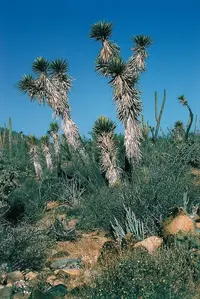
Rock mulch band

Create a 20–30 cm wide ring of coarse gravel or rocks around the base to stabilize soil temperature, keep the crown dry, and reduce splash that can spread fungal spores to lower leaves.

Strategic pup thinning

Thin crowded offsets by removing some outer pups at soil level every 2–3 years so the main rosettes receive better airflow and light, which helps reduce rot and scale infestations.

Safe trunk cleaning

When removing dead leaves from the trunk, cut them cleanly with bypass pruners instead of pulling, to avoid tearing the fibrous tissue and creating entry points for pests and decay.

Arid-site watering basin

In very dry climates, form a shallow donut-shaped basin 40–60 cm from the stem so occasional deep irrigation infiltrates to the main root zone without collecting directly at the crown, which is useful when caring for datilillo yucca in exposed landscapes.

Common Pests and Diseases

Yucca moth larvae

This pest is the larval stage of the yucca moth that bores into the flowering stalk and seed pods, damaging developing seeds and weakening the inflorescence. Symptoms include small entry holes, frass, and distorted or drying flower stalks.

Solution

Prune and dispose of affected flower stalks and pods before larvae complete development, placing all removed material in sealed bags and discarding it off-site. Encourage natural predators by avoiding broad-spectrum insecticides, and if damage is heavy and seed production is not needed, promptly remove spent inflorescences to reduce breeding sites.

Scale insects

These insects attach to leaves and stems, appearing as small, rounded or oval bumps that suck plant sap and can cause yellowing, loss of vigor, and sticky honeydew. This pest may colonize the lower leaves and trunk, especially on stressed or container-grown plants.

Solution

Physically remove scales by rubbing them off with a soft cloth or brush dipped in soapy water or isopropyl alcohol, focusing on leaf bases and along the trunk. For ongoing issues, use repeated applications of a light horticultural oil, ensuring good coverage while avoiding treatment in full, hot sun to prevent leaf burn.

Mealybugs

These insects form cottony white clusters in leaf axils and along the stem, feeding on sap and weakening the plant. Symptoms include sticky honeydew, sooty mold growth, and distorted new growth in container or indoor specimens.

Solution

Isolate infested plants, then dab visible mealybugs with cotton swabs dipped in isopropyl alcohol and wipe affected areas thoroughly. Follow with regular inspections and, if needed, apply a gentle insecticidal soap or horticultural oil to hidden colonies, repeating every 7–10 days until populations decline, which supports datilillo yucca indoor care in the long term.

Leaf spot (fungal)

This disease causes brown to dark purple spots on leaves, sometimes with a yellow halo, which may merge into larger blotches under prolonged humidity. Symptoms include premature leaf yellowing and a generally stressed appearance, especially in shaded, poorly ventilated conditions.

Solution

Remove and discard affected leaves and any debris around the base to lower the source of fungal spores. Improve sun exposure and air movement, avoid overhead watering, and if the problem persists in wet periods, apply a labeled copper-based or other yucca-safe fungicide according to directions.

Crown and stem rot

This disease develops when the plant is kept in poorly drained soil or chronically overwatered, leading to soft, discolored tissue at the crown or along the stem. Symptoms include a foul smell, plant wobbling at the base, and progressive collapse of the rosette or trunk.

Solution

At the first signs, drastically reduce watering and improve drainage by amending the soil with mineral grit or relocating container plants to a fast-draining mix. Cut away soft, rotted tissue back to firm, healthy tissue with sterile tools, dust cuts with a dry fungicidal powder or sulfur, and keep the plant in a dry, well-aired, sunny location while it recovers.

Interesting Facts

Baja California specialist

This species is naturally restricted to arid, rocky slopes of Baja California Sur in Mexico, where it forms part of open desert scrub communities adapted to very low rainfall and high solar radiation.

Thickened blue-green leaves

Mature plants develop stiff, thick, blue‑green leaves with a waxy surface layer that reduces water loss and reflects intense sunlight, a key adaptation to its desert habitat.

Massive woody trunk

Over time this species develops a sturdy, tree‑like trunk that stores water and supports large rosettes of foliage, allowing it to survive prolonged dry periods and episodic rains typical of its native range.

FAQs about datilillo yucca

Brown tips usually come from low humidity, underwatering, or salt buildup from fertilizer. Flush the soil thoroughly, adjust watering so it dries slightly between waterings, and trim only the dead, crispy parts with clean scissors.

Grow Healthy Plants with Botan Care

Keep your plants happy and healthy with plant identification, disease detection, and easy care guidance.

Botan plant care app — identify plants on mobile

Explore More Plants