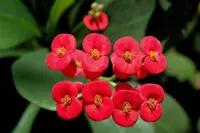
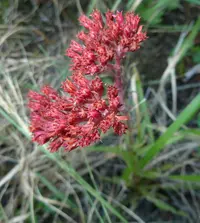
Thin Twinleaf Care (Roepera flexuosa)

Thin Twinleaf

About Thin Twinleaf

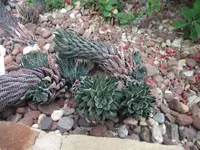
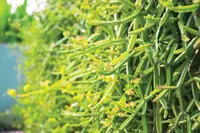
Thin twinleaf, Roepera flexuosa, is a small perennial from arid and semi-arid regions of southern Africa. It forms low, branching clumps with slender, finely divided leaves. The foliage gives the plant a delicate, airy look despite its toughness.

This species is adapted to dry, sunny habitats and often grows in rocky or sandy soils. It is drought tolerant once established, but sensitive to prolonged waterlogging. These traits make it relatively easy to grow in well-drained soil and bright light, provided excess moisture is avoided.

Gardeners who want to learn how to care for Thin Twinleaf should focus on good drainage, moderate watering, and plenty of sun, especially in low-rainfall climates.

Main Plant Requirements

Care Difficulty

Easy Care

Light Preference

Full Sun

Water Requirements

Low Water

Temperature Preference

Warm Climate

Hardiness Zone

9–11

Soil Texture

Sandy, Loamy, Rocky

Soil pH

Slightly alkaline (7.0–7.5)

Soil Drainage

Well-drained

Fertilization

Minimal (feed rarely)

Get Personalized Care Plan

Scan your plant to receive care tips personalized for your specific plant

Available on iOS and Android

How to Care for the Thin Twinleaf

Roepera flexuosa thrives in bright, open conditions with strong sun exposure.

  • Provide 6–8 hours of direct sun daily, ideally full morning and midday sun in open ground or dry rockery sites.
  • Plant tolerates light afternoon shade, but dense shade reduces flowering and causes weak, elongated growth over time.
  • In very hot inland summers, protect from reflected heat and extreme afternoon scorch; in winter, ensure an unshaded position so Thin Twinleaf receives maximum low-angle sun.

This species is drought-adapted and prefers infrequent, deep watering once established.

  • Allow soil to dry completely between waterings; in sandy or rocky soil, this often means waiting until the top 5–8 cm feels dry and loose.
  • During hot, dry seasons, water thoroughly, then let excess drain away; reduce or stop irrigation in cool or rainy periods to prevent root rot.
  • Watch plant signals: limp, shriveling stems suggest prolonged drought stress, while yellowing, soft growth and sour-smelling soil indicate overwatering in Roepera flexuosa.

This desert-adapted shrub prefers warm, dry climates and tolerates notable heat once established.

  • Optimal growth occurs around 70–90°F (21–32°C), especially in sunny, low-humidity conditions typical of arid and semi-arid regions.
  • Mature plants usually tolerate down to about 25–28°F (-4 to -2°C); brief light frosts are survived, but hard freezes may damage young growth.
  • In heat waves above 100°F (38°C), the plant generally copes if soil is very well drained; avoid sudden extra watering in hot evenings to reduce stress and potential root problems.

Humidity is not a major factor for this arid-adapted species, which thrives in 20–40% relative humidity typical of dry indoor air when caring for Thin Twinleaf.

  • Tolerates very dry air well and does not require misting or humidifiers.
  • Watch for soft, rotting stems or moldy soil, which indicate humidity is too high rather than too low.
  • Increase air movement around the plant with a small fan or open window if grown in a very humid room.

Roepera flexuosa prefers very free-draining, mineral soils that mimic dry, rocky habitats.

  • Use a sandy or gritty mix with little organic matter, such as 50–60% coarse sand or fine gravel blended with 40–50% cactus mix.
  • Ensure extremely sharp drainage; water should pass through the pot within seconds, leaving no soggy areas.
  • Aim for slightly alkaline to neutral pH around 7.0–8.0, which suits its natural range in calcareous, lime-rich substrates.
  • Avoid peat-heavy, compact, or clay-based mixes; incorporate coarse sand, pumice, or fine gravel to improve aeration and prevent root rot.

This species is suitable for container growing if the pot and substrate stay very free-draining.

  • Choose a wide, shallow container to match the relatively shallow root system and reduce water retention depth.
  • Select an unglazed clay pot if extra evaporation is needed in wetter climates, as it helps keep the mix dry between waterings.
  • Elevate the pot on feet or mesh so drainage holes never sit in collected water, preventing prolonged saturation at the base.

Roepera flexuosa is adapted to poor, sandy soils and usually needs minimal feeding when grown in the ground.

  • In containers, use a diluted balanced liquid fertilizer (around 10-10-10 NPK at 1/4–1/2 strength) during active growth.
  • Feed every 4–6 weeks in spring and summer only; skip feeding in winter dormancy.
  • Apply a light top-dressing of compost once a year if soil is very low in organic matter.
  • When caring for Thin Twinleaf in pots, ensure excellent drainage so nutrients do not accumulate and burn roots.

Roepera flexuosa benefits from light, targeted pruning rather than heavy cutting back.

  • Carry out main pruning in late winter or early spring before strong new growth starts.
  • Remove dead, damaged, or crossing stems first to maintain airflow and reduce disease risk.
  • Thin crowded interior shoots to keep a balanced, open form and support healthy growth.
  • Use clean, sharp hand pruners to make angled cuts just above a node or branch junction.

This species is more often planted outdoors than grown in containers, so most work involves careful transplanting rather than frequent repotting.

  • Transplant in late winter or early spring when temperatures are mild and growth is just resuming.
  • Look for signs like roots circling the pot, water running off quickly, or noticeably slowed growth before repotting container plants.
  • Shift to only 1 pot size larger, using a sharply draining mix, and keep the root ball as intact as possible.
  • Water thoroughly after moving, then keep soil slightly moist but not wet for 1–2 weeks to limit transplant shock.

Roepera flexuosa is usually propagated by seed, with some growers also using semi-ripe cuttings.

  • Sow fresh seed in late winter or early spring in a fast-draining, sandy mix kept lightly moist.
  • Provide bright light, good air movement, and moderate temperatures around 65–75°F for germination.
  • Take semi-ripe stem cuttings in late spring or summer, 7–10 cm long with several nodes.
  • Insert cuttings into gritty mix, apply rooting hormone if available, and maintain high humidity without waterlogging.

Established Roepera flexuosa plants are fairly cold tolerant in mild to warm climates and often need little specific winter care.

  • In regions with light frost, apply a thin mulch layer around the root zone, avoiding direct contact with stems.
  • Container plants are more exposed; move them to a sheltered position such as a cold greenhouse or unheated garage.
  • Ensure soil drains well through winter, since cold, saturated conditions are more damaging than brief chill.

Care Tips

Salinity management

In arid or coastal gardens, periodically leach the root zone with a deep, slow irrigation to flush accumulated salts, especially if using bore water or hard tap water.

Low-input weed control

Use a thin, coarse mineral mulch such as gravel around the base to suppress weeds while avoiding organic mulches that retain excess moisture around the crown.

Shape retention pruning

After main flowering, lightly tip-prune only the soft new growth to maintain a compact, rounded form without removing next season’s flowering wood.

Stress-aware propagation

Take semi-ripe cuttings from non-flowering shoots after peak bloom, and keep them in a sharply draining, mostly mineral mix to reduce rot losses when growing Thin Twinleaf.

Heatwave adjustment

During prolonged heatwaves combined with hot winds, provide temporary shade cloth and one extra deep watering cycle to reduce foliage scorch and fine-branch dieback.

Common Pests and Diseases

Scale insects

This pest feeds on stems and leaves, causing yellowing, stunting, and sooty mold development on the thin, jointed foliage. Symptoms include small, dome-shaped brown or gray bumps that are difficult to dislodge with a finger nail.

Solution

Prune out heavily infested stems, then wipe remaining scale with cotton pads dipped in isopropyl alcohol or use a firm spray of water to dislodge crawlers. For persistent infestations on outdoor plants, use a light horticultural oil spray in mild weather, ensuring thorough coverage of stems and joints while avoiding application in high heat above 85°F.

Mealybugs

This pest appears as white, cottony clusters tucked into stem joints and under leaves, where it sucks sap and can cause leaf drop and weak, sparse growth. Honeydew excreted by the insects can lead to black sooty mold on stems and nearby surfaces.

Solution

Isolate affected plants, then remove visible clusters with a cotton swab dipped in isopropyl alcohol and rinse the plant gently with lukewarm water. In outdoor plantings, encourage natural predators such as lady beetles and apply insecticidal soap to all plant surfaces every 7–10 days until new growth emerges clean.

Red spider mites

These insects thrive on thin, succulent stems in hot, dry conditions, leading to pale, stippled foliage and fine webbing between stems and joints. This pest can cause gradual decline and leaf drop if not checked early.

Solution

Increase humidity around container plants, regularly hose down stems with a strong but non-damaging stream of water, and remove severely affected portions. For ongoing problems, apply insecticidal soap or a labeled miticide, repeating at 5–7 day intervals to interrupt the life cycle while keeping the plant out of direct intense sun after treatment.

Powdery mildew

This disease produces a white, powdery coating on stems and any leafy segments, often in conditions with warm days, cool nights, and limited air movement. Affected tissue may yellow, distort, or dry back, reducing the plant’s vigor.

Solution

Improve air circulation by thinning crowded stems and avoiding overhead watering late in the day, then remove and discard infected material. If needed, apply a sulfur or potassium bicarbonate fungicide labeled for ornamental succulents, treating early in the infection and repeating as directed while monitoring new growth closely as part of broader Roepera flexuosa plant care.

Interesting Facts

Southern African origins

This species is native to arid and semi-arid regions of southern Africa, particularly Namibia and South Africa, where it typically grows on stony, well-drained soils in open, sunny habitats.

Succulent leaf adaptation

Its narrow, somewhat succulent leaves store water and reduce surface area, which helps limit water loss through transpiration in hot, dry environments.

Drought-tolerant shrub

The plant forms a small, woody, many-branched shrub that can survive extended dry periods, relying on its succulent tissues and deep root system to access and conserve moisture.

FAQs about Thin Twinleaf

Lack of flowers usually comes from insufficient light, too much nitrogen-rich fertilizer, or plants that are still immature. Ensure strong sun, lean well-drained soil, and avoid heavy feeding. Drought stress during bud formation can also reduce blooming.

Grow Healthy Plants with Botan Care

Keep your plants happy and healthy with plant identification, disease detection, and easy care guidance.

Botan plant care app — identify plants on mobile

Explore More Plants