Crassula strigosa Care

Crassula strigosa

About Crassula strigosa

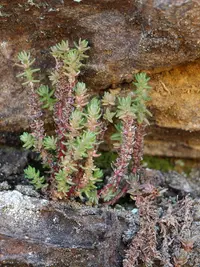
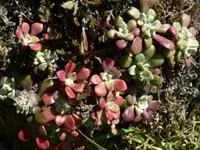
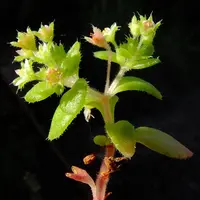
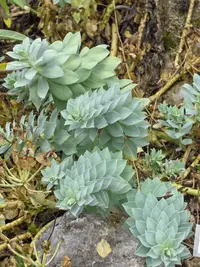
Crassula strigosa is a small succulent shrub with compact, branching stems and fleshy, opposite leaves that often develop red edges in strong light. It stays relatively low and forms a tidy, architectural clump over time.

This species is native to arid areas of southern Africa, where it has adapted to intense sun and limited rainfall. Those drought-tolerant traits make it suitable for containers, rock gardens, and bright indoor spots.

Due to its slow growth, modest size, and low water needs, many growers find it straightforward to manage once its basic needs are understood. Bright light, infrequent watering, and sharply draining soil are the main points to remember when learning how to care for Crassula strigosa.

Main Plant Requirements

Care Difficulty

Easy Care

Light Preference

Full Sun

Water Requirements

Low Water

Temperature Preference

Warm Climate

Hardiness Zone

10–11

Soil Texture

Sandy, Loamy, Rocky

Soil pH

Slightly acidic (6.5–7.0), Neutral (7.0)

Soil Drainage

Well-drained

Fertilization

Minimal (feed rarely)

Get Personalized Care Plan

Scan your plant to receive care tips personalized for your specific plant

Available on iOS and Android

How to Care for the Crassula strigosa

This compact succulent prefers bright, dry conditions with several hours of direct light each day.

  • Provide 4–6 hours of direct morning sun with bright, filtered light the rest of the day to support compact, colorful growth in Crassula strigosa.
  • It tolerates light afternoon sun in mild climates but benefits from protection (sheer curtain, light shade cloth) from harsh midday summer sun to prevent leaf scorch.
  • In regions with low winter light, move plants to the brightest south- or west-facing exposure to prevent stretching and dull, pale foliage.

This drought-tolerant succulent stores moisture in its leaves and needs infrequent, careful watering.

  • Water only when the top 3–5 cm (1–2 in) of soil is completely dry, then soak thoroughly and let excess drain away from the roots.
  • During active growth in spring and summer, expect to water more often, but in fall and winter reduce frequency sharply, sometimes to once every few weeks.
  • Watch for signs: soft, mushy or translucent leaves indicate overwatering and poor drainage, while very wrinkled, deflated leaves suggest the plant is too dry.

This species prefers warm, dry conditions and does not tolerate hard frost.

  • Aim for 65–80°F (18–27°C) during active growth for steady, compact development and reduced risk of rot.
  • Protect plants whenever temperatures approach 35–40°F (2–4°C), since prolonged exposure near freezing can damage tissues even without visible frost.
  • In hot summers above 90°F (32°C), give light shade and increased air movement; avoid placing plants next to heat-reflecting walls or metal surfaces that can overheat roots.

This succulent tolerates typical indoor humidity and rarely needs special adjustments.

  • Aim for 30–50% humidity, similar to most heated or air-conditioned homes.
  • Dry air is usually acceptable; problems arise more from excess moisture around leaves than from low humidity.
  • If air is extremely dry and leaf tips shrivel, place the pot near other plants or on a pebble tray without wetting the foliage.

Crassula strigosa grows best in a sharply draining, mineral-rich mix that dries quickly between waterings.

  • Use a gritty, sandy mix with 50–70% mineral content such as pumice, coarse perlite, or horticultural grit combined with cactus potting soil.
  • Ensure very fast drainage to prevent root rot; water should run through the pot in seconds, not linger on the surface.
  • Aim for slightly acidic to neutral pH around 6.0–7.0, which suits most commercial cactus or succulent mixes.
  • Avoid heavy, peat-rich, or clayey soils; lighten them with extra perlite, pumice, or coarse sand to improve aeration and prevent compaction.

This species is well suited to container growing, including small pots and dish gardens.

  • Choose a shallow but wide pot to match its spreading habit and keep the root zone from staying wet too deep in the container.
  • Unglazed terracotta helps excess moisture evaporate faster, which supports Crassula strigosa care in humid or cool climates.
  • Use a pot with large, unobstructed drainage holes so water exits quickly and does not pool at the base of the roots.

This succulent needs only light feeding to maintain compact, healthy growth.

  • Use a balanced liquid fertilizer (for example 10-10-10) diluted to 25–50% strength, or a very small amount of slow-release succulent fertilizer.
  • Feed Crassula strigosa once in mid-spring and once in midsummer during active growth, skipping applications in low light or poor conditions.
  • Avoid fertilizing in fall and winter, when growth slows, to reduce weak, stretched tissue and root burn risk.

Pruning is mainly used to refine shape and remove weak growth on this compact succulent.

  • Lightly trim Crassula strigosa in spring or early summer, when it resumes active growth and recovers fastest.
  • Use clean, sharp scissors or small pruning snips to remove dead, damaged, or shriveled stems and leaves at the base.
  • Pinch or cut back leggy, stretched shoots to encourage branching and a tighter, more symmetrical mound.
  • Do not remove large amounts of healthy tissue at once, as excessive pruning can slow growth and stress the plant.

This species prefers slightly snug containers and infrequent repotting in very free-draining soil.

  • Consider repotting Crassula strigosa every 2–3 years when roots circle the pot, emerge from drainage holes, or growth becomes noticeably slower.
  • Repot in spring, using a gritty cactus and succulent mix in a container only 2–3 cm wider than the previous one.
  • Water lightly 1–2 days before repotting, then gently loosen the root ball, remove dead roots, and keep as much healthy root as possible.
  • After repotting, wait 3–5 days before the first light watering to let any root or stem wounds dry and reduce rot risk.

This plant is commonly multiplied from stem or leaf cuttings taken in the growing season.

  • In late spring to summer, take healthy, non-flowering stem cuttings from Crassula strigosa, 5–8 cm long, with several leaves.
  • Allow cut ends or individual leaves to dry and callus for 1–3 days in a shaded, airy spot before planting.
  • Place cuttings in a barely moist, very gritty succulent mix, keeping them in bright, indirect light at 68–77°F.
  • Water sparingly until roots form, then gradually increase light and watering frequency to match established plant care.

This succulent dislikes prolonged freezing and benefits from simple winter precautions in cold climates.

  • Treat Crassula strigosa as tender; aim to keep temperatures above 40°F, avoiding hard frost and icy winds.
  • In regions with frost, grow in containers and move plants indoors or into a bright, cool greenhouse before the first freeze.
  • Indoors, place near a bright window, reduce watering, and ensure good air circulation to limit rot and fungal issues.
  • For in-ground plants in mild zones, use a light mineral mulch around the root zone to improve drainage through winter rain.

Care Tips

Encourage Compact Shape

Rotate the pot 90° every 1–2 weeks and lightly pinch back overly long stems in spring to keep the plant dense and prevent uneven, stretched growth.

Seasonal Light Shift

In late fall, move the plant to the brightest safe spot available to compensate for weaker winter light and maintain strong color and firm leaves.

Targeted Pest Checks

Inspect leaf joints and the undersides of lower leaves every 2–3 weeks with a hand lens so mealybugs or spider mites are caught early and can be removed with a cotton swab dipped in 70% isopropyl alcohol.

Controlled Pot Sizing

Use only a slightly larger pot (1–3 cm wider) when repotting so roots fill the container steadily and excess, unused soil does not stay wet around the root ball.

Dry Rest Management

In winter, allow a longer dry period between waterings and keep air movement gentle but consistent to reduce rot risk while growing Crassula strigosa in cooler indoor conditions.

Common Pests and Diseases

Mealybugs

This pest often hides in leaf axils and along stems, sucking sap and causing distorted, slowed growth and sticky honeydew deposits. Symptoms include cottony white clusters that are easy to overlook on the compact foliage.

Solution

Isolate the plant, then dab visible insects with cotton swabs dipped in 70% isopropyl alcohol and gently wipe affected areas. Improve light and airflow, repeat alcohol treatments weekly until no new insects appear, and use a labeled systemic insecticide for succulents if infestations persist.

Soft scale

These insects attach firmly to stems and leaf undersides, appearing as small tan or brown bumps that exude honeydew and can lead to sooty mold on the fleshy leaves. Symptoms include dull, sticky foliage and gradual vigor loss.

Solution

Manually scrape or wipe off scale with a soft cloth or cotton swab dipped in 70% isopropyl alcohol, focusing on stem joints. After cleanup, apply a light horticultural oil spray labeled for succulents, ensuring good coverage while avoiding treatment during intense direct sun to prevent leaf burn.

Spider mites

This pest favors dry, warm indoor conditions and can cause fine stippling, pale patches, and very fine webbing between the small leaves. Symptoms include a dusty look to foliage and slowed growth on tight rosettes and stems.

Solution

Rinse the plant thoroughly under a gentle stream of lukewarm water, focusing on leaf undersides and congested growth, then allow it to dry in bright, indirect light. Increase humidity slightly, improve airflow, and use a horticultural soap or miticide labeled for ornamental succulents, repeating treatments every 7–10 days until new growth appears clean.

Fungal leaf spots

This disease appears as small, dark, often circular lesions on the thick leaves, sometimes with a yellow or translucent halo when moisture lingers on the foliage. Symptoms include blemished leaves that may eventually shrivel and drop from the compact stems.

Solution

Remove and discard affected leaves, then adjust watering so foliage stays dry and the plant receives strong, indirect light that allows the soil to dry between waterings. Improve air circulation, avoid overhead watering, and if spots continue to spread, apply a copper-based or other broad-spectrum fungicide suitable for succulents, following label directions for Crassula strigosa care instructions.

Edema

This physiological disorder develops when roots take up water faster than the leaves can transpire it, leading to small corky, rough, or blistered patches on the succulent leaves. Symptoms include localized raised spots that later turn tan or brown but usually do not spread like an infection.

Solution

Allow the soil to dry more thoroughly between waterings, especially in cool or low-light conditions, and ensure the pot has sharp drainage. Provide stable temperatures, strong light, and avoid sudden shifts from very dry to very wet soil to prevent new edema lesions from forming on young growth.

Interesting Facts

Woolly leaf coating

The small gray‑green leaves are covered in short hairs that create a felted surface, which helps reduce water loss and protects tissues from intense sunlight in its native habitats.

Compact mat-forming habit

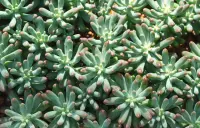
Instead of growing tall, this species forms dense, low cushions or mats, a growth form that stabilizes shallow, rocky substrates and shades its own roots in exposed sites.

Distinctive red coloration

In strong light and mild stress, the leaf margins and sometimes whole leaves develop a deep red tint due to increased anthocyanin pigments, which act as natural sunscreens for the plant.

FAQs about Crassula strigosa

This species is a slow to moderate grower. Under good light and proper watering, expect only a few centimeters of new growth per year, forming a compact clump rather than rapidly increasing in height or spread.

Grow Healthy Plants with Botan Care

Keep your plants happy and healthy with plant identification, disease detection, and easy care guidance.

Botan plant care app — identify plants on mobile

Explore More Plants