Controlled stem pruning
Pinch or cut back elongated, leaf-poor tips in late spring to encourage denser branching and to keep plants compact in small containers.

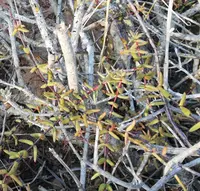
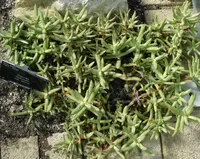
Louhout stonecrop, Crassula subaphylla, is a compact succulent shrublet valued for its fine, branching stems and small, fleshy leaves. It typically forms a tidy, rounded clump that develops a slightly woody base with age.
This species is native to arid regions of South Africa, where it grows in rocky, well-drained habitats with intense sun and limited rainfall. Its drought tolerance and slow, manageable growth make it suitable for containers, rock gardens, and indoor succulent collections.
The plant generally prefers bright light, infrequent watering, and gritty soil, which simplifies how to care for Louhout Stonecrop for most home growers.

Care Difficulty
Easy Care

Light Preference
Full Sun

Water Requirements
Low Water

Temperature Preference
Tropical / Frost Sensitive

Hardiness Zone
10–11

Soil Texture
Sandy, Loamy, Rocky

Soil pH
Slightly acidic (6.5–7.0), Neutral (7.0)

Soil Drainage
Well-drained

Fertilization
Minimal (feed rarely)
Scan your plant to receive care tips personalized for your specific plant
Available on iOS and Android
Crassula subaphylla prefers bright conditions that mimic open, rocky habitats with strong light and good air movement.
Crassula subaphylla needs infrequent, deep watering with thorough drying between each soak to prevent root problems.
This species prefers mild, dry conditions and does best when protected from hard frost and prolonged extreme heat.
This succulent tolerates typical indoor humidity and rarely needs adjustment.
Crassula subaphylla prefers a sharply draining, mineral-rich substrate that dries quickly between waterings.
This species is well suited to container growing, including small patio pots and dish gardens.
Crassula subaphylla has modest nutrient needs, so light feeding is sufficient for healthy growth.
Pruning Crassula subaphylla is helpful for maintaining a compact, branching form and removing weak growth.
Container-grown Crassula subaphylla benefits from infrequent repotting to refresh soil and manage root health.
Crassula subaphylla is commonly propagated from stem cuttings, which root reliably in warm, dry conditions.
Crassula subaphylla is frost-sensitive and needs protection in regions with freezing winters.

Plant Health Check
Not sure what's wrong with your plant? Check your plant's health inside the app.
This species develops conspicuously segmented, cylindrical stems that can become zigzagged with age, a feature that helps distinguish it from many other small South African Crassula species.
It is naturally adapted to the winter-rainfall climate of the Western and Eastern Cape in South Africa, growing mainly in the cooler, wetter months and slowing down or resting during the hot, dry summer period.
The plant often carries very narrow, somewhat reduced leaves along its stems, a drought-adaptive trait that lowers surface area and limits water loss in its rocky, arid habitats, which is a key detail in Crassula subaphylla care instructions.
Slow growth usually comes from low light, cool temperatures, or depleted nutrients. Check that the plant is not rootbound, repot if necessary, then resume light, balanced feeding during active growth instead of expecting rapid change in winter.
Keep your plants happy and healthy with plant identification, disease detection, and easy care guidance.