Encourage Compact Growth
Pinch back soft new shoots after flowering to keep plants dense, reduce legginess, and maintain a low, mounding form ideal for rock gardens and containers.

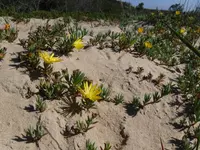
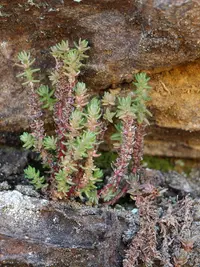
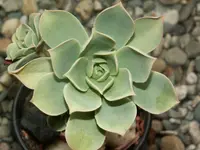
Sandveld brightfig, Lampranthus explanatus, is a compact, mat-forming succulent from the arid Sandveld regions of South Africa. It belongs to the Aizoaceae, a family of many drought-adapted, sun-loving plants.
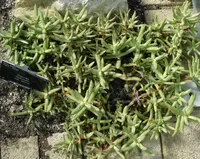
Its narrow, fleshy leaves store water, and the plant is covered in bright daisy-like flowers that often open fully in strong light. Growth is usually low and spreading, making it suitable for rock gardens, gravel beds, and sunny containers.
This species favors very well-drained, sandy soil, strong light, and sparing moisture, especially in cool seasons. These traits make it relatively easy for those who want to learn how to care for Sandveld Brightfig, provided overwatering is avoided.

Care Difficulty
Moderate Care

Light Preference
Full Sun

Water Requirements
Low Water

Temperature Preference
Tropical / Frost Sensitive

Hardiness Zone
10–11

Soil Texture
Sandy, Loamy, Rocky

Soil pH
Slightly acidic (6.5–7.0), Neutral (7.0)

Soil Drainage
Well-drained

Fertilization
Minimal (feed rarely)
Scan your plant to receive care tips personalized for your specific plant
Available on iOS and Android
Lampranthus explanatus is a sun-loving succulent that flowers best in bright, direct light.
This succulent stores water in its leaves and needs infrequent, careful watering.
This species prefers warm, dry conditions and does poorly in prolonged cold or frost.
Humidity is rarely a concern for this drought-adapted succulent.
This succulent needs very fast-draining, mineral-based soil to prevent root rot.
This species is well suited to container growing, particularly in sunny patios or rock-garden pots.
Lampranthus explanatus is adapted to lean, sandy soils and needs only light feeding in cultivation.
Pruning Lampranthus explanatus helps maintain a compact, flowering mat and prevents woody gaps.
This shallow-rooted succulent dislikes disturbance, so repotting or transplanting should be infrequent and gentle.
Lampranthus explanatus is most often propagated from stem cuttings, which root quickly under the right conditions.
This plant prefers mild, dry winters and is only moderately tolerant of frost.

Plant Health Check
Not sure what's wrong with your plant? Check your plant's health inside the app.
This species is naturally restricted to sandy, quartz-rich Sandveld habitats of the Western Cape in South Africa, where it grows in open, low shrubland with winter rainfall and hot, dry summers.
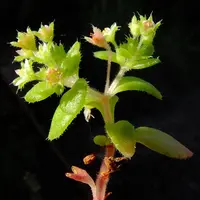
Its daisy-like flowers have a distinctive coppery to bright orange tone that can shift slightly with temperature and light, making it visually different from many magenta- or pink-flowering Lampranthus relatives.
The plant forms low, branching mats with smooth, fleshy, cylindrical leaves that store water and reduce surface area, an adaptation that improves survival in its arid, nutrient-poor native soils.
Poor flowering usually comes from insufficient light, excessive nitrogen fertilizer, or old, unpruned stems. Ensure very bright exposure, use a balanced or low-nitrogen feed, and lightly trim after flowering to stimulate new, flower-producing growth.
Keep your plants happy and healthy with plant identification, disease detection, and easy care guidance.