Bihair Stonecrop Care (Crassula subulata)

Bihair Stonecrop

About Bihair Stonecrop

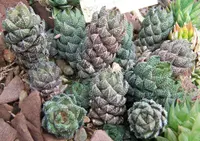
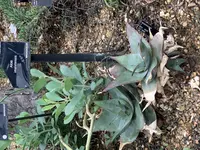
Bihair stonecrop, Crassula subulata, is a compact succulent shrub with small, narrow leaves and a dense, branching habit. Stems often become semi-woody with age and can trail or form low mounds.

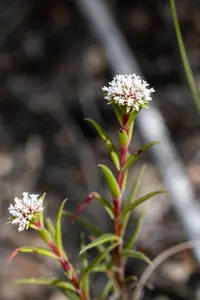
The foliage is usually green with reddish tints in strong light, and small star-shaped flowers may appear in clusters. It is native to South Africa, where it grows in sunny, dry habitats with fast-draining soils.

This species is generally easy to grow for indoor and outdoor succulent collections when given strong light and good drainage. Understanding how to care for Bihair Stonecrop mainly involves avoiding overwatering and providing plenty of brightness.

Main Plant Requirements

Care Difficulty

Easy Care

Light Preference

Full Sun

Water Requirements

Low Water

Temperature Preference

Warm Climate

Hardiness Zone

9–11

Soil Texture

Sandy, Loamy, Rocky

Soil pH

Slightly acidic (6.5–7.0), Slightly alkaline (7.0–7.5)

Soil Drainage

Well-drained

Fertilization

Minimal (feed rarely)

Get Personalized Care Plan

Scan your plant to receive care tips personalized for your specific plant

Available on iOS and Android

How to Care for the Bihair Stonecrop

This succulent prefers bright light with some protection from harsh midday sun.

  • Provide 4–6 hours of direct morning sun, then bright indirect or lightly filtered light for the rest of the day to keep foliage compact and colorful.
  • Tolerates light partial shade, but growth may stretch and leaf color fades if it receives less than 3–4 hours of strong light daily.
  • In very hot summers, especially for Bihair Stonecrop, protect from intense afternoon sun to prevent leaf scorch and dry, bleached patches.

Water this succulent sparingly, allowing the soil to dry well between waterings.

  • Water only when the top 3–5 cm of soil are completely dry; in warm growing seasons this may mean roughly every 7–14 days, but always check the soil first.
  • Use a very free-draining, gritty mix so water runs through quickly and roots do not sit in soggy soil, which promotes root rot in Crassula subulata.
  • Reduce watering sharply in cool or low-light periods; prune back if leaves turn mushy or translucent (overwatering) and water a bit sooner if leaves wrinkle and feel very soft (underwatering).

This plant prefers warm, dry conditions and is sensitive to hard frost.

  • Aim for an active growth range of 65–80°F (18–27°C), where the plant forms dense, healthy shoots and recovers well after watering cycles.
  • Protect from temperatures below 30–32°F (-1–0°C); light frost may damage leaf tips, and repeated freezing can kill stems and roots.
  • Tolerates short heat waves up to about 95°F (35°C) if shaded from strong afternoon sun and given good airflow, but growth slows in very hot, humid conditions.

This species tolerates typical indoor humidity and rarely needs special humidity management.

  • Ideal humidity is 30–50%, matching most heated homes without extra measures.
  • Dry air is usually tolerated, but prolonged <25% can cause leaf tip browning and faster leaf drop.
  • If air is very dry, increase humidity slightly by placing the pot near, not on, a pebble tray rather than misting Bihair Stonecrop.

Crassula subulata prefers a very free-draining, mineral-rich substrate that dries quickly between waterings.

  • Use a cactus or succulent mix amended with extra mineral grit, such as 30–50% pumice, perlite, or coarse sand.
  • Aim for a slightly acidic to neutral pH of 6.0–7.0, which supports nutrient availability without encouraging rot.
  • Create an open texture with visible coarse particles so water drains in seconds, not minutes, after thorough watering.
  • Avoid dense peat-heavy mixes, unamended garden soil, or any medium that stays wet or compresses around the roots.

This succulent is very suitable for container growing, both indoors and outdoors in mild climates.

  • Choose a shallow or low-profile pot to match its relatively shallow root system and reduce excess wet substrate volume.
  • Select unglazed terracotta if extra evaporation is needed, or glazed ceramic in very hot, dry climates to slow moisture loss.
  • Use a pot width that allows lateral spreading while leaving 2–3 cm of bare mix around the plant to reduce edge desiccation.

Crassula subulata is a light feeder, so use modest fertilization to support compact, healthy growth.

  • Apply a diluted balanced liquid fertilizer (for example 10-10-10 at 1/4–1/2 strength) every 4–6 weeks in spring and summer.
  • Choose formulations for succulents or cactus, or use a small amount of fine, well-rotted compost mixed into the topsoil.
  • Skip feeding in late fall and winter when growth slows to avoid weak, stretched stems on Bihair Stonecrop.
  • Water lightly before and after applying fertilizer to reduce root burn in this drought-adapted species.

Pruning supports tidy form and branching in Crassula subulata without being intensive.

  • Carry out light pruning in late winter or early spring before strongest growth begins.
  • Use clean, sharp scissors or small pruning shears to remove dead, damaged, or overly leggy stems.
  • Pinch or cut back long shoots above a node to encourage bushier, compact growth and more flowering tips.
  • Avoid removing more than 1/3 of the foliage at one time to limit stress on the plant.

This species grows well slightly pot-bound, so repotting is infrequent but sometimes necessary.

  • Check for roots circling the pot, pushing through drainage holes, or unexplained slow growth as signals to repot.
  • Plan repotting in spring, every 2–3 years, into a container only 2–3 cm wider with very free-draining succulent mix.
  • Gently loosen circling roots and remove a little old soil while keeping the main root ball intact to limit shock.
  • Water lightly after repotting and keep the plant in bright, indirect light for 7–10 days to help roots re-establish.

Crassula subulata is commonly propagated from cuttings, which root reliably in warm, dry conditions.

  • Take 5–8 cm stem cuttings in late spring or summer from healthy, non-flowering shoots.
  • Allow cut ends to dry and callus for 1–2 days to reduce the risk of rot before planting.
  • Insert cuttings into a sterile, sharply drained mix and keep in bright, indirect light at 70–80°F.
  • Water sparingly, just moistening the mix, until roots form in about 2–4 weeks, then pot on as new plants.

Crassula subulata is frost-tender and needs protection from freezing temperatures in most climates.

  • Keep plants above 40°F; prolonged exposure to 32°F or below can damage foliage and stems.
  • Move container plants indoors to a bright, cool, dry spot before the first hard frost.
  • Reduce watering in winter, allowing the soil to dry more deeply between waterings to prevent root rot.
  • In mild climates, use a gritty, well-drained bed and a light gravel mulch to keep the root zone drier in winter.

Care Tips

Encourage Compact Form

Rotate the pot 90° every 1–2 weeks and lightly pinch back only the softest new tips in spring to keep stems dense and prevent the plant from becoming leggy on one side.

Safe Outdoor Hardening

Before placing the plant outdoors for summer, acclimate it gradually over 7–10 days by starting in bright shade and increasing direct sun time by 30–60 minutes every day to avoid leaf scorch.

Targeted Pest Monitoring

Inspect stem joints and leaf undersides every 1–2 weeks with a hand lens, and at the first sign of mealybugs or scale, isolate the plant and dab pests with isopropyl alcohol (70%) on a cotton swab before populations build up.

Controlled Branch Support

If stems start to sprawl, guide them over a low rock or small decorative support rather than tying them upright, which allows natural trailing while preventing breakage at the base.

Seasonal Rest Management

During winter rest, remove any saucers after watering so excess moisture can drain freely, and keep the plant in the brightest available spot to reduce weak, stretched growth while caring for Bihair Stonecrop.

Common Pests and Diseases

Mealybugs

This pest often hides in leaf joints and along the thick stems, sucking sap and causing stunted growth and a dull, sticky appearance. Symptoms include white, cottony clusters, especially where new shoots emerge.

Solution

Isolate the plant, then dab visible insects with cotton swabs dipped in 70% isopropyl alcohol and gently wipe away residues. Repeat weekly until no new insects appear and, for heavier infestations, use a neem oil or insecticidal soap spray, making sure the plant then dries in bright, airy conditions.

Soft scale

These insects attach firmly to the fleshy stems, appearing as small tan or brown bumps that excrete sticky honeydew and may lead to sooty mold on leaves. Symptoms include slowed growth and a slightly wilted or stressed look despite adequate watering.

Solution

Scrape or rub off individual scale insects with a fingernail or soft cloth, then wash stems with a mild insecticidal soap solution. Improve light and airflow, and if the population is high, follow up with a systemic insect control product labeled safe for succulents according to its directions.

Aphids

These insects cluster on soft shoot tips and new flower stems, sucking sap and distorting young growth. Symptoms include curling or misshapen leaves and sticky honeydew deposits around the infestation sites.

Solution

Rinse aphids off with a firm but controlled stream of water, supporting the pot to avoid damage. For recurring problems, treat the plant with insecticidal soap or neem oil, ensuring coverage of undersides of leaves and repeating every 5–7 days until no new aphids appear.

Spider mites

This pest thrives in warm, dry indoor air and feeds on leaf tissue, causing fine speckling and a dull, grayish cast to the foliage. Symptoms include very fine webbing in tight leaf clusters and between stems.

Solution

Increase humidity slightly around the plant without keeping the soil wet, then gently shower the foliage to remove mites and webs. After rinsing, use an insecticidal soap or neem oil spray, applied to all leaf surfaces and repeated at 5–7 day intervals to break the life cycle.

Edema

This disorder results from roots taking up water faster than the thick leaves can use it, leading to small corky spots or blisters on the foliage. Symptoms include rough, tan or brown raised patches that do not rub off but usually stay localized.

Solution

Reduce watering frequency, allowing the soil to dry more thoroughly between waterings, and avoid sudden shifts from dry to very wet substrate. Provide strong light, moderate temperatures, and a gritty, fast-draining soil mix to stabilize moisture levels and prevent new lesions from forming.

Interesting Facts

Natural coastal specialist

This species is native to rocky coastal slopes of South Africa, where it grows in shallow, fast‑draining soils exposed to strong sun and wind, which explains its strong drought and salt-spray tolerance compared with many other crassulas.

Color change with stress

The narrow leaves can shift from plain green to red or bronzed tones at the tips when exposed to strong light, cool nights, or mild drought stress, a common adaptation in succulents related to protective pigments called anthocyanins.

Low, mat-forming habit

Instead of staying as a single rosette, it produces many branching, trailing stems that root where they touch suitable substrate, gradually forming a low mat or loose cushion in habitat and in cultivation.

FAQs about Bihair Stonecrop

Leggy, stretched stems usually result from insufficient light or from aging growth not being pruned. Provide brighter conditions, rotate the pot for even exposure, and lightly pinch back tips after flowering to maintain a compact shape.

Grow Healthy Plants with Botan Care

Keep your plants happy and healthy with plant identification, disease detection, and easy care guidance.

Botan plant care app — identify plants on mobile

Explore More Plants