White Stonecrop Care (Crassula vaginata)

Also known as: Yellow Stonecrop, Yellow Crassula
White Stonecrop

About White Stonecrop

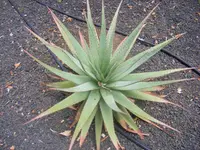
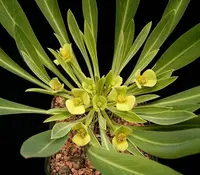
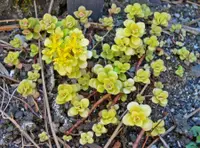
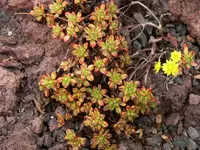
White stonecrop, Crassula vaginata, is a compact succulent that forms low, dense clumps of fleshy leaves. It is grown mainly for its sculptural foliage and tidy habit.

This species occurs naturally in parts of southern Africa, where it experiences bright light, good drainage, and periods of drought. Its slow growth and water-storing leaves make it relatively forgiving for beginners.

Crassula vaginata prefers bright light, lean well-drained soil, and careful watering that allows the roots to dry slightly between waterings. Understanding how to care for White Stonecrop starts with matching these dry, sunny conditions indoors or outside in mild climates.

Main Plant Requirements

Care Difficulty

Easy Care

Light Preference

Full Sun

Water Requirements

Low Water

Temperature Preference

Tropical / Frost Sensitive

Hardiness Zone

10–11

Soil Texture

Sandy, Loamy, Rocky

Soil pH

Slightly acidic (6.5–7.0), Neutral (7.0)

Soil Drainage

Well-drained

Fertilization

Minimal (feed rarely)

Get Personalized Care Plan

Scan your plant to receive care tips personalized for your specific plant

Available on iOS and Android

How to Care for the White Stonecrop

This succulent prefers bright, lean sun exposure that mimics dry, open habitats.

  • Provide 4–6 hours of direct morning sun with bright, filtered light the rest of the day; light afternoon shade prevents leaf scorch in hot summers.
  • White Stonecrop tolerates light partial shade, but stems stretch and leaf color fades if it receives less than 3–4 hours of strong light.
  • In regions with very intense sun, use 30–40% shade cloth in midsummer and give more open exposure from fall to early spring.

This species needs infrequent, deep watering that allows the root zone to fully dry between soakings.

  • Water only when the top 3–5 cm of soil are completely dry; in hot, dry weather this may mean every 7–14 days, but intervals lengthen in cool or cloudy periods.
  • Ensure sharply draining soil or a gritty mix; standing water or compacted soil quickly leads to root rot in Crassula vaginata.
  • Reduce watering drastically in winter, watching for puckered, wrinkling leaves as a sign of thirst and soft, translucent leaves as a sign of excess moisture.

This succulent prefers warm, dry conditions and dislikes prolonged cold or damp.

  • Aim for 65–80°F (18–27°C) during active growth; brief peaks up to 90°F (32°C) are tolerated if soil is dry and airflow is good.
  • Protect from frost; growth slows below 50°F (10°C) and tissue damage occurs around 32°F (0°C), especially in wet soil.
  • In climates with cool winters, keep plants drier and sheltered from cold rain, then allow more exposure and water as temperatures rise in spring.

Humidity is rarely a concern for Crassula vaginata, which suits typical indoor levels.

  • Aim for 30–50% humidity; it stays healthy in most heated or air-conditioned homes.
  • Dry air is well tolerated, but prolonged very dry conditions can brown leaf tips and increase leaf drop.
  • If air is extremely dry, place the pot on a pebble tray with a thin layer of water, keeping the pot base above water.

This succulent needs a very fast-draining, mineral-rich soil mix to prevent root rot.

  • Use a gritty mix: 50–70% inorganic particles such as pumice, perlite, or coarse sand blended with 30–50% lean potting mix or cactus mix.
  • Target pH around 6.0–7.2, which is typical for most commercial cactus or succulent substrates used for Crassula vaginata.
  • Increase aeration by including chunky components (pumice, coarse perlite, fine gravel) rather than peat-heavy mixes that compact quickly.
  • Avoid dense, water-retentive soils, self-watering potting blends, or sites where water lingers more than a few hours after watering.

This species is very suitable for container growing.

  • Select a shallow but wide container to match its relatively shallow roots and spreading habit, which helps the mix dry evenly.
  • Choose unglazed terracotta if overwatering is a risk, since it allows moisture to evaporate through the pot walls.
  • Position the container slightly raised on pot feet or small blocks so drainage holes release water quickly and do not sit against a flat surface.

Crassula vaginata benefits from modest feeding but remains sensitive to excess nutrients.

  • Use a balanced liquid fertilizer (around 10-10-10) or cactus formula at 1/4–1/2 strength for caring for White Stonecrop.
  • Feed every 4–6 weeks during the active growing season, spring through early fall.
  • Avoid fertilizing in late fall and winter, when growth slows and salt buildup risk increases.
  • Water lightly before applying fertilizer to reduce root burn and prevent concentrated salts at the root zone.

Pruning Crassula vaginata is mainly useful for maintaining compact form and removing weak tissue.

  • Carry out light pruning in late winter or early spring before strong new growth begins.
  • Use clean, sharp scissors or pruning snips to remove dead, damaged, or shriveled stems and leaves.
  • Shorten leggy shoots to just above a healthy node to encourage branching and denser growth.
  • Pinch off spent flower stems to keep the plant tidy and direct energy back into foliage growth.

This species grows well slightly root-bound and only needs occasional repotting or transplanting.

  • Consider repotting when roots circle the pot, grow through drainage holes, or when growth slows without another clear cause.
  • Plan to move the plant to a slightly larger container every 2–3 years, ideally in spring.
  • Use a fast-draining succulent mix and a pot with drainage to limit root rot risk.
  • Gently loosen circling roots, keep the original root ball largely intact, and water sparingly for 1–2 weeks after repotting.

Crassula vaginata is commonly propagated from stem or leaf cuttings under warm, bright conditions.

  • Take short, healthy stem or firm leaf cuttings in spring or early summer.
  • Allow cut ends to dry and callus for 1–3 days to reduce rot risk.
  • Place cuttings on or in a gritty, well-draining succulent mix and keep just slightly moist.
  • Provide bright, indirect light and warm temperatures around 70–75°F until roots form in a few weeks.

This succulent dislikes prolonged frost and benefits from simple winter precautions, especially in containers.

  • In regions with frost below 30°F, grow in pots and move indoors to a bright, cool room for winter.
  • Keep soil on the dry side; water sparingly to avoid cold, wet roots that promote rot.
  • Outdoors in mild climates, use a light gravel or grit mulch to improve drainage around the crown.

Care Tips

Offset management

Inspect the plant twice a year and remove tightly packed offsets with a clean knife so air can circulate between rosettes and the mother plant does not rot from trapped moisture.

Targeted topdressing

Apply a thin topdressing of fine grit or small pebbles around the stems to keep lower leaves dry, reduce algae on the soil surface, and stabilize shallow roots in the pot.

Controlled propagation

When taking stem or leaf cuttings, allow them to dry for 2–3 days until a callus forms, then place on barely moist substrate to reduce rot and improve strike rate when growing White Stonecrop.

Winter rest adjustment

In regions with cool bright winters, move the plant to the lightest possible spot and reduce disturbance so it can form compact, colored growth during its natural semi-dormant period.

Preventive pest checks

Check leaf axils and stem joints monthly with a hand lens and wipe early mealybug or scale spots with a cotton swab dipped in 70% isopropyl alcohol before infestations spread through the clustered rosettes.

Common Pests and Diseases

Mealybugs

This pest feeds on sap and often hides in leaf axils and along stems, leaving white, cottony clusters and sticky honeydew. Symptoms include distorted new growth and possible sooty mold on the sugary residue.

Solution

Isolate the plant, then dab visible insects with cotton swabs dipped in 70% isopropyl alcohol and repeat weekly until no new clusters appear. Increase airflow, avoid overfertilizing, and if the infestation is larger, use a ready-to-use insecticidal soap or neem oil spray, ensuring thorough coverage of crevices without soaking the soil repeatedly.

Aphids

These insects cluster on soft new shoots and flower stems, sucking sap and causing curling or stunted growth, often accompanied by shiny honeydew. Ant activity around the plant can also indicate their presence.

Solution

Rinse the plant gently but thoroughly with a lukewarm water spray to dislodge colonies, shielding the potting mix from excess water. Follow up with insecticidal soap or a dilute neem oil spray every 5–7 days for several cycles, and prune heavily infested tips if needed to protect new growth and keep Crassula vaginata plant care manageable.

Soft scale

This pest appears as small, rounded or oval brown to tan bumps on stems and leaf undersides that do not move, but excrete sticky honeydew. Symptoms include weakened, pale growth and potential black sooty mold on affected areas.

Solution

Gently scrape or rub off individual scales with a soft cloth or cotton swab dipped in 70% isopropyl alcohol, working section by section. For persistent infestations, apply horticultural oil or neem oil, coating stems and leaf undersides, and repeat every 7–10 days while improving light and airflow to support recovery.

Edema

This disorder occurs when roots absorb water faster than leaves can transpire it, leading to small corky, blister-like spots on leaves, especially on lower or shaded parts. Symptoms include rough, raised patches that do not spread like a typical fungal infection.

Solution

Allow the soil to dry more thoroughly between waterings, and avoid sudden shifts from low to very bright light or from cool to warm conditions. Improve airflow around the plant and use a fast-draining succulent mix so excess water leaves the pot quickly and tissue stays firm rather than waterlogged.

Powdery mildew

This disease causes a fine white or gray powdery coating on leaves and stems, which can dull the plant’s bluish or glaucous leaf surface and slightly distort new growth. Symptoms include reduced vigor and cosmetic damage rather than rapid collapse.

Solution

Increase light and airflow, avoid overhead watering, and promptly remove the most affected leaves to reduce spore load. Treat remaining foliage with a sulfur-based product or a potassium bicarbonate spray labeled for ornamentals, applying lightly and repeating as directed while keeping foliage dry between treatments.

Interesting Facts

Cape fynbos native

This species is naturally restricted to the Western Cape of South Africa, where it grows in rocky, well-drained fynbos habitats that experience winter rainfall and dry summers.

Compact mat-forming habit

It forms low, dense cushions or mats of closely packed leaves along thin stems, an adaptation that helps reduce water loss and protect growing points in exposed, windy sites.

Hair-fringed leaf sheaths

The specific name vaginata refers to the small sheath-like structures at the base of the leaf pairs, often with fine hairs that partially clasp the stem and may help channel moisture toward the roots.

FAQs about White Stonecrop

Lack of flowers usually comes from insufficient light, very high nitrogen fertilizer, or stress from recent repotting or pruning. Provide bright conditions, avoid heavy feeding, and allow the plant a full growing season to mature before expecting reliable blooms.

Grow Healthy Plants with Botan Care

Keep your plants happy and healthy with plant identification, disease detection, and easy care guidance.

Botan plant care app — identify plants on mobile

Explore More Plants