Crassula vaillantii Care

Crassula vaillantii

About Crassula vaillantii

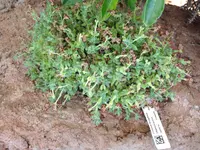
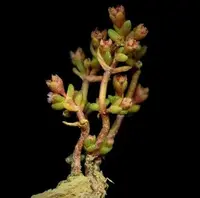
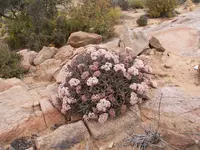
Crassula vaillantii is a small, annual succulent in the stonecrop family, forming low, mat-like patches of fleshy leaves. Its foliage is usually green to reddish, with tiny opposite leaves that store water, giving the plant a compact, delicate look.

This species is native to parts of Europe, North Africa, and western Asia, where it grows in open, often seasonally moist, rocky or sandy habitats. It tends to be undemanding but short-lived, relying on self-seeding rather than long-term clumping.

In cultivation, it suits troughs, rock gardens, or experimental succulent collections, especially in mild climates. Light, well-drained soil and moderate sun exposure generally support healthy growth, and understanding how to care for Crassula vaillantii starts with avoiding waterlogged conditions.

Main Plant Requirements

Care Difficulty

Easy Care

Light Preference

Full Sun

Water Requirements

Low Water

Temperature Preference

Warm Climate

Hardiness Zone

9–11

Soil Texture

Sandy, Loamy, Rocky

Soil pH

Slightly acidic (6.5–7.0), Neutral (7.0)

Soil Drainage

Well-drained

Fertilization

Minimal (feed rarely)

Get Personalized Care Plan

Scan your plant to receive care tips personalized for your specific plant

Available on iOS and Android

How to Care for the Crassula vaillantii

This compact succulent prefers bright conditions but needs protection from harsh midday sun.

  • Provide 4–6 hours of direct morning sun or late-afternoon sun, plus bright indirect light for the rest of the day.
  • Tolerates light partial shade, but growth becomes weak and stretched if kept below 3–4 hours of direct or strong filtered light.
  • In summer, shield from intense midday sun to avoid leaf scorch; in winter, move Crassula vaillantii to the sunniest available spot to compensate for shorter days.

This species stores water in its leaves and requires a careful, lean watering approach.

  • Water only when the top 2–4 cm of soil are fully dry, then soak thoroughly and let excess drain away.
  • Reduce watering significantly in cool seasons, especially if growth slows, and avoid frequent light sips that keep soil constantly damp.
  • Watch for firm leaves and slight soil pull-away as a cue to water, and for soft, yellowing, or mushy leaves as warning signs of overwatering in Crassula vaillantii.

This succulent prefers warm, dry conditions with protection from frost and extreme heat.

  • Aim for 65–80°F (18–27°C) during active growth for steady, compact development.
  • Protect from temperatures below 35–40°F (2–4°C); brief light frost may burn foliage and repeated freezes can kill roots.
  • In hot spells above 90°F (32°C), give light shade and extra airflow, and in cooler seasons keep the plant drier and out of cold drafts to reduce stress.

This small succulent tolerates a wide humidity range and rarely needs special adjustments indoors.

This species prefers a lean, sharply draining mineral mix that dries quickly between waterings.

  • Use a sandy or gritty mix, such as 60–70% mineral components (pumice, coarse sand, or fine gravel) with 30–40% cactus potting mix.
  • Ensure very fast drainage; water should run through within seconds and the mix should not stay wet for more than 1–2 days.
  • Aim for slightly acidic to neutral pH around 6.0–7.0, avoiding strongly acidic or alkaline substrates that may limit nutrient uptake.
  • Avoid dense, peat-heavy or clay-based mixes that compact around roots; add extra grit or perlite to improve aeration if the mix feels heavy.

This compact species is well suited to container growing.

  • Choose a shallow, wide pot that allows horizontal spreading while preventing the thin root system from sitting in deep, wet soil.
  • Select a pot material that matches your climate; unglazed terracotta helps excess moisture evaporate faster in humid or cool conditions.
  • Elevate the container slightly on pot feet or stones so drainage holes never sit in collected water on trays or outdoor surfaces.

This compact succulent stays healthy with light, measured feeding during its main growth period.

  • Apply a diluted balanced liquid fertilizer (such as 10-10-10 at 1/4–1/2 strength) every 4–6 weeks in spring and summer.
  • Use a cactus or succulent formula, or a small amount of fine compost mixed into the top layer of soil.
  • Skip feeding in fall and winter, when Crassula vaillantii slows growth and excess nutrients may cause weak, stretched tissue.
  • Always water lightly before applying fertilizer to avoid root burn in the shallow root system.

Crassula vaillantii benefits from light, occasional pruning to maintain a compact, healthy mat of growth.

  • Best time for pruning is late winter to early spring, just before strong new growth starts.
  • Pinch or clip back leggy or overcrowded stems to keep a dense, low cushion and encourage branching.
  • Remove dead, damaged, or diseased shoots with clean, sharp scissors or small snips to limit infection risk.
  • Avoid heavy cutting into old, woody tissue; focus on softer tips and side shoots for shaping.

This small-rooted succulent prefers modest containers and infrequent repotting, with attention to drainage and root health.

  • Plan to repot every 2–3 years in spring when roots circle the pot, drainage slows, or growth declines.
  • Choose a shallow container with large drainage holes and a gritty cactus mix to keep roots aerated.
  • Gently loosen the root ball, remove old compacted soil, and trim any dead or rotten roots with clean tools.
  • After repotting Crassula vaillantii, replant at the same depth, keep soil just barely moist, and shade from intense sun for 5–7 days to reduce stress.

This species is commonly propagated from small stem pieces, which root reliably under warm, dry-leaning conditions.

  • Take short, healthy stem cuttings in late spring or early summer, selecting non-flowering shoots.
  • Let cut ends dry and callus for 1–2 days to reduce the risk of rot in the potting mix.
  • Place cuttings on or slightly in a gritty, barely moist cactus mix, with bright, indirect light and good airflow.
  • Maintain temperatures around 68–75°F and keep soil just moist enough; roots typically form in a few weeks, after which watering can increase slightly.

This succulent has low frost tolerance and needs protection from freezing, especially in containers.

  • Move potted plants indoors or into a bright, cool, frost-free space when temperatures approach 32°F.
  • In colder climates, grow Crassula vaillantii in containers so it can be relocated easily for winter safety.
  • Water very sparingly in winter, keeping the mix almost dry to prevent root rot in cool conditions.
  • If grown outdoors in mild zones, use a gritty, raised bed and consider a light, dry mulch around the root zone.

Care Tips

Shallow dish planting

Use a wide, shallow pot with a gritty top dressing (fine gravel or pumice) to keep stems from staying damp at the base and to support its low, spreading habit.

Controlled spreading

Edge the planting area with small stones or a low barrier to keep the mat-forming growth from smothering neighboring small succulents while still allowing a natural spread.

Dry-season grooming

At the end of the growing season, gently remove any soft, collapsed stems and old leaves by hand to reduce rot risk and keep new growth better ventilated.

Cool-weather protection

If grown outdoors in a mild climate, move containers under a dry overhang or unheated porch before extended wet, cool spells to prevent root and stem rot when growing Crassula vaillantii.

Propagation renewal

Every 1–2 years, re-root a few healthy stem tips in fresh mix and gradually replace older, woody sections to maintain a dense, low cushion and extend the life of the original clone.

Common Pests and Diseases

Aphids

These insects feed on young, tender stems and leaves, sucking sap and causing distorted growth and sticky honeydew deposits on the tiny foliage mats.

Solution

Rinse plants with a firm stream of water to dislodge colonies, then spot-treat remaining clusters with insecticidal soap or a dilute neem oil spray, repeating weekly until gone and avoiding treatment during strong sun to prevent leaf burn.

Mealybugs

This pest appears as small white, cottony clusters tucked into stem joints and among dense foliage, where it weakens plants by sucking sap and can cause slow decline in compact clumps.

Solution

Remove visible insects with a cotton swab dipped in isopropyl alcohol, then treat affected areas with insecticidal soap; improve light and avoid overfertilizing, as soft, lush growth is more prone to mealybug infestation when growing Crassula vaillantii.

Spider mites

These insects thrive in hot, very dry conditions and cause fine stippling, dulling of the leaves, and sometimes fine webbing across the low-growing mats.

Solution

Increase humidity around the plant slightly, rinse foliage thoroughly with water to remove mites, and use a miticidal or neem-based spray on both upper and lower leaf surfaces, repeating several times over 2–3 weeks.

Fungal leaf spots

This disease develops in crowded, poorly ventilated clumps, leading to small brown or black lesions on leaves that may coalesce and cause local dieback of the mat.

Solution

Remove and discard affected leaves, thin or divide dense patches to improve airflow, avoid overhead watering, and if spread continues, apply a sulfur or copper-based fungicide labeled for succulents according to package directions.

Edema

Symptoms include translucent blisters or corky patches on leaves when roots absorb water faster than the foliage can use it, often in cool, wet conditions and in compact, water-retentive substrates.

Solution

Allow the soil surface to dry more between waterings, use a very free-draining gritty mix, reduce watering frequency during cool, low-light periods, and provide brighter light and good air movement to stabilize water balance in the tissues.

Interesting Facts

Winter-annual life cycle

This small succulent is a winter annual that germinates in cool, moist conditions, completes its life cycle in a few months, then survives unfavorable seasons only as seed, unlike many perennial Crassula species.

Specialist of wet sands

It is typically found in damp, sandy, often periodically flooded habitats such as riverbanks, pond margins, and wet dune slacks, tolerating temporary inundation better than many other small Crassula species.

Tiny opposite leaves

The plant forms very small, opposite, fleshy leaves along slender stems, creating a low, delicate mat that allows it to fit between other low-growing annuals in open, disturbed wet soils.

FAQs about Crassula vaillantii

This species forms low, patchy mats but is not usually aggressive. It spreads slowly by short stems and self-seeding when conditions suit. Occasional thinning or edging keeps it within bounds in rock gardens or shallow pots.

Grow Healthy Plants with Botan Care

Keep your plants happy and healthy with plant identification, disease detection, and easy care guidance.

Botan plant care app — identify plants on mobile

Explore More Plants