Scarlet Hawthorn Care (Crataegus coccinea)

Also known as: Pear-fruited Cockspurthorn
Scarlet Hawthorn

About Scarlet Hawthorn

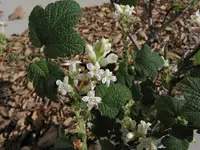
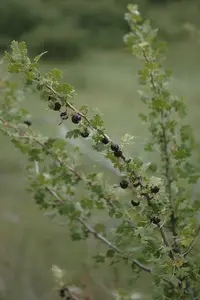
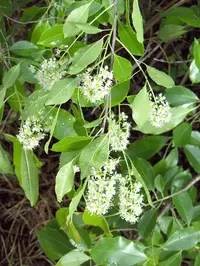
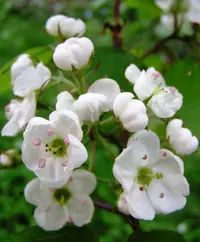
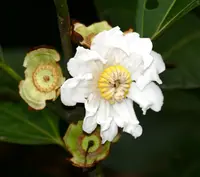
Scarlet hawthorn, Crataegus coccinea, is a small, deciduous tree or large shrub known for its showy white spring flowers and bright red autumn berries. It forms a dense, often thorny canopy that provides strong structure in hedges and wildlife gardens.

This species is native to eastern North America, where it grows in open woods, thickets, and along forest edges. Once established, it is relatively tolerant of cold, wind, and urban conditions, which makes it moderate to easy to grow for most gardeners.

It prefers full sun, moderately moist but well-drained soil, and benefits from some air movement to reduce leaf disease. Anyone learning how to care for Scarlet Hawthorn should plan for its thorns and mature size when choosing a planting spot.

Main Plant Requirements

Care Difficulty

Easy Care

Light Preference

Full Sun

Water Requirements

Moderate Water

Temperature Preference

Cold Hardy

Hardiness Zone

4–7

Soil Texture

Sandy, Loamy, Clay

Soil pH

Acidic (5.5–6.5), Slightly acidic (6.5–7.0)

Soil Drainage

Moist but well-drained

Fertilization

Minimal (feed rarely)

Get Personalized Care Plan

Scan your plant to receive care tips personalized for your specific plant

Available on iOS and Android

How to Care for the Scarlet Hawthorn

Crataegus coccinea grows best as a sun-loving, outdoor shrub or small tree with strong seasonal light changes.

  • Provide 6–8 hours of direct sun daily; full sun promotes dense branching, abundant flowers, and vivid red fruit on Scarlet Hawthorn.
  • Tolerates light partial shade, especially with morning sun and dappled afternoon light, but flowering and fruiting decline if daily sun drops below about 4 hours.
  • In hot summers, avoid highly reflective sites that amplify afternoon heat to reduce leaf scorch, especially on newly planted or drought-stressed specimens.

Crataegus coccinea prefers evenly moist, well-drained soil and becomes more drought-tolerant once established.

  • At planting and during the first 1–2 years, water when the top 5–7 cm of soil feel dry, applying a slow, deep soak to wet the root zone without leaving standing water.
  • In established trees, rely on rainfall where possible; supplement only during dry spells lasting 10–14 days, watching for limp, curling leaves as an early drought signal.
  • Avoid heavy, compacted soils that stay wet; yellowing leaves, soft new growth, and dieback of fine twigs often indicate chronic overwatering or poor drainage.

This hardy hawthorn thrives in regions with cold winters and moderate to warm summers outdoors.

  • Optimal growing temperatures are about 60–80°F (16–27°C) during the active season, supporting steady shoot and root development.
  • Mature plants tolerate winter lows near -20°F (-29°C) when fully dormant, provided soil drains well and roots are not exposed by erosion or heaving.
  • Handles typical summer heat up to about 90–95°F (32–35°C) if soil moisture is stable; prolonged extreme heat with drought can cause leaf scorch and reduced fruit set.

Crataegus coccinea handles a wide humidity range, so humidity management is usually unnecessary outdoors.

Crataegus coccinea grows best in moderately fertile, well-structured mineral soil with reliable drainage.

  • Use a loamy or sandy loam soil that crumbles easily and does not stay waterlogged after rain.
  • Aim for slightly acidic to neutral pH around 6.0–7.0, avoiding strongly acidic or strongly alkaline sites.
  • Incorporate 20–30% compost into the top 20–30 cm to improve nutrient content and moisture retention without creating a heavy texture.
  • On dense or clayey ground, mix in coarse sand or fine gravel to increase aeration and prevent root suffocation.

This species can be grown in containers for the first years, but it is not an ideal long-term container tree.

  • Choose a deep, heavy container to anchor the developing woody root system and reduce tipping in wind.
  • Select thick-walled clay or concrete pots if possible, as they add stability and slightly reduce moisture swings in hot weather.
  • Raise the container on feet or spacers so drainage holes remain clear and excess water can exit quickly after rain or watering.

Crataegus coccinea usually needs minimal feeding in the ground but benefits from light, balanced nutrition in poor soils or containers.

  • Use a balanced slow-release fertilizer (for example 10-10-10) or a thin layer of compost in early spring as growth starts.
  • Apply once per year for established trees; container-grown Scarlet Hawthorn may receive a second light dose in mid-summer.
  • Reduce or stop feeding in fall and winter, when growth is dormant.
  • Use fertilizers at 1/2 label strength for young or stressed plants to avoid salt buildup and root burn.

Crataegus coccinea responds well to thoughtful structural pruning that maintains airflow and flowering wood.

  • Schedule main pruning in late winter to very early spring, before bud break, using clean, sharp hand pruners and loppers.
  • Remove dead, diseased, or damaged branches first, cutting back to healthy wood or a strong lateral branch.
  • Thin congested interior shoots and crossing branches to improve light penetration, airflow, and reduce fungal issues.
  • Shorten overly long or unbalanced limbs to maintain a strong framework and stable, attractive crown shape.

This hawthorn is usually grown in the ground, so transplanting young trees correctly matters more than frequent repotting.

  • Transplant in early spring or early fall, when temperatures are mild and soil is workable, to reduce stress.
  • Move only when root growth circles the container, drainage is poor, or top growth stalls despite good care.
  • Dig a wide planting hole, keep the root flare at soil level, and backfill with the native soil rather than rich mixes.
  • Water deeply after transplanting, apply a 5–8 cm mulch ring, and keep soil evenly moist during the first growing season.

Crataegus coccinea is usually propagated from seed, which requires patience and specific temperature treatments.

  • Collect ripe fruits in fall, clean seeds, and use cold stratification at 34–41°F for several months to break dormancy.
  • Sow stratified seeds in a free-draining, gritty mix, just covered, and keep evenly moist until germination.
  • Semi-hardwood cuttings in mid- to late summer may root under mist with bottom heat, but success rates are modest.
  • Label seed batches clearly since germination can be slow and staggered over more than 1 season.

This species is naturally cold hardy in much of the US and generally needs little special winter care once established.

  • Young trees benefit from a 5–8 cm organic mulch layer over the root zone, kept away from the trunk.
  • Container-grown plants should be moved to a sheltered, unheated but frost-moderated spot to prevent root freezing.
  • Inspect for broken or storm-damaged branches during winter and remove them on the next suitable mild day.

Care Tips

Manage Root Suckers

Inspect the base of the plant 2–3 times per season and cut off root suckers flush with the soil line to prevent an unwanted thicket and keep one strong main framework.

Wind-Resilient Training

In the first 3–5 years, select 3–5 well-spaced main branches and lightly shorten or remove competing limbs so the tree develops a balanced, open crown that better resists storm damage.

Fruit Drop Hygiene

Rake and remove fallen leaves and fruits in late summer and autumn to reduce overwintering sites for fungal spores and insects that commonly affect hawthorns.

Targeted Pest Monitoring

From late spring, check young shoots and flower clusters every 1–2 weeks for aphids, sawfly larvae, and leaf miners, and treat early with a hard water spray or labeled low-toxicity product before infestations build.

Wildlife-Friendly Underplanting

Establish a low, tough groundcover or meadow-style planting under the canopy to protect shallow roots from mower damage while also providing habitat that supports natural predators, which helps when caring for Scarlet Hawthorn.

Common Pests and Diseases

Hawthorn rust

This disease causes bright orange or rust-colored spots on leaves, young stems, and sometimes fruit, often with small swollen areas or spore horns. Symptoms include premature leaf drop and disfigured fruit, especially in humid conditions or near junipers.

Solution

Remove and discard infected leaves and fruit from the tree and ground to reduce spore spread, and avoid planting susceptible junipers nearby. Improve air circulation through careful pruning, water at the base rather than overhead, and in areas with frequent rust issues consider a preventive fungicide labeled for hawthorn applied at bud break and repeated as directed.

Fire blight

This disease leads to blackened, wilted shoots and flower clusters that look scorched, with characteristic shepherd’s-crook bending at the tip. Symptoms include oozing bacterial droplets on infected tissue in humid weather.

Solution

Prune out infected shoots at least 20–30 cm below visible symptoms during dry weather, disinfecting tools between each cut with alcohol or a 10% bleach solution. Avoid high-nitrogen fertilization and heavy pruning during active growth, and in areas with a history of fire blight, follow local guidance on resistant planting choices and possible bloom-time bactericide sprays.

Hawthorn leaf spot

This disease produces small purple to brown spots on leaves that may enlarge and cause yellowing and early leaf drop. Symptoms include thinning foliage, which can weaken the plant over several seasons if severe.

Solution

Rake and discard fallen leaves in autumn to remove fungal inoculum and promote good air movement by thinning crowded branches. Water at soil level, avoid wetting the foliage, and in recurrent severe cases consider a labeled fungicide starting at leaf emergence and repeating as directed.

Aphids

These insects cluster on young shoots and leaf undersides, sucking sap and causing curling or distortion of new growth. This pest often leaves sticky honeydew that can lead to sooty mold on leaves and stems.

Solution

Dislodge colonies with a strong stream of water, focusing on shoot tips and leaf undersides, and encourage natural predators such as lady beetles by minimizing broad-spectrum insecticides. For persistent infestations, use insecticidal soap or horticultural oil, applied thoroughly and repeated according to label directions.

Hawthorn lace bug

This pest feeds on the undersides of leaves, causing fine yellow or whitish stippling on the upper surface and dark tar-like spots beneath. Symptoms include dull, bleached-looking foliage and possible premature leaf drop when populations are high.

Solution

Inspect the undersides of leaves regularly and prune out heavily infested small branches if practical. Use a strong water spray to knock insects off, and where damage is significant, apply horticultural oil or an appropriate systemic insecticide early in the season, following label directions to protect beneficial insects as much as possible.

Interesting Facts

Distinctive scarlet fruits

This species develops bright scarlet pomes with relatively large, prominent lenticels, giving the fruit a speckled appearance that helps distinguish it from many other North American hawthorns with duller, smaller hips.

Eastern North America native

Native populations occur from the Great Lakes region through the northeastern and mid-Atlantic United States into parts of the Appalachian region, where the tree typically grows in open woodlands, forest edges, and rocky slopes.

Early wildlife resource

The flowers provide an early-season nectar and pollen source for native bees and other pollinators, while the persistent fruits are eaten by birds and small mammals later in the season, helping disperse the seeds.

Botan icon

Did you know?

The species was formally described by Carl Linnaeus in 1753, making it one of the earlier North American hawthorns to be recognized in modern botanical nomenclature and giving it a long, well-documented taxonomic history compared with many other Crataegus species.

FAQs about Scarlet Hawthorn

Poor flowering often comes from insufficient light, heavy pruning at the wrong time, nutrient imbalance, or a young plant not yet mature. Allow full sun exposure, avoid hard pruning after midsummer, and maintain balanced, moderate fertilization.

Grow Healthy Plants with Botan Care

Keep your plants happy and healthy with plant identification, disease detection, and easy care guidance.

Botan plant care app — identify plants on mobile

Explore More Plants