Crepidotus calolepis Care

Crepidotus calolepis

About Crepidotus calolepis

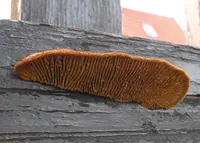
Crepidotus calolepis is a small saprophytic fungus, not a leafy houseplant. It produces pale, fan-shaped caps that sit directly on decaying wood without a visible stem. The gills underneath release brown spores that help break down dead branches and logs in forests.

This species is typically found in temperate woodlands, especially on fallen hardwood. It is not commonly cultivated, and attempts to care for Crepidotus calolepis at home are challenging because it needs consistently cool, moist, wood-rich conditions that are hard to maintain indoors.

In nature it prefers shaded, humid environments and well-rotted wood as its substrate rather than soil, which limits its use as an ornamental organism.

Main Plant Requirements

Care Difficulty

Moderate Care

Light Preference

Partial Shade

Water Requirements

Keep Soil Moist

Temperature Preference

Cool Climate

Hardiness Zone

Unknown

Soil Texture

Organic-rich, Loamy

Soil pH

Acidic (5.5–6.5)

Soil Drainage

Moist but well-drained

Fertilization

Minimal (feed rarely)

Get Personalized Care Plan

Scan your plant to receive care tips personalized for your specific plant

Available on iOS and Android

How to Care for the Crepidotus calolepis

This small wood-inhabiting fungus prefers low to moderate light typical of shaded forest conditions.

  • Provide bright shade or dappled light, such as under tree canopies, avoiding direct midday sun that can dry the substrate rapidly.
  • Aim for 1–3 hours of gentle early morning sun at most, with the rest of the day in open shade or filtered woodland light.
  • In summer, shield from strong afternoon sun; in winter, increased ambient brightness is acceptable as long as the fruiting wood does not heat or dry excessively.

This species develops on consistently moist, decaying wood rather than in typical potted culture.

  • Maintain the host wood or woody substrate evenly moist, not saturated; if cultivating, allow only the outer surface to start losing shine before lightly misting.
  • Reduce watering or misting frequency in cool seasons to prevent standing water, but avoid complete drying, which halts growth and shrivels fruiting bodies.
  • Signs of excess moisture include slimy surfaces and foul odor, while pale, shriveled caps indicate the substrate has dried too far for Crepidotus calolepis to fruit well.

This fungus thrives in cool to mild outdoor woodland conditions.

  • Optimal development occurs around 50–70°F (10–21°C), where moisture is retained and fruiting bodies form most reliably on fallen wood.
  • It tolerates brief drops to about 32°F (0°C), but repeated hard freezes below this range can damage or halt visible fruiting.
  • Heat above 80°F (27°C), especially combined with low humidity, quickly dries the substrate, so shaded, cooler microsites are important in warm seasons.

This wood-inhabiting fungus does best in consistently moist, high-humidity conditions.

  • Aim for 70–95% humidity by keeping its woody substrate damp but not waterlogged.
  • It tolerates brief drier air if the log or wood chunk stays evenly moist internally.
  • Low humidity shows as rapid drying, shrunken caps, and slowed or halted fruiting.
  • Increase humidity by using a humid chamber, plastic tote with vents, or frequent fine misting of the surrounding air and substrate.

Crepidotus calolepis naturally fruits on decaying wood rather than in mineral soil, so the substrate should mimic rotting hardwood.

  • Use well-rotted hardwood chips, sawdust, or small log sections with a loose, fibrous structure that holds moisture yet drains freely.
  • Keep the substrate airy by mixing in coarser wood pieces so oxygen can reach the fungal mycelium, which is the feeding network.
  • Maintain a slightly acidic to neutral environment around pH 5.5–7 by avoiding lime or alkaline amendments.
  • Avoid compacted garden soil, manure-heavy mixes, and permanently soggy conditions, which restrict air and favor competing molds.

This species can be maintained in containers only when grown on wood-based substrate rather than conventional potting soil.

  • Place prepared wood pieces or chips in shallow trays or tubs with drainage or ventilation holes so excess moisture can escape.
  • Choose opaque or dark containers to reduce light on the developing mycelium while still allowing air exchange at the sides or lid gaps.
  • Stabilize lightweight tubs or trays with a secondary outer crate or weight so the moist wood substrate does not tip when handled.

This wood-decaying fungus usually grows on nutrient-rich dead wood and does not benefit from additional fertilization in typical culture.

Crepidotus calolepis forms short-lived fruiting bodies that do not require structural pruning.

Transplanting is only relevant when this fungus is intentionally moved to fresh wood or substrate for study or cultivation.

  • Move colonized wood or substrate during mild weather to reduce stress from temperature swings.
  • Transplant when growth slows and the substrate is clearly decomposed or drying out faster than usual.
  • Shift the whole colonized piece onto freshly moistened, similar wood or sterile substrate without breaking it apart.
  • Keep the new substrate evenly moist and shaded for several days to allow the mycelium to reestablish contact.

Propagation of this fungus is typically done by spores or transferring colonized substrate rather than standard plant methods.

  • Collect spore prints from mature caps and apply them to moist, sterile wood-based or cellulose-rich substrate.
  • Transfer small blocks or strips of actively colonized substrate onto fresh, similar material to extend growth.
  • Maintain high humidity, gentle air movement, and stable cool to mild temperatures for spore germination and mycelial spread.
  • Work with clean tools and containers to limit contamination from competing fungi and bacteria.

This saprophytic fungus is naturally cold tolerant in many climates and usually needs no special winter care outdoors.

  • In containers or experimental culture, keep colonized substrate slightly moist but not waterlogged in winter.
  • If severe freezes are expected, move trays or blocks into an unheated garage or cold frame to avoid deep freezing and thaw cycling.

Care Tips

Use clean hardwood

When inoculating logs or wood chunks, choose fresh, disease‑free hardwood (like oak, beech, or maple), avoid conifers, and clean off loose bark and soil to reduce contamination from competing fungi.

Moisture gradient setup

Arrange wood pieces so some are partly buried, some are surface‑level, and some are stacked, which creates slightly different moisture zones and helps the fungus establish in at least part of the setup during variable weather.

Shaded airflow placement

Position the inoculated wood in a lightly shaded, wind‑sheltered spot that still has some air movement, which helps keep the substrate moist while reducing the risk of bacterial rot and mold overgrowth.

Gentle fruiting checks

Inspect the wood every few days during cool, damp periods, but avoid frequent handling or moving the pieces, since mechanical disturbance can damage developing fruiting bodies and slow colonization.

Seasonal hydration tweak

In dry or windy weather, briefly mist the surrounding ground and wood surface rather than soaking the logs, which maintains a humid microclimate for growing Crepidotus calolepis without waterlogging the substrate.

Common Pests and Diseases

Fungivorous springtails

These insects feed on fungal tissue and can cluster on moist substrates where fruit bodies develop. Symptoms include small jumping insects around caps and rapid surface scarring on young mushrooms.

Solution

Reduce excess surface moisture and improve air movement around culture containers or trays; allow the substrate surface to dry slightly between misting while keeping internal moisture stable. Remove heavily damaged fruit bodies and, for ongoing issues, use fine mesh or tight-fitting lids with filtered air exchange to physically exclude springtails when growing Crepidotus calolepis.

Mite infestation

These insects often arrive with wood, bark, or decaying plant material and can graze on developing gills, spores, and cap surfaces. Symptoms include pitted or roughened caps and pale, irregular feeding marks.

Solution

Discard or isolate heavily infested cultures and remove visibly damaged fruit bodies. For prevention, heat-treat or deep-freeze collected wood before use, maintain clean work areas and tools, and use breathable but fine barriers (such as filter patches or tight-weave fabric) over containers to limit mite entry during growing Crepidotus calolepis.

Bacterial blotch

This disease causes water-soaked, greasy or slimy spots on caps, often yellowish to brown, that may spread under persistently wet conditions. Symptoms include distorted or collapsed fruit bodies if contamination is severe.

Solution

Reduce overhead misting directly onto fruit bodies and focus on maintaining even humidity with good air exchange so surfaces dry within a few hours after watering. Remove and discard blotched specimens promptly, clean surfaces that came into contact with exudates, and avoid handling caps with wet or unclean hands when following Crepidotus calolepis care instructions.

Interesting Facts

Distinctive scaly cap

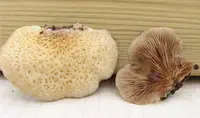
The cap surface is densely covered in small yellowish to brown scales, giving it a granular or shaggy look that distinguishes it from many other Crepidotus species with smoother caps.

Sessile, kidney-shaped fruiting body

Its fruiting bodies are typically kidney- to fan-shaped and lack a true stem, growing directly attached to decaying wood with the gills radiating outward from the point of attachment.

Rusty-brown spore print

The spores of this species form a distinctly rusty to ochre-brown spore print, a key microscopic and field character used by mycologists to separate it from similar whitish-spored wood-inhabiting fungi.

FAQs about Crepidotus calolepis

This is a small, wood-rotting mushroom with no established history of safe culinary use. It is considered inedible due to its insubstantial flesh and uncertain toxicity profile. It should not be collected or eaten.

Grow Healthy Plants with Botan Care

Keep your plants happy and healthy with plant identification, disease detection, and easy care guidance.

Botan plant care app — identify plants on mobile

Explore More Plants