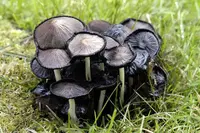
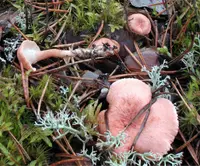
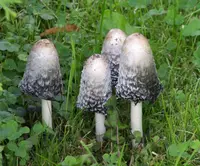
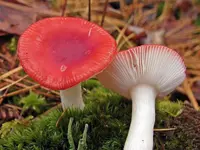
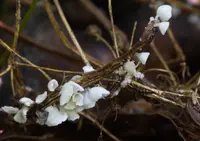
Oliveleaf Crypto Care (Cryptomarasmius corbariensis)

Oliveleaf Crypto

About Oliveleaf Crypto

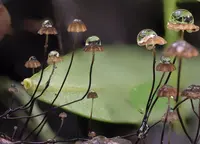
Oliveleaf Crypto is a small saprotrophic fungus, not a leafy houseplant. It grows on decaying wood and leaf litter, breaking down dead organic material. Cryptomarasmius corbariensis produces delicate, tiny caps with slender stems, often forming scattered colonies on forest floors.

This species is usually found in warm, humid woodland habitats, especially in regions with consistent moisture and deep leaf litter. Its need for constant humidity, airflow balance, and clean, woody substrate makes it challenging to maintain indoors. For anyone wanting to care for Oliveleaf Crypto at home, controlled terrarium conditions and stable moisture are typically required.


Main Plant Requirements

Care Difficulty

Moderate Care

Light Preference

Partial Shade

Water Requirements

Moderate Water

Temperature Preference

Warm Climate

Hardiness Zone

Unknown

Soil Texture

Loamy

Soil pH

Slightly acidic (6.5–7.0)

Soil Drainage

Well-drained

Fertilization

Minimal (feed rarely)

Get Personalized Care Plan

Scan your plant to receive care tips personalized for your specific plant

Available on iOS and Android

How to Care for the Oliveleaf Crypto

This small fungus prefers soft, filtered woodland light rather than strong direct sun.

  • Provide dappled or filtered light under shrubs, leaf litter, or low tree canopy, mimicking a shaded forest floor for Oliveleaf Crypto.
  • Aim for bright shade or very light morning sun only, about 1–3 hours; avoid harsh midday or afternoon sun that dries the substrate too quickly.
  • In summer, protect from direct sun that heats and desiccates woody debris; in winter, increased light through bare branches is acceptable if the substrate stays moist.

This species relies on consistently moist, not waterlogged, organic material to fruit well.

  • Keep the woody debris or leaf litter evenly moist; allow only the top 1–2 cm to begin drying before lightly rewetting.
  • Use free-draining, humus-rich substrate so excess water runs off; avoid standing water, algae growth, or foul smell, which indicate overwatering.
  • Reduce added moisture during cool, wet seasons and increase gentle misting or soaker use in hot, dry periods to prevent shriveling or aborted fruiting bodies in Cryptomarasmius corbariensis.

This fungus thrives in mild, temperate conditions and declines in prolonged heat or hard frost.

  • Aim for 55–75°F (13–24°C) for reliable growth and fruiting, with short exposures up to 80°F (27°C) tolerated if the substrate stays moist and shaded.
  • Avoid temperatures below about 32°F (0°C); light frost may damage fruiting bodies, though the underlying mycelium in protected debris can sometimes persist.
  • In hot summers above 80–85°F (27–29°C), increase shade and moisture to buffer temperature swings and prevent the substrate from overheating and drying out.

This fungal species tolerates a broad humidity range but performs best with consistently moist air.

  • Aim for 60–80% humidity, similar to a damp forest floor microclimate.
  • It tolerates short dips to 40–50%, but prolonged dry air slows fruiting and shrivels caps of Oliveleaf Crypto.
  • Watch for drying, cracking caps and rapid substrate crusting as low-humidity stress signs, and raise humidity with misting, trays, or a tented enclosure.

Cryptomarasmius corbariensis grows best on airy, moisture-retentive, organic-rich substrate rather than dense mineral soil.

  • Use a mix based on well-decayed wood chips, leaf litter, and fine bark, with some composted material for nutrients.
  • Ensure the substrate drains freely yet stays evenly moist; add coarse bark or perlite to prevent waterlogging and anaerobic (oxygen-poor) conditions.
  • Keep pH slightly acidic to neutral, around 5.5–7.0, avoiding strongly alkaline materials such as large amounts of lime or concrete rubble.
  • Avoid compacted, clay-heavy, or purely sandy mixes that dry out quickly, since this species relies on steady moisture around its mycelium.

This species can be maintained in containers if the substrate and moisture are managed carefully.

  • Choose a wide, shallow container to spread substrate in a thin layer, which mimics forest litter and improves oxygen access to the mycelium.
  • Use a rigid plastic or glazed ceramic pot to slow sidewall moisture loss while still providing drainage at the base.
  • Place the container inside a larger tray or humidity tent to stabilize moisture and avoid edge drying that can stop fruiting at the margins.

This small, wood-inhabiting fungus typically needs no supplemental feeding when grown outdoors in decaying wood or leaf litter.

Pruning needs for Cryptomarasmius corbariensis are minimal because individual fruiting bodies are short-lived and naturally replaced.

Cultivation of this fungus focuses on providing fresh woody substrate rather than classic repotting.

  • Transplant or start new cultures in spring or early summer, when temperatures are mild and stable.
  • Refresh or replace the decaying wood or leaf-litter substrate every 1–2 years if growth or fruiting declines.
  • Move colonized substrate gently to a new container or outdoor spot, disturbing the mycelium as little as possible.
  • Keep the new site evenly moist and shaded for several weeks to reduce stress on the fungal network.

Propagation centers on spreading the mycelium rather than handling individual mushrooms, which are only the fruiting stage.

  • Use colonized wood chips or leaf litter as starter material, placing it in fresh, similar substrate to allow mycelium to spread.
  • Carry out division in mild conditions in spring or early fall to limit desiccation and heat stress.
  • Maintain consistent moisture and shade so the mycelium can bridge into the new substrate without drying out.
  • Avoid burying the substrate too deeply; a shallow organic layer promotes oxygen flow and future fruiting.

In climates where Oliveleaf Crypto naturally occurs, established colonies in outdoor wood or leaf litter usually need no special winter care.

Care Tips

Use sterile substrate

Prepare a low-nutrient, fine-textured substrate (such as pasteurized hardwood chips mixed with decomposed leaf litter) and heat-treat or oven-pasteurize it at 160–180°F for 30–45 minutes to reduce competing fungi and bacteria before inoculation.

Match wood species

When possible, use well-aged, pesticide-free hardwood from the same or closely related tree species the fungus was originally found on, as matching wood chemistry supports more reliable mycelium establishment.

Control substrate moisture

Keep the wood and leaf litter evenly moist but never saturated by misting lightly and covering with a loose, breathable lid or plastic with air holes, so the mycelium does not dry out or suffocate.

Provide gentle airflow

Set up very gentle, indirect airflow near the culture area to prevent stagnant air and mold growth while avoiding strong drafts that cause rapid drying of the fruiting surface.

Stagger fresh material

Add small amounts of fresh, partially decomposed wood or leaf litter around the colonized zone every 4–6 weeks instead of all at once, which lets the fungus expand gradually and makes caring for Oliveleaf Crypto more predictable over time.

Common Pests and Diseases

Fungus gnat larvae

This pest targets damp, fungus-rich substrates where it feeds on mycelium and fine root-like structures of associated plants. Symptoms include small black flies around the substrate and reduced vigor of any companion plants in the same container or terrarium.

Solution

Allow the substrate surface to dry slightly between misting, use fine mesh or sand as a top layer, and deploy yellow sticky traps to catch adult gnats. For persistent problems, apply a biological control such as Bacillus thuringiensis israelensis (BTi) to the substrate according to label directions, which targets larvae without harming the mushroom colony when used correctly.

Mite colonization

These insects are tiny arthropods that can graze on fungal tissue, including caps and stems, leading to pitted, deformed, or partially eaten fruiting bodies. Symptoms include very small white or translucent moving dots on or around the mushrooms and fine debris on the substrate surface.

Solution

Reduce overcrowding and maintain good airflow around cultures, then physically remove heavily infested material. In enclosed setups, introduce predatory mites that feed on pest mites, and keep humidity stable but not excessive to discourage explosive mite growth while maintaining suitable conditions for growing Cryptomarasmius corbariensis.

Green mold (Trichoderma)

This disease is caused by competitive green mold fungi that colonize the substrate and overrun the mycelium. Symptoms include white fluffy patches that quickly turn bright green, along with stalled or aborted fruiting.

Solution

Promptly remove and discard contaminated sections of substrate and any affected fruiting bodies, taking care not to spread spores to clean areas. Improve hygiene by sterilizing or thoroughly pasteurizing future substrates, disinfecting tools and containers, and providing slightly better air exchange so surfaces do not stay overly wet for long periods.

Bacterial blotch

This disease develops on wet mushroom caps, leading to yellow to brown, greasy-looking spots and localized softening of the tissue. Symptoms include discolored, water-soaked patches where water has stood on the cap surface for extended periods.

Solution

Avoid direct overhead misting of caps; instead lightly mist the surrounding air or substrate so caps dry within a few hours. Remove and discard blotched mushrooms, then improve air movement and keep humidity in the recommended range without allowing condensation to remain on the fruiting bodies.

Interesting Facts

Oliveleaf-like caps

The tiny caps of this fungus are pale to grayish and shaped somewhat like narrow leaves, which together with its brownish stem have inspired the informal name Oliveleaf Crypto among some mushroom enthusiasts.

Leaf litter specialist

This species typically fruits on deciduous leaf litter, especially in temperate woodlands, where it helps decompose fallen leaves and recycle nutrients into the soil.

Recently reclassified

Originally placed in the broad genus Marasmius, this species was reassigned to Cryptomarasmius based on detailed microscopic features and molecular (DNA-based) studies that clarified its evolutionary relationships.

Botan icon

Did you know?

The fruiting bodies of this species are so small and delicate that they are often overlooked in the field, and many collections have been recognized only through careful microscopic examination during broader surveys of leaf-litter fungi.

FAQs about Oliveleaf Crypto

Growth is slow and modest. This small fungus typically appears and matures over a few days to weeks on decaying plant material, then collapses. It does not produce noticeable size increases like a typical houseplant or shrub.

Grow Healthy Plants with Botan Care

Keep your plants happy and healthy with plant identification, disease detection, and easy care guidance.

Botan plant care app — identify plants on mobile

Explore More Plants