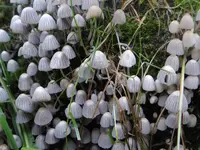
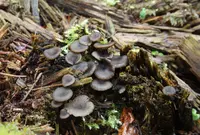
oak pin Care (Cudoniella acicularis)

oak pin

About oak pin

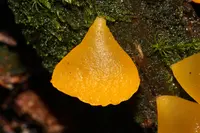
Cudoniella acicularis, commonly called oak pin, is a small, cup-like fungus rather than a traditional leafy plant. It forms tiny whitish to pale cream discs on decaying hardwood, especially fallen oak branches and twigs.

This species is widespread in temperate forests and woodlands, often appearing in moist, shaded areas after rain. It plays an ecological role in breaking down dead wood and recycling nutrients.

Oak pin is not grown as a typical garden or houseplant, but understanding its need for cool, damp, shaded wood helps explain how to care for oak pin in specialized fungal culture setups.

Main Plant Requirements

Care Difficulty

Hard Care

Light Preference

Shade

Water Requirements

Aquatic

Temperature Preference

Cool Climate

Hardiness Zone

Unknown

Soil Texture

Silty, Organic-rich

Soil pH

Acidic (5.5–6.5)

Soil Drainage

Waterlogged tolerant

Fertilization

Minimal (feed rarely)

Get Personalized Care Plan

Scan your plant to receive care tips personalized for your specific plant

Available on iOS and Android

How to Care for the oak pin

This fungus prefers cool, moist woodland light rather than strong, open sun.

  • Aim for bright shade or dappled light under deciduous trees, with at most 1–3 hours of gentle morning sun reaching the colony.
  • Oak pin tolerates deep shade, but fruiting bodies become sparse if the site receives less than 1–2 hours of indirect daylight in winter.
  • Avoid strong midday and afternoon sun, which can dry the substrate quickly and shorten fruiting; leaf litter or low groundcover helps filter light seasonally.

Cudoniella acicularis thrives on consistently moist, never stagnant, substrates.

  • Maintain evenly moist, humus-rich soil or decaying wood; surface should feel damp but not waterlogged when pressed with a finger.
  • If the substrate begins to dry or crack at the top 0.5–1 cm, increase moisture with gentle, diffuse watering or misting of the surrounding litter layer.
  • Watch for collapse and shriveling as signs of drought stress, and for slimy, foul-smelling patches as indicators of prolonged saturation and poor drainage.

This species is adapted to cool, temperate conditions rather than strong heat.

  • Optimal fruiting typically occurs around 50–65°F (10–18°C), often in cool, wet periods of spring or autumn in temperate woodlands.
  • Growth slows markedly above about 70°F (21°C), and extended heat above 80°F (27°C) combined with dry air can desiccate and kill fruiting bodies.
  • The mycelium tolerates light frost down to roughly 28–32°F (-2–0°C), but repeated hard freezes or freeze–thaw cycles can damage exposed tissues.

This fungus prefers consistently moist, cool air and does not tolerate dry conditions.

  • Aim for 70–90% humidity, mimicking damp woodland or streamside conditions where oak pin naturally occurs.
  • Dry air leads to shriveling fruiting bodies, paler color, and reduced or aborted new growth.
  • Increase humidity outdoors by placing culture trays near shaded water features or under dense shrub canopies that trap moisture.
  • In controlled setups, use frequent fine misting and a loosely covered, ventilated enclosure to maintain high ambient humidity without stagnation.

This saprophytic fungus grows best on very moist, organic-rich substrates rather than typical garden soil.

  • Use a loose mix of well-rotted hardwood debris, leaf mold, and some compost to mimic decaying wood litter for Cudoniella acicularis.
  • Ensure the substrate drains freely but remains constantly damp; it should feel spongy, not waterlogged or compacted.
  • Maintain a slightly acidic to neutral environment, around pH 5.5–7.0, by favoring deciduous leaf litter over alkaline materials like crushed limestone.
  • Avoid dense clay, heavily fertilized potting mixes, or sterile mineral sands, and instead refresh organic material regularly to maintain aeration and fungal food sources.

This species is only moderately suitable for container growing because it prefers natural, persistently damp woodland substrates.

  • Use a shallow, wide container to spread a thin layer of woody debris, which allows oxygen penetration while keeping the surface uniformly moist.
  • Select a rigid, non-porous container material to reduce evaporation so the substrate stays damp between irrigations.
  • Slightly elevate the container and shield it from direct sun and strong wind to prevent rapid edge drying that disrupts even fungal colonization.

Cudoniella acicularis typically grows on decaying wood and gains nutrients from the substrate, so added fertilizer is rarely necessary for healthy development.

Pruning Cudoniella acicularis is generally unnecessary and not part of standard management for this wood-inhabiting fungus.

As a saprophytic fungus that fruits on naturally rotting wood, this species is not suited to normal repotting but may be encouraged by managing its substrate.

  • Introduce fresh, untreated hardwood pieces outdoors where conditions stay cool and moist, since this fungus develops on decaying branches or logs.
  • Leave existing colonized wood undisturbed; avoid cutting or splitting it, which can disrupt the fine fungal network inside.
  • If moving colonized wood, shift it gently to a similarly shaded, humid microhabitat to limit drying and mechanical damage.
  • Do not transplant into standard potting mixes; maintain a naturalistic log or branch environment for any oak pin fruiting bodies.

Propagation of Cudoniella acicularis is not typically attempted in home settings, as it spreads naturally via spores on suitable decaying wood.

This fungus is cold hardy in its natural range and normally requires no special winter care beyond preserving its decaying wood habitat.

Care Tips

Host wood selection

Select well-rotted, non-resinous hardwood twigs or small branches that have begun to soften and show surface fungal activity, as this decayed material provides the most suitable substrate for growing oak pin.

Moisture microclimate

Sink the colonized wood pieces slightly into a shaded, leaf-littered area or into a shallow tray of damp sand to keep the substrate moist without leaving the fruiting bodies standing in water.

Gentle irrigation method

Use a fine-mist sprayer or a watering can with a rose head held high above the substrate so water lands like light rain, which reduces mechanical damage to the delicate club-shaped fruiting bodies.

Debris management

Periodically remove heavy leaf litter, large moss clumps, or fallen sticks that directly cover the fruiting clusters, so the small clubs receive enough air movement and can be monitored for development.

Seasonal observation log

Keep simple notes or photos of where and when fruiting appears on specific branches each year, which helps refine placement and timing for more reliable oak pin care instructions over several seasons.

Common Pests and Diseases

Fungal parasitism

This disease involves other fungi colonizing the tiny fruiting bodies, leading to deformation, discoloration, and breakdown of the cups. Symptoms include uneven growth, surface mold, and rapid collapse of the structures.

Solution

Remove and discard heavily colonized wood or fruiting bodies to reduce spore load, and avoid piling additional debris that keeps the substrate overly wet for long periods. Improving air movement around the decaying wood and keeping the habitat closer to natural forest-like moisture cycles helps limit aggressive secondary fungal invaders, which supports more stable Cudoniella acicularis plant care conditions outdoors.

Mite feeding damage

This pest consists of microscopic soil or wood-inhabiting mites that feed on the soft tissue of the fruiting bodies, causing pitting, scarring, and collapse. Symptoms include roughened, speckled surfaces and distorted or partially eaten cups.

Solution

Gently remove and discard heavily damaged clusters and, if grown in a contained habitat, replace the top layer of substrate or wood with fresh, clean material. Keeping the microhabitat slightly better ventilated and avoiding very dense layers of decomposing matter helps discourage high mite populations without chemical interventions.

Slugs and snails

These pests are attracted to the moist, gelatinous tissue and can consume entire patches overnight. Symptoms include irregular bite marks, missing fruiting bodies, and slime trails on nearby wood or soil.

Solution

Hand-pick slugs and snails during damp evenings, and use simple barriers such as rough mineral grit or copper tape around confined displays or trays. Limiting excess ground cover and removing nearby hiding places such as loose boards or thick mulch also reduces local slug and snail numbers.

Fungal decay of substrate

This disease refers to overly aggressive wood-decay fungi that break down the supporting log or branch so quickly that the microhabitat becomes unsuitable, leading to sparse or short-lived fruiting. Symptoms include rapidly crumbling wood, heavy dark mold, and reduced emergence of cups season to season.

Solution

If cultivated on moveable pieces of wood, rotate in new, sound hardwood with moderate decay and retire wood that has become very soft or powdery. Keeping the substrate in a cool, shaded, but not permanently waterlogged place slows destructive decay and provides a more stable base for long-term growth.

Bacterial softening

This disease develops when standing water and warmth allow bacteria to colonize the gelatinous tissue, causing it to become slimy, cloudy, and to disintegrate quickly. Symptoms include foul odor, watery tissue, and rapid melting of the fruiting bodies into the substrate.

Solution

Reduce standing water by improving drainage around the log or tray and avoid overhead watering directly onto the cups. Remove and discard liquefied or foul-smelling tissue promptly and maintain cooler, shaded conditions with intermittent, not constant, surface moisture to limit bacterial buildup.

Interesting Facts

Needle-like fruiting bodies

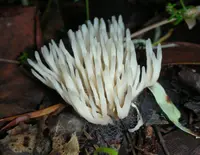
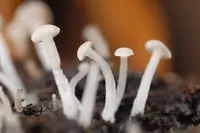
This fungus forms very slender, translucent white to pale cream clubs that often appear in dense clusters on decaying hardwood, especially on waterlogged or very damp branches.

Preference for wet wood

It is strongly associated with soaked or periodically submerged woody debris along streams, ditches, and damp woodland floors, making it a good indicator of persistently wet microhabitats.

Gelatinous texture change

The fruiting bodies have a soft, gelatinous texture when moist, but they shrink and become tougher or almost invisible when dry, then rehydrate and regain shape after rain.

Botan icon

Did you know?

Microscopic examination of this species shows slender, needle-like ascospores and characteristic cup-derived tissue, which help mycologists reliably distinguish it from superficially similar white club fungi in the field and laboratory.

FAQs about oak pin

This small cup fungus develops slowly from microscopic spores into visible pins over several weeks in cool, wet conditions. Individual fruiting bodies stay tiny, usually only a few millimeters tall, even in optimal sites.

Grow Healthy Plants with Botan Care

Keep your plants happy and healthy with plant identification, disease detection, and easy care guidance.

Botan plant care app — identify plants on mobile

Explore More Plants