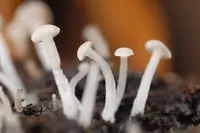
spring pin Care (Cudoniella clavus)

spring pin

About spring pin

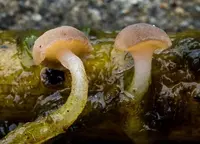
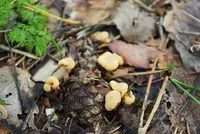
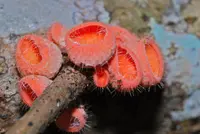
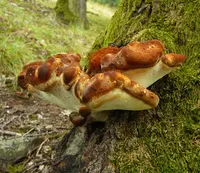
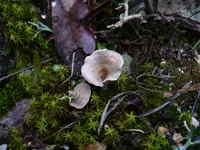
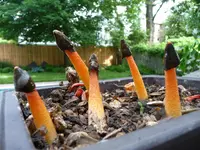
Spring pin (Cudoniella clavus) is a small, cup-like fungus rather than a traditional leafy houseplant. It forms tiny, pale, pin-shaped cups on decaying, waterlogged wood and plant debris. These fruiting bodies often appear in clusters and can carpet damp, shaded areas near streams or in wet woodlands. In nature, it plays a role in breaking down dead organic matter. Cudoniella clavus is not commonly cultivated and is considered challenging to maintain in typical home conditions. It prefers consistently cool, moist, shaded environments with rotting wood, so attempts to care for spring pin indoors are rarely successful.


Main Plant Requirements

Care Difficulty

Hard Care

Light Preference

Shade

Water Requirements

Aquatic

Temperature Preference

Cool Climate

Hardiness Zone

Unknown

Soil Texture

Silty, Organic-rich

Soil pH

Acidic (5.5–6.5)

Soil Drainage

Waterlogged tolerant

Fertilization

Minimal (feed rarely)

Get Personalized Care Plan

Scan your plant to receive care tips personalized for your specific plant

Available on iOS and Android

How to Care for the spring pin

This fungus thrives in cool, moist woodland light rather than strong, direct sun.

  • Provide dappled or filtered light with 1–3 hours of gentle morning sun and full shade by midday, mimicking a damp forest floor.
  • Site spring pin under deciduous shrubs or trees so it receives bright shade in summer and softer, slightly brighter light in fall and early spring.
  • Avoid harsh afternoon sun, which dries substrates and damages delicate fruiting bodies; deep, constant shade may reduce fruiting density and visibility.

Cudoniella clavus develops best on consistently moist, not flooded, woody or leafy substrates.

  • Maintain evenly damp conditions around host wood or leaf litter; the surface should feel moist but not have standing water or a sour smell.
  • Use local rainfall as the main source of moisture; in dry spells, lightly soak the area when the top 1–2 cm of leaf litter feels dry and crumbly.
  • Watch for signs of excess water such as slimy, rotting debris and foul odor, or for underwatering such as brittle substrates and shriveled fruiting bodies.

This species prefers cool to mild conditions typical of moist, temperate woodlands.

  • Optimal fruiting occurs around 50–65°F (10–18°C), with mycelial growth possible from roughly 40–70°F (4–21°C) if moisture is stable.
  • Tolerates brief dips near 32°F (0°C), but repeated hard frosts or freeze–thaw cycles can damage exposed fruiting bodies and reduce visible growth.
  • Sustained heat above 75–80°F (24–27°C), especially when dry, slows development; shade and ample moisture partly buffer short warm spells.

This wood-inhabiting fungus grows best in consistently moist, humid air around 70–90% in shaded outdoor sites.

  • Tolerates brief dips to 50–60% humidity if substrate moisture stays high, but prolonged dry air shrivels the small cups.
  • Watch for pale, collapsing fruiting bodies and cracked margins as signs of low humidity stress.
  • Increase humidity by keeping the decaying wood substrate evenly damp, adding nearby mulch, and shielding the colony from direct drying wind.

Cudoniella clavus fruits on very wet, decaying wood rather than in typical garden soil, so conditions should mimic a saturated, woody forest floor.

  • Use a base of heavily decomposed hardwood chips or rotted logs mixed with some leaf litter to create a spongy, organic-rich substrate.
  • Ensure water can drain slowly, not sit stagnant; a shallow layer of gravel beneath the woody material prevents complete waterlogging yet keeps it very moist.
  • Maintain a slightly acidic reaction around pH 5.0–6.5 by using oak, beech, or other non-limed wood and avoiding ash or lime additions.
  • Keep the substrate shaded and continuously damp, never letting it dry out, and avoid mineral, sandy, or compacted soils that do not support wood decay.

This species can be grown in shallow containers that hold consistently wet, decaying wood substrate outdoors.

  • Select a broad, shallow tray or box that allows a horizontal layer of rotting wood pieces, giving the fungus enough colonization surface.
  • Drill side and base holes so excess water seeps out slowly, keeping the substrate wet but preventing complete stagnation and anaerobic conditions.
  • Use a heavier or weighted container material to keep the moist, wood-filled setup stable and prevent tipping in wind or when saturated with water.

Cudoniella clavus, sometimes called spring pin, is a saprophytic fungus that gains nutrients from decaying wood and does not need intentional fertilizing in cultivation.

Cudoniella clavus is not managed like a typical garden plant, so pruning is unnecessary and not recommended.

This wood-inhabiting fungus is rarely grown in containers; care focuses on positioning suitable substrate rather than classic repotting.

  • Transplant only by moving colonized wood or bark pieces to a similar cool, moist, shaded site.
  • Act in mild weather during spring or early fall to limit stress from drying or heat.
  • Avoid breaking or scraping the gelatinous fruiting bodies; handle supporting wood gently instead.
  • Keep the new site evenly moist, mimicking the original habitat to help the mycelium re-establish.

Propagation of Cudoniella clavus is mainly of interest to specialists and is not a routine home cultivation task.

This species is naturally cold hardy in temperate regions and normally needs no special winter care.

Care Tips

Moisture mapping

Place several shallow moisture probes or use your finger at multiple spots in the substrate or log to confirm that the entire colonized area stays evenly damp, since localized dry patches will quickly stop fruiting in Cudoniella clavus colonies.

Gentle airflow control

Use a small fan set on low and directed away from the colony to keep air gently moving, which reduces stagnant moisture films on the jelly-like fruiting bodies and helps prevent mold without drying them out.

Shade buffering

Create a stable shade zone with shade cloth or stacked boards above the fruiting wood so light and surface temperature stay consistent during the day, which supports regular and longer fruiting flushes.

Clean handling routine

Harvest with clean gloved hands or sterilized tweezers and remove any decaying debris from around the colony, since a strict hygiene routine greatly limits opportunistic fungi and bacteria that can overrun the delicate fruit bodies when growing spring pin.

Substrate longevity check

Periodically inspect the host wood or plant debris and replace or supplement it when it becomes very soft, crumbly, or depleted, because Cudoniella clavus needs relatively fresh, firm, and consistently moist organic matter to continue fruiting over multiple seasons.

Common Pests and Diseases

Saprophagous springtails

These insects feed on decaying wood and organic matter around the fungus and may cover the fruiting bodies in dense clusters. This pest does not usually damage tissues directly but can obscure and foul the small cups, especially in very damp, confined setups.

Solution

Limit excess moisture and standing water around the substrate, improve ventilation, and allow the surface to dry slightly between heavy misting events. In contained cultivation, reduce organic debris on the surface and use sticky traps or manual removal to keep numbers low without disrupting the fungal colony.

Fungus gnat larvae

This pest develops in constantly wet, organic substrates and the larvae can graze on delicate fungal tissues while feeding on algae and decomposing material. Symptoms include thinning or collapse of young fruiting bodies in overly saturated containers or culture trays.

Solution

Allow the upper layer of the substrate to dry slightly, increase air movement, and remove algae or soft decomposing debris where possible. Use yellow sticky traps for adults and, in culture setups, switch to a better-drained substrate or add a fine top dressing of sand to make the surface less suitable for egg-laying.

Competing wood-decay fungi

This disease pressure comes from faster-growing wood-decay fungi that colonize the same dead twigs or branches and can overrun or suppress spring pin colonies. Symptoms include the appearance of other crusts, brackets, or molds on the wood while C. clavus fruiting becomes patchy or disappears.

Solution

Select fresh but already dead hardwood twigs with minimal visible fungal growth for cultivation or observation, and replace heavily colonized wood pieces as other fungi establish. Keep conditions moderately moist but not waterlogged, and avoid adding heavily contaminated outdoor wood to controlled culture containers.

Green saprophytic molds

This disease is caused by common green molds such as Trichoderma that rapidly cover the moist substrate or wood surface, outcompeting the small disc-like fruiting bodies. Symptoms include a powdery or velvety green layer that spreads over and around the cups.

Solution

Improve air circulation, avoid continuous saturation, and remove heavily overgrown wood or substrate sections from culture containers. Use cleaner starting material, sterilized or pasteurized substrate when possible, and reduce nutrient-rich debris that favors aggressive molds to support more stable Cudoniella clavus care conditions.

Interesting Facts

Water-locked habitat

This fungus is strongly associated with submerged or partially submerged decaying hardwood, especially fallen twigs and small branches in streams, ditches, and other standing or slowly moving water.

Fluid-filled cups

Its tiny pale discs often hold a drop of clear liquid in the center, a feature created by the concave fruiting body that can trap water and spores together on the surface.

Gelatinous tissue structure

The fruiting bodies are distinctly gelatinous and elastic when moist, an adaptation that helps them withstand repeated wetting and drying cycles in fluctuating water levels.

Botan icon

Did you know?

The species is considered a classic indicator of long-persisting, undisturbed woody debris in freshwater systems, so its presence can signal stable microhabitats within small streams and ponds.

FAQs about spring pin

This small cup fungus develops from tiny pins to mature fruiting clusters within a few weeks under cool, wet conditions. Individual colonies stay low and modest, but can reappear seasonally in the same damp, decaying-wood sites.

Grow Healthy Plants with Botan Care

Keep your plants happy and healthy with plant identification, disease detection, and easy care guidance.

Botan plant care app — identify plants on mobile

Explore More Plants