Yellow-foot Waxcap Care (Cuphophyllus flavipes)

Yellow-foot Waxcap

About Yellow-foot Waxcap

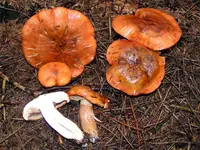
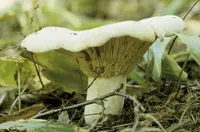
Yellow-foot waxcap (Cuphophyllus flavipes) is a small, waxy-capped mushroom rather than a leafy plant. It typically forms clusters of slender, yellowish stems topped with smooth caps in shades of cream to pale yellow. This species is usually found in unimproved grasslands, meadows, and mossy lawns, especially in cool, damp regions. It grows from soil rich in organic matter and often appears in autumn when conditions are moist. The species can be challenging to cultivate because it depends on specific soil biology and stable, low-nutrient conditions. For anyone wishing to care for Yellow-foot Waxcap in managed landscapes, keeping turf low in fertilizer and avoiding soil disturbance is usually essential.

Main Plant Requirements

Care Difficulty

Hard Care

Light Preference

Partial Shade

Water Requirements

Keep Soil Moist

Temperature Preference

Cool Climate

Hardiness Zone

Unknown

Soil Texture

Loamy, Silty, Organic-rich

Soil pH

Acidic (5.5–6.5)

Soil Drainage

Moist but well-drained

Fertilization

Minimal (feed rarely)

Get Personalized Care Plan

Scan your plant to receive care tips personalized for your specific plant

Available on iOS and Android

How to Care for the Yellow-foot Waxcap

This grassland fungus prefers cool, open sites with consistent but gentle light rather than strong, all-day sun.

  • Provide 3–5 hours of soft morning sun with bright, dappled light or light shade for the rest of the day, avoiding harsh afternoon exposure.
  • Yellow-foot Waxcap often fruits best in short, closely grazed turf where taller plants do not cast deep shade for longer than 4–6 hours.
  • Excessive direct sun dries the soil surface and mycelium; too much shade reduces fruiting, so adjust surrounding vegetation seasonally to keep a balanced, open sward.

This waxcap relies on steadily moist but not waterlogged soil in low-nutrient grassland.

  • Aim for soil that stays lightly moist in the top 2–5 cm, allowing only brief surface drying between natural rains or supplemental watering.
  • Cuphophyllus flavipes declines in compacted, saturated ground; ensure excess water can drain away and avoid standing water after heavy rain.
  • Watch for caps becoming small and sparse in prolonged drought as a sign to irrigate gently, and for slimy, collapsing fruiting bodies as a warning of chronic overwatering.

This species favors cool, temperate conditions and fruits most reliably in mild autumn weather.

  • Optimal fruiting typically occurs around 45–60°F (7–16°C), with the underground mycelium active across a broader cool range.
  • The fungus tolerates short dips near 28–32°F (-2–0°C), but repeated hard freezes below this range can damage fruiting bodies and reduce visible crops.
  • Prolonged heat above 75°F (24°C) with dry soil suppresses fruiting, so in hot summers maintain moisture and light shade from surrounding grasses where possible.

This fungus prefers moist, cool air but humidity management is usually secondary to maintaining consistently damp substrate.

  • Aim for ambient humidity around 60–80% in culture tents or chambers to prevent caps and gills from drying.
  • Tolerates brief dips to 40–50% if the substrate stays evenly moist, but prolonged dry air shrivels caps and cracks margins.
  • Watch for pale, brittle, curling fruiting bodies as humidity stress; increase humidity with fine misting, damp perlite trays, or a humidifier outside the culture container.

Cuphophyllus flavipes fruits best in a moist, fine-textured, organic-rich substrate with steady but not stagnant moisture.

  • Use a mix mimicking short grassland turf: sifted loam, fine sand, and well-decomposed leaf mold or compost in roughly equal parts.
  • Ensure free drainage so excess water exits quickly, while the upper 3–5 cm remain evenly moist, never waterlogged.
  • Target a slightly acidic to neutral pH around 5.5–7.0, avoiding strongly limed or heavily fertilized substrates that disrupt fungal development.
  • Improve aeration by incorporating fine grit or sand rather than coarse bark, and avoid compacting the surface where mycelium and moss-like associates develop.

This species is poorly suited to conventional container growing, since it relies on complex grassland soil communities that are difficult to maintain in pots.

This woodland fungus usually grows without added nutrients, so fertilizing Yellow-foot Waxcap is rarely necessary in gardens.

Pruning needs for Cuphophyllus flavipes are minimal, focused only on maintaining site hygiene around fruiting bodies.

This species is not suited to container culture, so management centers on careful transplanting of its habitat rather than the fungus itself.

  • Avoid disturbing established fruiting sites unless soil must be moved for construction or safety reasons.
  • If relocation is unavoidable, move intact turf or sod sections with minimal soil disruption in late fall or early spring.
  • Keep moved soil patches evenly moist and shaded to support the underlying fungal network, known as mycelium.
  • Limit traffic and compaction on new sites so the fungus can re-establish and resume fruiting.

Propagation of Cuphophyllus flavipes is challenging and not reliably controlled by gardeners or home growers.

Cuphophyllus flavipes is naturally cold hardy in temperate climates and usually needs no special winter care.

Care Tips

Substrate rotation

Rotate or gently rake the leaf-litter and moss layer once or twice a year to prevent compaction and maintain the loose, aerated conditions this mycorrhizal fungus needs to fruit well.

Host grass management

Maintain a low, diverse sward of fine grasses by mowing high and removing clippings, which favors the stable, low-nutrient turf that supports Yellow-foot Waxcap populations.

Foot traffic control

Limit walking, pet activity, and equipment use over known fruiting patches to avoid soil compaction and mechanical damage to the underground mycelium network.

Chemical-free zone

Avoid applying lawn fertilizers, herbicides, or fungicides within and around the fruiting area, as increased nutrients and chemical residues can suppress waxcap formation over time.

Seasonal moisture buffering

In drought-prone periods, use a thin, loose layer of well-decayed leaf litter to help buffer soil moisture without enriching nutrients, which is particularly useful when caring for Yellow-foot Waxcap in managed lawns or meadow-style plantings.

Common Pests and Diseases

Mycophagous springtails

These insects feed on fungal tissues in moist habitats and can graze gills, caps, and stipes of small waxcap fruiting bodies. Symptoms include fine surface pitting, uneven cap edges, and slow disintegration of older mushrooms in very wet mossy turf or leaf litter.

Solution

Limit chronic waterlogging around fruiting areas, gently lift and discard heavily grazed mushrooms, and reduce thick thatch or dense moss where springtails shelter. Where possible, improve drainage and avoid piling grass clippings or organic debris directly over known fruiting spots to make the habitat less favorable.

Fungus gnat larvae

This pest lives in very moist, organic-rich soil and litter, where larvae chew on developing fungal tissues, especially bases of young fruiting bodies. Symptoms include collapsing or toppled mushrooms with soft, tunneled stipes and presence of tiny black adult gnats hovering above the fruiting patch.

Solution

Allow the top layer of soil or moss to dry slightly between wet periods, and remove heavily infested fruiting bodies to break the larval cycle. In cultivated or observation areas, use fine mesh over very moist patches and avoid constant surface irrigation that favors gnat breeding.

Slug and snail grazing

These pests feed directly on the caps and gills, especially in shaded, damp grassland or woodland edges. Symptoms include irregular holes, shredded cap margins, slime trails, and rapid loss of small clusters after rain.

Solution

Hand-pick slugs and snails during damp evenings, and remove nearby refuges such as boards, stones, and dense piles of debris. In sensitive habitats, use physical barriers like copper tape or rough, dry mulch zones rather than chemical baits to protect fruiting bodies while maintaining local biodiversity.

Saprobic competitor fungi

This issue arises when faster-growing decomposer fungi colonize the same organic layer and outcompete waxcaps for space and resources. Symptoms include a gradual decline in waxcap fruiting where dense mats of other mushrooms, moldy thatch, or thick, white fungal mycelium dominate the turf or litter.

Solution

Maintain low-fertility, short-cut grassland with minimal fertilizer and limited organic buildup to favor waxcap communities over aggressive decomposer fungi. Periodic gentle scarification or raking to thin thatch, combined with removing heavy leaf layers, can gradually shift the balance back toward waxcaps and support long-term Cuphophyllus flavipes care instructions in semi-managed sites.

Interesting Facts

Yellow-staining gills

The gills of this waxcap mushroom develop a characteristic yellow stain, which helps distinguish it from closely related white or pale waxcap species in the field.

Grassland specialist

This species is typically associated with old, unimproved grasslands that have not been heavily fertilized, making it an indicator of traditional, low-intensity land management.

Slimy, waxy cap

The fruiting bodies have a smooth, sometimes slightly slimy cap surface with a waxy texture, a hallmark of waxcap fungi that helps reduce water loss and protect the tissues.

FAQs about Yellow-foot Waxcap

This waxcap is generally regarded as inedible. It is not known to be dangerously toxic, but identification of waxcap fungi is difficult, and confusion with similar species is possible. For safety, it should not be collected for food.

Grow Healthy Plants with Botan Care

Keep your plants happy and healthy with plant identification, disease detection, and easy care guidance.

Botan plant care app — identify plants on mobile

Explore More Plants