Habitat-style layout
Establish a short, unimproved grassland area with infrequent mowing and no fertilizers, herbicides, or heavy traffic, as this low-nutrient, stable sward best supports growing Meadow Waxcap over many seasons.

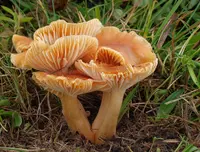
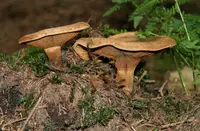
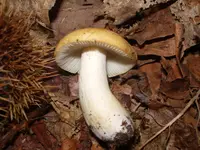
Meadow waxcap, Cuphophyllus pratensis, is a small, grassland mushroom rather than a leafy houseplant. It forms smooth, waxy caps in warm shades of yellow, orange, or buff, with sturdy pale stems. This fungus typically appears in unimproved meadows, lawns, and pastures, especially in cool, temperate regions of Europe and parts of North America. It is strongly linked to low-nutrient, undisturbed grassland, which makes it sensitive to fertilizer use and habitat change. Because it depends on very specific soil conditions and long-established turf, it is not easy to cultivate deliberately. Most advice on how to care for Meadow Waxcap focuses on maintaining traditional, low-input grassland rather than growing it in pots or beds.

Care Difficulty
Hard Care

Light Preference
Partial Shade

Water Requirements
Regular Water

Temperature Preference
Cool Climate

Hardiness Zone
3–8

Soil Texture
Loamy, Silty, Organic-rich

Soil pH
Acidic (5.5–6.5)

Soil Drainage
Moist but well-drained

Fertilization
Minimal (feed rarely)
Scan your plant to receive care tips personalized for your specific plant
Available on iOS and Android
This grassland fungus prefers cool, open meadows with gentle, indirect light rather than harsh exposure.
This species depends on consistently moist, but not waterlogged, grassland soil supported by natural rainfall patterns.
This fungus is adapted to cool, temperate grasslands and fruits mainly in mild autumn conditions.
Humidity is not a major factor for Cuphophyllus pratensis compared with moisture and soil conditions, so standard outdoor ambient levels are usually adequate.
Cuphophyllus pratensis thrives in undisturbed, moist but not waterlogged grassland soils with stable structure and moderate fertility.
This species is not suitable for container growing, as it depends on stable grassland ecosystems and complex soil–root interactions that cannot be replicated in pots.
This grassland fungus is adapted to low-nutrient soils and generally should not be fertilized.
Pruning is not a standard practice for Cuphophyllus pratensis, as it is a small, short-lived mushroom fruiting from soil mycelium.
This species is not suited to typical pot culture; focus on careful site preparation rather than moving established colonies.
Propagation of Cuphophyllus pratensis in gardens is unreliable and mainly experimental, as the fungus depends on complex soil communities.
This meadow waxcap is cold hardy in temperate climates and normally needs no active winter care.

Plant Health Check
Not sure what's wrong with your plant? Check your plant's health inside the app.
This species is a characteristic member of unimproved, low-nutrient grasslands in Europe, where its presence helps indicate long-term continuity of traditional pasture or meadow management.
The fruiting body has thick, widely spaced, waxy gills that often appear somewhat greasy or lubricated, a hallmark feature of many waxcap fungi and useful for field identification of this species.
Mature fruiting bodies show a range of colors from warm orange to buff or ochre, often fading with age, which differentiates it from some brighter red or yellow waxcaps sharing the same habitat.

Unlike many common grassland fungi, this waxcap is not thought to form typical mycorrhizal partnerships with plant roots; instead, it likely relies on a specialized, still not fully understood nutritional strategy linked to old, undisturbed soils, which contributes to its sensitivity to agricultural intensification.
This species is generally regarded as edible but not highly valued and should only be eaten when confidently identified, as similar waxcaps can be confused. Always collect from clean, pesticide‑free grassland and cook thoroughly before consumption.
Keep your plants happy and healthy with plant identification, disease detection, and easy care guidance.