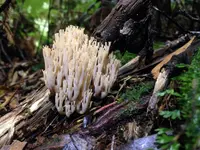
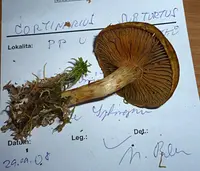
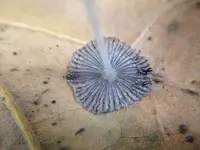
dung-loving bird's nest fungus Care (Cyathus stercoreus)

dung-loving bird's nest fungus

About dung-loving bird's nest fungus

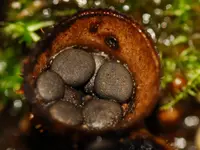
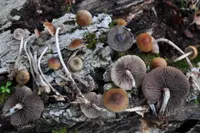
Cyathus stercoreus, commonly called dung-loving bird's nest fungus, is a small, cup-shaped fungus rather than a true plant. It forms tiny nest-like cups filled with spore-containing structures that resemble eggs. These usually appear on manure, wood chips, or other rich organic debris. Native to many temperate and tropical regions, it often shows up in gardens, mulched beds, and compost heaps. It spreads readily where organic matter stays moist, so learning how to care for dung-loving bird's nest fungus is mostly about managing those conditions. It typically prefers damp, nutrient-rich substrates and moderate light, and often arrives on its own rather than through deliberate cultivation.

Main Plant Requirements

Care Difficulty

Hard Care

Light Preference

Partial Shade

Water Requirements

Keep Soil Moist

Temperature Preference

Warm Climate

Hardiness Zone

Unknown

Soil Texture

Loamy, Organic-rich

Soil pH

Acidic (5.5–6.5), Slightly acidic (6.5–7.0)

Soil Drainage

Moist but well-drained

Fertilization

Minimal (feed rarely)

Get Personalized Care Plan

Scan your plant to receive care tips personalized for your specific plant

Available on iOS and Android

How to Care for the dung-loving bird's nest fungus

This saprophytic fungus develops best in stable, moderate light rather than intense direct sun.

  • Provide bright, indirect light or light dappled shade; 2–4 hours of gentle morning sun is acceptable, but avoid harsh midday/afternoon exposure that can dry the substrate rapidly.
  • Dung-loving bird's nest fungus forms most reliably where taller plants, mulch, or debris cast broken shade, similar to a lightly shaded forest floor or sheltered garden bed.
  • In summer, protect from intense sun that overheats manure or compost; in cooler months, a slightly more open position helps compensate for shorter day length and weaker light.

This species relies on consistently moist, not waterlogged, organic material to fruit well.

  • Maintain evenly moist manure, compost, or rich organic debris; allow only the top 1–2 cm to start drying before rewetting, using a gentle soak rather than brief sprinkling.
  • Cyathus stercoreus responds poorly to saturated, airless conditions; improve drainage with coarse organic matter so excess water drains away while moisture remains in the substrate.
  • Watch for signs of stress: crusty, pale, or shrinking fruiting bodies suggest the substrate is too dry, while foul anaerobic odor or slimy patches indicate chronic overwatering.

Stable, mild temperatures support reliable fruiting and substrate colonization.

  • Optimal development occurs around 68–77°F (20–25°C), with steady moisture and shade helping buffer short-term fluctuations in exposed manure or compost heaps.
  • The mycelium usually tolerates down to about 41–45°F (5–7°C) but fruiting slows or stops; repeated frosts can damage exposed structures and delay new cup formation.
  • Heat above 86–90°F (30–32°C), especially with direct sun, can over-dry the substrate; deeper placement in the pile or light shading reduces temperature extremes across seasons.

This fungus prefers consistently moist, high-humidity conditions similar to a damp compost heap.

  • Aim for 60–90% humidity, keeping the substrate surface from drying out between waterings.
  • It tolerates brief dips in humidity but prolonged dry air slows fruiting and shrivels the cup-like structures.
  • Signs of low humidity include pale, brittle fruiting bodies and cracked substrate crusts.
  • Increase humidity by misting the substrate surface, using a loose humidity tent, or placing trays of damp organic matter nearby.

Cyathus stercoreus grows best on loose, organic-rich, manure-based substrates rather than standard potting soil.

  • Use a mix of well-rotted manure, finished compost, and a small portion of coarse material such as bark fines to keep structure open.
  • Ensure drainage is moderate, not rapid; the substrate should stay evenly moist but never waterlogged or compacted.
  • A slightly acidic to neutral reaction (pH 6.0–7.0) supports decomposition and stable fungal growth.
  • Avoid sterile, sandy, or peat-only mixes and very alkaline materials, which slow organic breakdown and limit nutrient release.

This species can be grown in shallow containers that mimic a moist manure or compost surface.

  • Choose a broad, shallow tray to maximize exposed surface area where fruiting bodies can develop rather than a deep pot volume.
  • Use containers with drainage holes but place them on a catch tray so moisture levels stay high without standing water around the substrate.
  • Opaque or thick-walled containers help buffer rapid temperature and moisture swings, stabilizing the decomposing manure-based substrate.

Cyathus stercoreus is a saprophytic fungus that usually obtains enough nutrients from its organic substrate and needs no additional fertilizer in typical culture.

Cyathus stercoreus does not require conventional pruning because its fruiting bodies are short-lived and naturally replaced.

  • Remove spent or moldy substrate with gloved hands or a small scoop to keep the culture clean.
  • Discard collapsed or discolored fruiting clusters to limit unwanted microbes and maintain appearance.
  • Avoid cutting individual cups; instead renew the entire substrate layer if growth becomes sparse or contaminated.

For container culture, focus on renewing the organic substrate rather than classic repotting when growing dung-loving bird's nest fungus.

  • Replace the substrate when fruiting declines, contamination increases, or the material is fully decomposed.
  • Refresh trays in mild seasons, avoiding extreme heat or cold to reduce stress on developing mycelium.
  • Move the colony gently with a thin layer of its existing substrate onto fresh, moist organic matter.
  • Keep new substrate evenly moist but not waterlogged to help the mycelium re-establish and resume fruiting.

Cyathus stercoreus is usually propagated by spores rather than by vegetative methods.

  • Allow mature cups to develop and discharge spores naturally over fresh, moist organic substrate rich in manure or decomposing plant material.
  • Set up new cultures in warm, shaded conditions with good airflow to support spore germination and mycelium growth.
  • Maintain consistent, light moisture and avoid standing water, which can suppress spore viability and favor unwanted fungi.

This species is generally cold tolerant in temperate climates and usually needs no special winter care outdoors.

  • In very cold regions, maintain cultures in an unheated but frost-free shed or garage for more reliable fruiting.
  • If grown in shallow trays, keep substrate just moist, not saturated, during winter dormancy-like periods.

Care Tips

Substrate layering

Place a thin top layer of well-aged, manure-rich organic matter over a coarser, free-draining base layer so the fungus has nutrient-dense material to fruit on while excess moisture drains away from the lower zone.

Controlled colonization

Introduce small pieces of already colonized dung or substrate onto fresh, pasteurized manure to speed up establishment and maintain a genetically uniform, reliable fruiting population.

Moisture microclimate

Set shallow trays of damp, inert material such as perlite or washed gravel around, but not under, the culture to raise local humidity without waterlogging the fruiting substrate.

Spore spread management

Position cultures in a low-draft area and use vertical splash guards or tall tray edges to limit spore-carrying splash, which helps keep dung-loving bird's nest fungus from spreading unintentionally to nearby pots or beds.

Hygiene and rotation

Discard and replace substrate once it becomes compacted, foul-smelling, or overgrown with green molds, and clean containers with hot water and detergent between batches to maintain healthy conditions when growing dung-loving bird's nest fungus.

Common Pests and Diseases

Saprophagous flies

These insects are attracted to very wet, nutrient-rich substrates and can lay eggs in the organic matter where the fungus grows. Symptoms include small flies hovering over the culture and maggots feeding on the substrate surface.

Solution

Reduce excess moisture in the substrate, improve air movement, and promptly remove any overly decomposed, foul-smelling material. If needed, use fine mesh covers over outdoor culture trays and apply targeted fly traps near, but not directly over, the fungus to limit adult populations without disturbing fruiting bodies.

Mite colonization

These pests are tiny arthropods that feed on fungal mycelium and spores in humid, organic-rich environments. Symptoms include slow or uneven development of fruiting bodies and a fine dust-like movement on the substrate when closely inspected.

Solution

Lower humidity slightly, increase airflow, and avoid overfeeding the culture with rich organic material that favors mite buildup. For localized problems, remove and discard the most affected substrate portions and, if needed, briefly chill the culture (within species tolerance) to reduce mite activity without damaging the fungus.

Competing mold overgrowth

This disease involves fast-growing molds such as Trichoderma or Penicillium species that invade the same substrate and outcompete the bird’s nest fungus. Symptoms include thick green, blue, or white fuzzy growth that covers or replaces the small cup-like fruiting bodies.

Solution

Physically remove and discard heavily contaminated substrate and any mold-covered material, then restart cultures with fresh, pasteurized or well-aged substrate. Improve hygiene by using clean tools and containers, and adjust moisture so the substrate is moist but not waterlogged to favor stable, balanced decomposition when aiming to grow Cyathus stercoreus.

Bacterial substrate decay

This disease develops in overly wet, compacted manure or organic waste where bacteria dominate and create anaerobic, foul-smelling pockets. Symptoms include slimy patches, strong rotten odors, and failure of normal fruiting body formation in affected zones.

Solution

Loosen compacted substrate, drain excess water, and remove the slimiest portions before they spread. Maintain a more open, well-aerated mix and moderate moisture so the substrate stays damp but not saturated, which stabilizes conditions for consistent fungal development.

Interesting Facts

Splash-powered spore dispersal

This fungus forms tiny cup-shaped fruiting bodies that collect raindrops, which then splash the egg-like spore packets (peridioles) several decimeters away, a mechanism known as splash-cup dispersal.

Dung specialist habitat

It commonly develops on old herbivore dung and richly manured soil, helping break down fibrous plant material and returning nutrients to the decomposer food web.

Sticky spore projectiles

Each peridiole is connected by a coiled, sticky cord called a funiculus that can adhere to grass blades or other surfaces when splashed, positioning the spores to be eaten by grazing animals and spread further through their dung.

Botan icon

Did you know?

This species produces a highly melanized, dark outer layer on its fruiting bodies that protects its reproductive structures against intense sunlight and desiccation, allowing it to function effectively in exposed pasture and field environments.

FAQs about dung-loving bird's nest fungus

This species spreads efficiently where there is moist organic debris or manure, but it is not usually harmful. It forms small colonies in mulched beds or pots and may reappear seasonally as conditions stay favorable.

Grow Healthy Plants with Botan Care

Keep your plants happy and healthy with plant identification, disease detection, and easy care guidance.

Botan plant care app — identify plants on mobile

Explore More Plants