



Best Soil for Cycad (Cycas pectinata)

Cycas pectinata grows best in a loose, well-drained mix with slight acidity, which supports healthy roots and steadier long-term growth.

Soil Texture

Sandy, Loamy, Organic-rich

Soil pH

Acidic (5.5–6.5), Slightly acidic (6.5–7.0)

Soil Drainage

Well-drained

Cycas pectinata Soil Guide

Native to parts of South and Southeast Asia, Cycas pectinata grows in warm settings where soil drains freely and does not stay soggy. Its natural conditions point to a sandy or loamy substrate with some organic matter, which keeps enough moisture around the roots without becoming heavy.

Like other cycads, it has a stout underground stem and sensitive roots that benefit from air around them. The best soil for Cycad is loose, well-drained, and slightly acidic to acidic, so water moves through steadily while the root zone stays open and stable.

A simple custom mix gives Cycas pectinata the balance of drainage and moisture control it needs in containers.

100% total mix = 20 scoops
15%
coarse sand3 scoops
20%
perlite or pumice4 scoops
30%
coarse potting soil6 scoops
35%
pine bark fines7 scoops

The finished blend should feel loose and gritty, break apart easily in the hand, and let excess water pass through without staying compacted.

A good target for Cycad is slightly acidic to mildly acidic soil, around 5.5–6.8 pH. That range supports steady nutrient availability without pushing the root zone too far acidic or too close to alkaline.

If pH drifts much higher, some nutrients become harder for the plant to take up efficiently. A mix kept near this range usually supports more balanced growth over time.

This species can struggle when the root zone stays stale or compressed for long periods. Check the soil first when growth seems to slow.

Compacted mix:

Dense soil that stays heavy after watering can reduce airflow around roots, so loosen the surface gently and plan to replace the medium with a more open blend.

Staying wet too long:

If the pot remains damp for many days and the soil smells musty, increase drainage and let the mix dry a bit more between thorough waterings.

Hydrophobic dry pockets:

Old organic material can repel water and leave some areas dry while others wet, so re-wet the mix slowly and evenly until moisture spreads through it.

Salt buildup:

A crust on the surface or pot rim may point to mineral residue, so flush the soil thoroughly once and review the water source if buildup returns.

Get the Soil Right

Botan helps match this plant to a more suitable soil setup, so container mixes are easier to judge before problems build up.

FAQ

Yes. A pot with enough depth helps support a stable root zone and more even moisture patterns, but excessive depth can leave unused soil wet for too long near the bottom.

More Plant Soil Guides

Check What the Soil Is Doing

Botan’s photo-based assessment can help check whether soil conditions may be part of what shows up in the leaves or overall growth.

Botan app helping with soil and plant care
How to Bottom Water Plants: Complete Guide

6 min read · 13 Jul 2026

How to Bottom Water Plants: Complete Guide

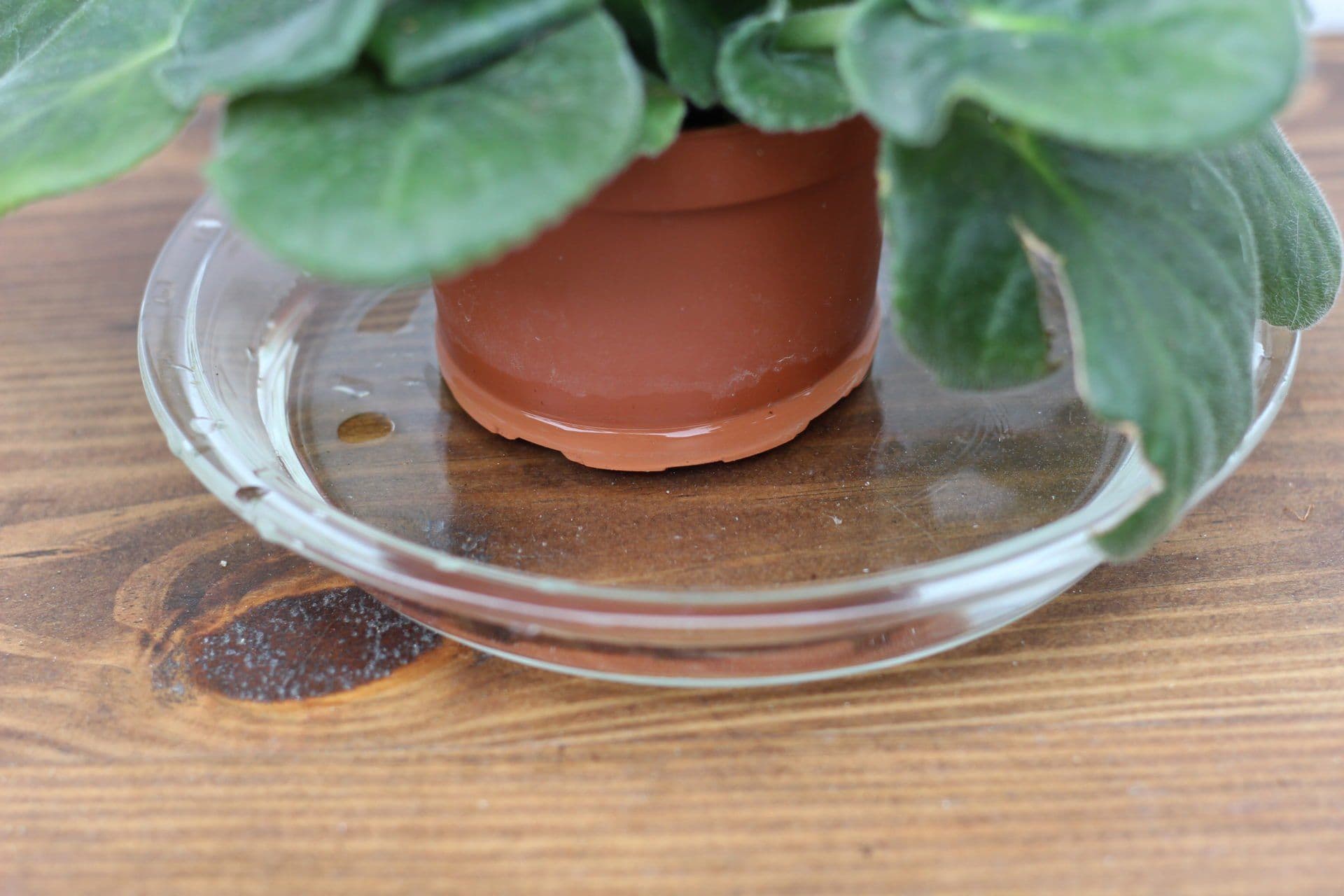
Bottom watering helps soil absorb moisture evenly and keeps foliage dry, reducing the risk of missed dry spots or root problems. Place the pot in a tray of water for a short time, then let it drain well.

Plant Care
How to Bottom Water Plants: Complete Guide
12 Best Plants That Repel Spiders For Your Home and Garden

8 min read · 24 Jul 2026

12 Best Plants That Repel Spiders For Your Home and Garden

Spiders constantly appear in places you don't want them. A few common plants can help repel them using scent alone. Here are 12 options suitable for both indoors and outdoors, plus care tips for each.

Plant Recommendations
12 Best Plants That Repel Spiders For Your Home and Garden
How to Mist Plants – Proper Technique and Common Mistakes

7 min read · 30 Jul 2026

How to Mist Plants – Proper Technique and Common Mistakes

Find out when misting works well and when to avoid it. Here, you’ll find detailed information about compatible and incompatible species, tips on how often to mist plants and do it correctly, and some great alternatives for raising humidity.

Beginner Guides
How to Mist Plants – Proper Technique and Common Mistakes