lime fern Care (Cyclopeltis semicordata)

lime fern

About lime fern

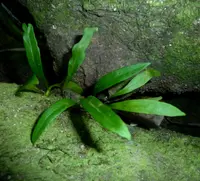
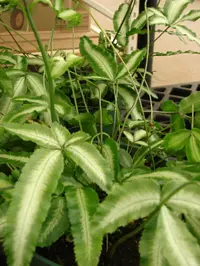
Lime fern, Cyclopeltis semicordata, is a tropical evergreen fern valued for its bold, glossy fronds and compact, clumping growth habit. It forms a low, dense mound that suits tabletops, shelves, or the lower layer of a mixed indoor display.

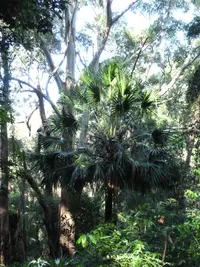
In nature it grows on the forest floor in humid, shaded areas across tropical Asia and the Pacific. This background makes it adapted to stable warmth, filtered light, and evenly moist conditions.

Its firm fronds and relatively slow growth make it moderately easy to maintain, provided humidity and moisture are consistent. Understanding how to care for lime fern starts with protecting it from dry air, strong sun, and soggy or compacted soil.

Main Plant Requirements

Care Difficulty

Moderate Care

Light Preference

Partial Shade

Water Requirements

Keep Soil Moist

Temperature Preference

Tropical / Frost Sensitive

Hardiness Zone

11–12

Soil Texture

Loamy, Peaty, Organic-rich

Soil pH

Acidic (5.5–6.5)

Soil Drainage

Moist but well-drained

Fertilization

Light (every 4–6 weeks)

Get Personalized Care Plan

Scan your plant to receive care tips personalized for your specific plant

Available on iOS and Android

How to Care for the lime fern

This tropical fern prefers gentle, filtered light that mimics an understory forest habitat.

  • Provide bright, filtered light or light dappled shade, such as under taller plants or 30–50% shade cloth, for 6–8 hours daily.
  • Tolerates partial to full shade, but lime fern forms denser fronds with morning sun and protection from harsh midday and afternoon sun.
  • Avoid direct midday sun, which scorches fronds; in darker seasons, move it closer to bright windows or brighter shade to prevent sparse, stretched growth.

This species prefers consistently moist, never waterlogged soil that does not fully dry out.

  • Water when the top 2–3 cm of soil feels slightly dry, aiming to keep the root zone evenly damp but not soggy.
  • Use rich, well-drained soil with added organic matter so excess water can flow away, reducing the risk of root rot and sour, anaerobic soil conditions.
  • In warm growing seasons, expect faster drying and more frequent watering; in cooler months, slow down watering and watch for drooping, crisp fronds from underwatering or black, mushy roots from excess moisture.

This fern thrives in warm, frost-free conditions similar to a lowland tropical forest floor.

  • Aim for 70–85°F (21–29°C) for active growth, with steady warmth and moderate humidity for best frond development.
  • It tolerates brief drops to about 55°F (13°C) but suffers below 50°F (10°C) and should be protected from any frost.
  • In hot periods above 90°F (32°C), increase shade and airflow to limit heat stress, and avoid placing plants near cold drafts or sudden temperature swings.

This fern prefers consistently high humidity and reacts quickly to dry air.

  • Aim for 60–80% humidity; below 50% the foliage of lime fern often browns at the edges.
  • Watch for crisp tips, slowed frond expansion, and curling pinnae as signs humidity is too low.
  • Increase humidity with a pebble tray, grouped plants, or a room humidifier rather than frequent misting, which raises moisture only briefly.

Cyclopeltis semicordata needs an airy, moisture-retentive but not waterlogged substrate.

  • Use a loose, organic-rich mix such as 2 parts peat or coco coir, 1 part fine bark, and 1 part perlite for structure and drainage.
  • Aim for slightly acidic to neutral pH, around 5.5–7.0, which supports nutrient availability and healthy root function.
  • Improve aeration by incorporating fine orchid bark or chunky perlite so roots receive oxygen even when the mix is moist.
  • Avoid compacted garden soil, heavy clay, or mixes that stay soggy, as these promote root rot and frond yellowing.

This species adapts well to container growing when moisture and root space are carefully managed.

  • Choose a pot that is wider than it is deep to accommodate the spreading rhizomes and keep growth stable.
  • Select a heavier material, such as ceramic or clay, if the plant becomes top-heavy so the container does not tip when fronds expand.
  • Raise the pot slightly on feet or pot stands so drainage holes stay clear and runoff leaves the container quickly.

Cyclopeltis semicordata benefits from light, steady feeding during active growth but is sensitive to excess salts.

  • Use a diluted balanced liquid fertilizer (e.g., 10-10-10) at 1/4–1/2 strength every 4–6 weeks in spring and summer.
  • Alternatively, apply a thin layer of fine compost to the soil surface for gentle nutrient release.
  • In containers, a low-dose slow-release fern fertilizer can support lime fern indoor care without frequent liquid feeding.
  • Stop feeding in fall and winter when growth slows, and always water before applying any fertilizer to prevent root burn.

Cyclopeltis semicordata needs only light, hygienic pruning to keep fronds healthy and tidy.

  • Best time for pruning is late winter to early spring, or whenever individual fronds decline.
  • Remove dead, yellowing, or mechanically damaged fronds at the base using clean, sharp scissors or pruners.
  • Thin out overly crowded older fronds to improve air flow and light penetration to the crown.
  • Avoid cutting into the central rhizome or growing crown, as this can slow recovery and reduce new frond production.

This fern prefers stable conditions and only occasional repotting or transplanting when clearly root-bound.

  • Check for roots circling the pot base, pushing out of drainage holes, or for noticeably slower growth as signs it needs a larger container.
  • Plan repotting or transplanting in spring, every 2–3 years, when Cyclopeltis semicordata is entering active growth.
  • Shift into a pot only 2–5 cm wider, using a moisture-retentive, airy mix to support steady root development.
  • Handle the root ball gently, loosening only the outer roots, then water thoroughly and keep in shaded, humid conditions for 1–2 weeks to reduce stress.

Propagation of this fern is usually done by careful division of established clumps rather than from spores.

  • Carry out division in spring when new croziers are just emerging and the plant is actively preparing for growth.
  • Lift the clump and divide it into sections, each with healthy rhizome and several fronds attached.
  • Plant divisions into a fine, moisture-retentive fern mix and keep humidity high with steady, indirect light.
  • Maintain consistently moist but not waterlogged soil until new fronds appear, then gradually resume normal Cyclopeltis semicordata care.

This tropical fern is frost-sensitive and needs protection anywhere winter temperatures drop near freezing.

  • Maintain temperatures above 50°F; prolonged exposure near 32°F can damage fronds and rhizomes.
  • For outdoor plantings in mild climates, add a 5–8 cm layer of leaf mulch around the root zone before cold spells.
  • Move container plants indoors to a frost-free, bright, humid spot for winter.
  • Reduce watering slightly in cooler months, keeping the medium just lightly moist to avoid root rot in low light.

Care Tips

Rhizome positioning

When potting, position the rhizome slightly angled and just below the substrate surface so new fronds can emerge freely and the crown does not stay waterlogged and rot-prone.

Frond support

In taller, older plants, insert low, discreet hoops or small stakes around the crown to keep heavy fronds from kinking or snapping at the base, especially after watering when fronds are weighed down.

Root zone refreshing

Every 12–18 months, gently lift the plant from its pot, trim away dead or mushy roots, and replace the outer 2–3 cm of mix to maintain aeration and reduce salt buildup without fully disturbing the root ball.

Targeted pest inspection

Inspect the undersides of fronds and the midrib area monthly with a hand lens, since scale and spider mites often settle along sheltered veins and can be removed early with a cotton swab dipped in diluted alcohol or insecticidal soap.

Seasonal light adjustment

In summer, move the plant slightly farther from bright windows or deeper under shade cloth, then bring it closer again in late fall and winter so light levels stay relatively stable and frond production does not stall when growing lime fern indoors.

Common Pests and Diseases

Scale insects

These insects attach to fronds and stipes, sucking sap and causing yellowing, speckling, and gradual decline of the fern. This pest often hides along midribs and the undersides of pinnae where it can be missed at first glance.

Solution

Remove heavily infested fronds and gently scrape or wipe individual scales with a cotton swab dipped in 70% isopropyl alcohol, taking care not to damage the thin fronds. For larger populations, rinse the plant thoroughly with lukewarm water, then apply a ready-to-use insecticidal soap to both leaf surfaces and repeat every 7–10 days until new growth appears clean; maintaining higher humidity and avoiding plant stress supports long-term Cyclopeltis semicordata care.

Mealybugs

This pest appears as white, cottony clusters in frond junctions and along the rhachis, causing stunted growth and distorted new fronds. These insects excrete sticky honeydew that can lead to sooty mold on the foliage.

Solution

Isolate the plant, then dab visible mealybugs with a cotton swab dipped in 70% isopropyl alcohol and gently rinse the foliage afterward. For persistent infestations, use insecticidal soap or a horticultural oil labeled for ferns, applying lightly to avoid frond burn and repeating at 7–10 day intervals while improving air circulation around the plant.

Fern scale

This pest forms small, brown to gray scale covers on the undersides of fronds and along rachises, often creating patchy yellow areas and premature frond drop. These insects are well adapted to shaded, humid fern houses and can build up unnoticed over time.

Solution

Inspect fronds closely, prune and safely discard the most affected fronds, and manually remove scale covers with a soft brush or cloth. Follow with a light application of horticultural oil or insecticidal soap on both sides of the fronds, repeating several times to catch newly hatched crawlers and maintaining stable moisture to reduce plant stress.

Fungal leaf spot

Symptoms include small, dark brown to black spots that may have yellow halos, sometimes merging into larger dead patches along the frond. This disease often develops under crowded, poorly ventilated, and constantly wet conditions around the foliage.

Solution

Remove and discard affected fronds, avoid wetting the foliage, and water at the soil level so fronds dry quickly. Improve spacing and airflow, and in severe or persistent cases use a fern-safe fungicide according to label directions while keeping humidity high but not stagnant.

Rhizoctonia blight

This disease causes brown, sunken lesions at the base of fronds and along young rhizomes, leading to collapse of new growth in excessively wet or poorly drained mixes. Symptoms include a webby fungal growth at the soil line and rapid wilting of affected fronds.

Solution

Cut out and discard all affected tissue and allow the surface of the mix to dry slightly between waterings while still keeping the medium evenly moist, not saturated. Repot into a fresh, airy fern mix if the root zone is badly affected, and apply a suitable fungicide drench if available, while improving drainage and avoiding overhead watering to prevent reinfection.

Interesting Facts

Climbing rhizome habit

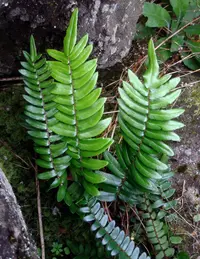
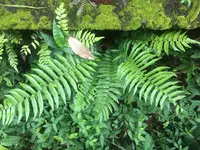
This fern has a long, creeping rhizome that often grows on or over rocks and tree bases, forming loose, climbing mats rather than a tight clump at one point. The rhizome is covered in dark scales that help protect young growing tissue in its humid forest habitat.

Distinctive heart-shaped base

The fronds have a characteristic semi-heart-shaped base where the blade meets the stalk, which is reflected in the name semicordata. This shape helps distinguish it in the field from many other tropical forest ferns with more uniformly tapered frond bases.

Forest stream specialist

In the wild, this species typically grows along shaded, humid stream banks and on moist rock faces in lowland and foothill forests. Its distribution is closely tied to constant moisture and stable, warm temperatures typical of tropical Southeast Asian and Pacific island forests.

FAQs about lime fern

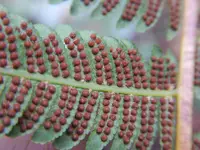
This species is a true fern and does not bloom. Instead of flowers, it produces spores on the undersides of fronds. Lack of flowers is normal and not a sign of poor health or incorrect care.

Grow Healthy Plants with Botan Care

Keep your plants happy and healthy with plant identification, disease detection, and easy care guidance.

Botan plant care app — identify plants on mobile

Explore More Plants