Tray micro-bog
Set the pot in a shallow waterproof tray lined with sphagnum moss or fine gravel and keep this layer constantly moist to create a cool, humid micro-bog around the roots without leaving the pot itself sitting in deep water.

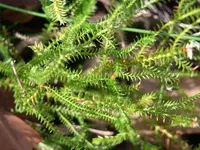
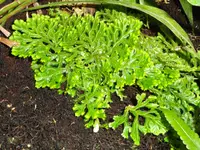
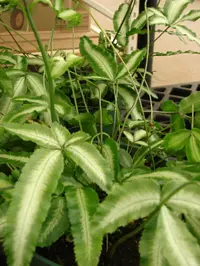
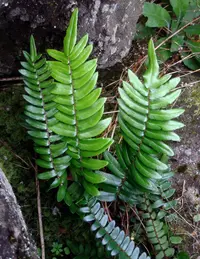
Swamp spikemoss (Selaginella uliginosa) is a small, primitive vascular plant that forms dense, moss-like mats rather than upright stems. It is not a true moss but a clubmoss relative, with tiny scale-like leaves and creeping stems.
This species occurs naturally in wetlands, damp sand, and seasonally flooded areas, especially in Australia and nearby regions. It thrives in consistently moist conditions and does not tolerate drying out, which often makes it challenging for beginners.
Those who want to learn how to care for Swamp Spikemoss should focus on stable moisture, high humidity, and soft, filtered light, similar to a shaded bog or terrarium environment.

Care Difficulty
Hard Care

Light Preference
Partial Shade

Water Requirements
Keep Soil Moist

Temperature Preference
Warm Climate

Hardiness Zone
9–11

Soil Texture
Loamy, Peaty, Organic-rich

Soil pH
Acidic (5.5–6.5), Slightly acidic (6.5–7.0)

Soil Drainage
Waterlogged tolerant

Fertilization
Minimal (feed rarely)
Scan your plant to receive care tips personalized for your specific plant
Available on iOS and Android
This moisture-loving ground fern ally prefers soft, filtered light that mimics a shady wetland edge.
This species needs consistently moist conditions and does not tolerate drying out.
This plant thrives in cool to mild, frost-free conditions typical of sheltered wet habitats.
This species needs very high, constantly moist air to thrive.
Selaginella uliginosa prefers consistently moist, fine-textured, organic-rich soil that never fully dries out.
This species is suited to shallow, wide containers that maintain constant moisture.
This species benefits from light, consistent feeding rather than heavy fertilization.
Selaginella uliginosa needs only light pruning to keep mats dense and healthy.
This shallow-rooted plant prefers minimal disturbance but may need occasional division or transplanting.
Selaginella uliginosa is commonly propagated by division and tip cuttings taken from healthy mats.
This species dislikes hard frost and benefits from some winter protection in colder regions.

Plant Health Check
Not sure what's wrong with your plant? Check your plant's health inside the app.
This species is naturally restricted to wet, acidic habitats such as swamp margins, seepage areas, and wet heathlands in eastern Australia, often growing directly in saturated, peaty or sandy soils that many other ferns and clubmoss relatives cannot tolerate.
It forms low, creeping mats that root at the stem nodes, stabilizing wet, loose substrates and creating a dense carpet that can influence local moisture and temperature at the soil surface.
Although not a true resurrection plant, its fine scale-like leaves can visibly droop and curl during short dry spells and then rapidly rehydrate and reopen when moisture returns, reflecting its adaptation to fluctuating surface water in swampy sites.
This species does not climb. It forms low, creeping mats that root along the stems as they touch moist substrate. Over time it spreads laterally, creating a dense carpet, especially in consistently damp, shaded conditions.
Keep your plants happy and healthy with plant identification, disease detection, and easy care guidance.