tear dropper Care (Cylindrobasidium laeve)

tear dropper

About tear dropper

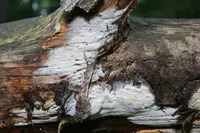
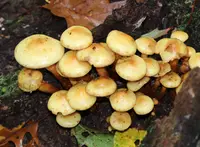
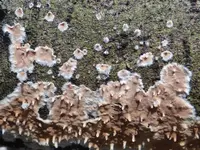
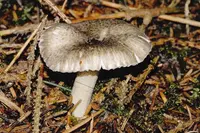
Cylindrobasidium laeve, sometimes called tear dropper, is a crust-forming wood-decay fungus rather than a leafy houseplant. It usually appears as thin, smooth, beige to light brown patches that spread over bark or dead wood. The fruiting surface often looks flat and irregular instead of forming classic mushroom caps.

This species occurs widely in temperate regions, especially in Europe and North America, on dead branches, logs, and occasionally living trees. It plays an important role in breaking down wood and recycling nutrients.

Gardeners rarely attempt to care for tear dropper, but understanding its need for shaded, consistently moist, wood-rich habitats helps explain where it naturally thrives and how it behaves in gardens and landscapes.

Main Plant Requirements

Care Difficulty

Moderate Care

Light Preference

Partial Shade

Water Requirements

Regular Water

Temperature Preference

Cool Climate

Hardiness Zone

Unknown

Soil Texture

Loamy, Silty, Organic-rich

Soil pH

Slightly acidic (6.5–7.0), Neutral (7.0)

Soil Drainage

Moist but well-drained

Fertilization

Minimal (feed rarely)

Get Personalized Care Plan

Scan your plant to receive care tips personalized for your specific plant

Available on iOS and Android

How to Care for the tear dropper

This wood-decaying fungus prefers low to moderate light, similar to shaded woodland conditions.

  • Provide bright shade or dappled light, with no more than 1–2 hours of gentle morning sun and full protection from harsh afternoon sun to reduce desiccation of fruiting bodies.
  • Allow for partial shade to full shade under shrubs, logs, or tree bases; consistent indirect light supports stable, repeated fruiting of tear dropper.
  • Avoid deep, sunless corners that stay wet and stagnant, and avoid exposed spots with all-day sun, which can dry substrates rapidly, especially in summer.

Moist but not waterlogged conditions support stable growth and fruiting on wood substrates.

  • Maintain evenly moist wood or bark; allow the surface to feel just barely damp rather than saturated, avoiding standing water around colonized logs or stumps.
  • During warm, dry spells, monitor for cracking, shrinking, or very light, papery fruiting bodies as signs of low moisture, then irrigate the surrounding soil or mulch thoroughly.
  • Watch for sour odors, slimy surfaces, or persistent puddling as signs of overwatering; improve drainage with coarse mulch or slightly raising the colonized wood off compacted soil.

This species favors cool to mild conditions typical of shaded forest floors.

  • Aim for an active growth range around 50–75°F (10–24°C), where wood stays moist but not hot, supporting steady colonization and fruiting.
  • Expect reduced fruiting below about 40°F (4°C), though underlying mycelium often survives short cold spells if the wood does not freeze solid for extended periods.
  • Limit exposure to sustained heat above 80–85°F (27–29°C), which can dry the substrate; shade, mulch, and occasional watering around the host wood buffer temperature swings.

This wood-decay fungus grows best in consistently moist air but tolerates a fairly broad humidity range outdoors.

  • Aim for 60–80% humidity in shaded, sheltered sites where substrates do not dry rapidly.
  • It tolerates short periods of drier air if the underlying wood or bark remains evenly moist, not crisp or powdery.
  • Humidity stress appears as slowed fruiting, pale or shrunken crusts, and can be reduced by mulching or lightly misting surrounding surfaces when air is very dry.

In cultivation on dead wood or woody mulch, Cylindrobasidium laeve benefits from a moisture-retentive yet aerated substrate.

  • Use a loose, organic-rich medium such as chipped hardwood, bark mulch, and partially decomposed leaf litter rather than dense mineral soil.
  • Ensure excess water can drain so the substrate is damp but not waterlogged, avoiding standing water around the colonized wood.
  • A slightly acidic to neutral reaction, roughly pH 5.5–7.0, supports typical saprophytic activity on logs or woody debris.
  • Improve aeration by mixing coarse bark or wood chips into finer composted material, avoiding compacted clay or heavily trodden ground.

This species is not well suited to decorative container growing, as it naturally colonizes dead wood and mulch rather than forming a conventional potted plant.

Cylindrobasidium laeve is a wood-decaying fungus that does not need or benefit from conventional fertilization in garden or indoor settings.

Pruning is not a care practice for Cylindrobasidium laeve, which is a saprophytic fungus rather than a managed ornamental plant.

As a natural wood-decay fungus, this species is not repotted but may be managed by adjusting host wood or site conditions.

  • Transplant only by moving infected wood rather than treating it as a potted plant.
  • If removal is desired, cut out and discard colonized branches or logs instead of moving them.
  • Handle infected wood with gloves and bag waste to limit spread in managed landscapes.
  • Focus on host tree health; avoid wounding living trees, which can increase fungal entry points.

Intentional propagation of this fungus is uncommon in horticulture and usually unnecessary outside research or forestry contexts.

This wood-rotting fungus is naturally cold hardy and does not require intentional winter care or protection in managed landscapes.

Care Tips

Substrate rotation

Rotate or replace small sections of the woody substrate every 6–12 months so the fungus always has fresh lignified material to colonize while avoiding complete disturbance of the established mycelium.

Mycelium monitoring

Inspect the underside and interior of logs or wood blocks for dense white mycelial fans and remove any sections that turn green, black, or fuzzy, as these usually indicate competing molds that should be cut away with a sterile blade.

Moisture buffering

Place the inoculated wood on a bed of moist, inert material such as washed gravel or coarse bark to maintain steady humidity around the mycelium without waterlogging the wood surface.

Air exchange control

Provide gentle but consistent air movement around the culture with a small fan on a low setting to prevent stagnant, overly humid pockets that favor bacterial growth while still protecting the colonized wood from direct drafts.

Quarantine new wood

Before adding any new logs or planks to an established culture, keep them in a separate, slightly humid area for 1–2 weeks to monitor for unwanted fungi or insects, then introduce only clean, stable pieces to support growing tear dropper in a controlled way.

Common Pests and Diseases

Armillaria root disease

This disease affects woody hosts that Cylindrobasidium laeve colonizes as a secondary fungus, taking advantage of roots and lower stems already weakened by Armillaria species. Symptoms include dieback, reduced vigor, and white mycelial fans under bark at the root collar of the host plant, while C. laeve develops as thin crust-like fruiting on decaying wood surfaces.

Solution

Management focuses on the primary Armillaria infection: remove severely affected shrubs or trees, including as much of the infected root system and stumps as possible, and avoid replanting highly susceptible species in the same spot. Improve drainage and reduce soil compaction to support root health, and dispose of infected woody material rather than leaving it on site, since it can host both Armillaria and C. laeve.

Bark and wood decay

This disease involves progressive decomposition of dead or weakened bark and wood, where C. laeve behaves as a saprotroph, forming smooth, resupinate fruiting layers on trunks, branches, or stumps. Symptoms include softening, cracking, and surface peeling of the bark and sapwood, especially on already stressed or dead sections of ornamental trees or shrubs.

Solution

Control relies on arboricultural hygiene rather than direct treatment: prune out dead or structurally unsound branches, remove decayed stubs back to sound wood, and promptly clear away pruned material so it cannot serve as an ongoing substrate. For landscape safety, have unstable or heavily decayed trees assessed and, if necessary, removed, then avoid leaving cut stumps and logs in contact with soil near valued plantings, which supports better overall Cylindrobasidium laeve plant care.

Interesting Facts

Corticioid crust growth

This species forms a thin, smooth, crust-like fruiting body tightly attached to dead wood rather than a typical cap-and-stem mushroom, which places it among the so‑called corticioid fungi.

Efficient wood decomposer

It is a common saprotroph on dead hardwood branches and logs, where it breaks down lignin and cellulose and helps recycle nutrients back into forest soils.

Wide temperate distribution

The fungus occurs across much of temperate Europe, North America, and other regions with similar climates, reflecting its adaptability to different hardwood hosts and woodland types.

FAQs about tear dropper

This crust fungus is not considered edible. It has a tough, leathery texture, lacks culinary value, and is not used as food. Identification can be difficult, so foraging or tasting is not recommended.

Grow Healthy Plants with Botan Care

Keep your plants happy and healthy with plant identification, disease detection, and easy care guidance.

Botan plant care app — identify plants on mobile

Explore More Plants