March Mushroom Care (Hygrophorus marzuolus)

March Mushroom

About March Mushroom

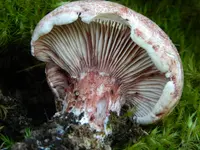
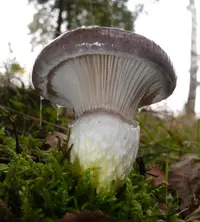
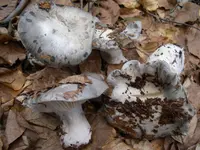
March mushroom, Hygrophorus marzuolus, is a spring-fruiting ectomycorrhizal fungus that forms a symbiotic partnership with conifer and beech roots. It appears as a stout, gray to bluish cap with thick, white flesh, often half-buried in soil or leaf litter.

This mushroom occurs naturally in cool, montane forests across parts of Europe and North America, usually emerging as snow recedes. It is considered challenging to cultivate because it depends on living tree partners and specific forest conditions.

Those who want to learn how to care for March Mushroom should understand that it favors undisturbed, moist, well-drained, slightly acidic forest soils with dappled light and stable, cool temperatures.

Main Plant Requirements

Care Difficulty

Hard Care

Light Preference

Partial Shade

Water Requirements

Keep Soil Moist

Temperature Preference

Cold Hardy

Hardiness Zone

4–7

Soil Texture

Loamy, Silty, Organic-rich

Soil pH

Acidic (5.5–6.5)

Soil Drainage

Moist but well-drained

Fertilization

Minimal (feed rarely)

Get Personalized Care Plan

Scan your plant to receive care tips personalized for your specific plant

Available on iOS and Android

How to Care for the March Mushroom

This spring-fruiting forest fungus prefers cool, subdued light under trees rather than direct exposure.

  • Site Hygrophorus marzuolus in mixed conifer or deciduous woodland with dappled or filtered light for most of the day, avoiding open, exposed spots.
  • Allow brief morning sun of 1–3 hours if filtered through branches, but protect from strong midday and afternoon sun that can overheat soil and dry leaf litter.
  • Choose north- or east-facing slopes where possible so snow lingers longer and light remains soft during late winter and early spring.

This mycorrhizal fungus depends on consistently moist, cool forest soil rather than direct surface watering.

  • Aim for humus-rich, well-drained soil that stays evenly moist 5–10 cm below the surface, never waterlogged or compacted.
  • Use leaf litter, needles, or fine bark as a 3–5 cm mulch layer to conserve moisture, buffer temperature, and reduce rapid drying in spring winds.
  • Watch for shrinking, dusty soil and sparse fruiting as signs of drought stress, and for standing water, sour odors, or slimy organic matter as overwatering indicators.

This species fruits best in cold to cool conditions typical of late winter and early spring mountain forests.

  • Support mycelium growth in soil that generally stays around 40–55°F (4–13°C), with fruiting often triggered as snow melts and temperatures slowly rise.
  • Tolerate brief drops to about 20°F (-7°C) while dormant under snow, but protect habitat from repeated freeze–thaw cycles that expose and dry the upper soil.
  • Avoid prolonged heat above 70°F (21°C) at soil level; deep leaf litter, shade, and snow cover help moderate extremes and extend the cool period needed for development.

This fungus is not typically cultivated, but humidity near 60–80% best mimics its cool forest habitat.

  • Tolerates brief drops to 40–50% humidity but sustained dry air slows mycelium activity and fruiting of March Mushroom.
  • Watch for caps cracking, edges curling, or rapid drying as signs of low humidity stress around developing mushrooms.
  • Increase humidity using moist leaf litter, light misting of the surrounding substrate, or damp burlap nearby rather than direct spraying.

Hygrophorus marzuolus is a mycorrhizal fungus, so the key is preparing a forest-like substrate around suitable host trees rather than standard potting soil.

  • Use a loose, humus-rich mix of well-rotted leaf litter, conifer needles, and loamy mineral soil to mimic mountain woodland floor.
  • Ensure free drainage with a slightly sloping site or raised bed so excess water moves away and the substrate never becomes waterlogged.
  • Aim for a slightly acidic pH around 5.0–6.5, common under spruce or fir, avoiding liming agents that push the soil toward alkaline.
  • Improve aeration by layering coarse wood chips or small bark pieces under and within the organic layer, avoiding compacted clay or heavily tilled ground.

This species is generally unsuitable for containers because it depends on stable mycorrhizal associations with mature tree roots in open ground.

This forest ectomycorrhizal fungus relies mainly on its tree partners and usually needs no additional fertilizer in garden or forest settings.

As a wild, mycorrhizal fungus, Hygrophorus marzuolus is not pruned in the usual horticultural sense.

This species is rarely suited to container culture, so management focuses on careful transplanting of associated host trees rather than the fungus itself.

  • Transplant only young host trees when dormant in late fall or early spring to limit stress.
  • Choose a site with similar light, soil texture, and drainage to the original forest location.
  • Handle root balls gently to preserve fine roots and the existing mycorrhizal network.
  • Water the tree deeply after planting and keep soil evenly moist until well established.

Reproduction of this wild mycorrhizal mushroom is specialized and not a routine home propagation project.

This cold-adapted spring-fruiting fungus generally needs no special winter care once established with suitable host trees.

Care Tips

Soil inoculation strategy

Before the main fruiting season, mix small amounts of colonized substrate or truffle-like sclerotia into the upper 2–5 cm of soil near suitable host tree roots, keeping disturbance minimal to encourage stable mycorrhizal partnership and support long-term productivity when growing March Mushroom.

Leaf litter management

Maintain a thin, loose layer of mixed hardwood leaf litter over the mycelium zone, refreshing it annually so the fungal network stays protected from drying while still allowing air movement and snowmelt to penetrate.

Snowpack handling

In climates with snow, avoid compacting snow by walking over productive spots and, if safe, gently break any ice crusts late in winter so meltwater can infiltrate evenly without crushing the developing mushrooms.

Targeted site marking

Discreetly mark productive trees or patches with unobtrusive flags or stones outside the core fruiting ring so you can relocate colonies without repeatedly disturbing the soil surface.

Harvest hygiene

At harvest, cut mushrooms cleanly at the base with a disinfected knife and avoid raking or pulling soil, then lightly replace any disturbed leaf litter to reduce contamination, mechanical damage to mycelium, and desiccation of the fruiting area.

Common Pests and Diseases

Fungal mycophagous mites

These insects feed on developing mushroom tissue and gills, causing pitting, deformation, and reduced fruit body quality. Symptoms include slow expansion of caps, discolored spots, and a dusty or crawling appearance on the underside of caps or in the soil around them.

Solution

Remove and discard heavily affected fruit bodies and surrounding substrate, then carefully loosen and replace the top 1–2 in of soil or leaf litter. Maintain good hygiene by promptly removing old or decaying mushrooms, avoid overwatering the area, and if needed use a targeted miticide or horticultural oil labeled for soil-dwelling mites, applied strictly according to label directions and away from harvestable mushrooms.

Fungus gnat larvae

This pest tunnels through emerging fruit bodies and mycelial mats, leading to hollow stems, distorted caps, and water-soaked patches that decay quickly. Symptoms include tiny black adult gnats hovering near the substrate and worm-like larvae inside damaged tissue.

Solution

Reduce excess moisture in the cultivation bed, allow the surface layer to dry slightly between waterings, and remove decaying organic debris that attracts adults. Use fine-mesh barriers over vent or bed openings, deploy yellow sticky traps to lower adult numbers, and where permitted drench the upper substrate with a biological control such as Bacillus thuringiensis israelensis (Bti) targeting larvae.

Competing mold contamination

This disease appears as patches of green, blue-green, or gray mold on the substrate that overgrow or surround the desired mycelium, leading to fewer and smaller fruit bodies. Symptoms include off smells, powdery or fuzzy patches that spread rapidly, and stunted or aborted mushrooms.

Solution

Promptly remove and dispose of contaminated substrate and any adjacent fruit bodies, cutting back at least 2–3 in beyond visible mold. Improve air exchange, avoid overwatering, and sterilize or thoroughly clean tools and containers; for controlled cultivation, start with pasteurized or sterilized substrate to lower the risk of recurrent contamination.

Bacterial blotch

This disease causes greasy, yellow-brown to dark spots on caps and stems that become slimy, especially under wet conditions. Symptoms include localized softening of tissue, a wet appearance, and sometimes an unpleasant odor as affected areas break down.

Solution

Limit prolonged surface wetness by watering the surrounding soil rather than directly on caps, and allow good air circulation so surfaces dry between irrigations. Remove and discard affected mushrooms, avoid handling when wet, and disinfect tools or collection containers with a mild bleach solution before reuse to prevent spread.

Interesting Facts

Early spring fruiting

This species is one of the few ectomycorrhizal mushrooms that regularly fruits very early in the year, often from late winter to early spring, sometimes while snow is still melting in montane conifer forests.

Snowbank association

Often described as a snowbank fungus, it tends to fruit at the edge of receding snowpacks in subalpine and montane habitats, where meltwater and cold soil conditions help trigger its development.

Subtle, buried caps

The fruit bodies usually develop partly buried in soil and forest litter, with dull gray to lead-colored caps that blend into the surroundings, so they are often located by carefully raking aside debris rather than by obvious visual contrast.

Botan icon

Did you know?

This species forms ectomycorrhizal partnerships mainly with conifers such as spruce, fir, and pine, exchanging mineral nutrients and water from the soil for sugars from the trees, and in some European regions its predictable spring appearance has made it a traditional seasonal food for experienced local foragers.

FAQs about March Mushroom

This fungus is considered a good edible species when correctly identified and well cooked. It must never be eaten raw. Accurate identification is essential, as some spring-fruiting mushrooms can cause digestive upset or more serious poisoning.

Grow Healthy Plants with Botan Care

Keep your plants happy and healthy with plant identification, disease detection, and easy care guidance.

Botan plant care app — identify plants on mobile

Explore More Plants