hare's ear Care (Otidea onotica)

hare's ear

About hare's ear

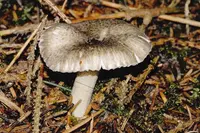
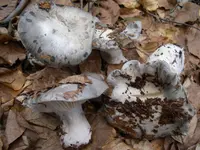
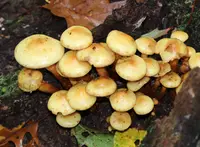
Hare's ear, Otidea onotica, is an ascomycete fungus, not a leafy houseplant. It forms ear-shaped, salmon to pinkish cups that grow in clusters on soil or decaying leaf litter. The fruiting bodies are usually low and irregular, blending into forest floors. It is native to temperate regions of Europe and parts of North America, typically appearing in mixed or coniferous woodlands. This species is considered uncommon and can be sensitive to disturbance, so it is not a typical choice for cultivation. Those who want to care for hare's ear should know it prefers cool, moist, shaded woodland conditions with undisturbed, humus-rich soil.

Main Plant Requirements

Care Difficulty

Moderate Care

Light Preference

Partial Shade

Water Requirements

Moderate Water

Temperature Preference

Cool Climate

Hardiness Zone

Unknown

Soil Texture

Loamy, Silty, Organic-rich

Soil pH

Acidic (5.5–6.5), Slightly acidic (6.5–7.0)

Soil Drainage

Moist but well-drained

Fertilization

Minimal (feed rarely)

Get Personalized Care Plan

Scan your plant to receive care tips personalized for your specific plant

Available on iOS and Android

How to Care for the hare's ear

This cup fungus prefers soft, woodland-style light rather than strong, direct sun.

  • Provide dappled or filtered light with 1–3 hours of weak morning sun and shade for the rest of the day.
  • Allow partial shade to full shade; hare's ear often fruits near deciduous trees where canopy light shifts seasonally.
  • Avoid strong midday or afternoon sun, which can dry the substrate quickly and scorch fruiting bodies, while deep, constant shade may reduce formation.

Moist but not waterlogged conditions support healthy development of Otidea onotica.

  • Keep the substrate consistently damp, allowing the top 1–2 cm to start drying before rewetting, rather than following a fixed schedule.
  • Use a loose, well-drained, humus-rich medium that holds moisture yet lets excess water drain away to prevent standing water and rot.
  • Watch for shriveling or premature collapse as a sign of dryness, and pale, mushy, foul-smelling tissue as an indicator of overwatering and poor aeration.

This fungus develops best in cool to mild conditions typical of temperate woodland floors.

  • Aim for an active growth range of about 50–68°F (10–20°C), which supports slow, steady development of mycelium and fruiting bodies.
  • Tolerate brief drops to around 32°F (0°C), but sustained freezing or repeated hard frosts can damage exposed cups and slow regrowth.
  • Limit exposure above 77–80°F (25–27°C), since hot, dry weather can halt fruiting, dry the substrate, and shorten the life of existing structures.

This fungus tolerates a broad humidity range and rarely needs special humidity control outdoors.

This fungus develops best on loose, well-drained, organic-rich substrate that mimics decaying woodland litter.

  • Use a mix of leaf mold, fine bark, and composted wood debris to imitate natural forest-floor material for Otidea onotica.
  • Ensure the substrate is loose and crumbly; avoid compacted mixes that hold water like clay-based garden soil.
  • Maintain slightly acidic to neutral conditions, around pH 5.5–7.0, by avoiding lime-heavy amendments.
  • In outdoor beds or troughs, top-dress with fresh leaf litter each year to boost organic content and maintain aeration.

This species is generally unsuitable for container growing because it depends on complex soil and wood-decay conditions that pots rarely provide long term.

This fungus-like organism grows naturally on low-nutrient woodland soils and usually needs no fertilizer in gardens.

  • If soil is very poor, apply a light top-dressing of well-rotted compost in early spring, kept away from fruiting bodies.
  • Avoid synthetic balanced NPK products, which can disrupt natural fungal–root relationships in the surrounding soil.
  • Do not feed during late fall or winter; excess nutrients reduce stability of the natural hare's ear habitat.
  • Maintain an undisturbed leaf-litter layer instead of frequent fertilization to support long-term mycelium health.

Otidea onotica does not require true pruning, only light sanitation of its fruiting area.

  • Best time for any cleanup is late fall, after fruiting bodies have fully collapsed and released spores.
  • Remove only obviously damaged, moldy, or rotting cups and surrounding debris that may harbor pests.
  • Avoid cutting or disturbing underlying soil and mycelium; this tissue is the living part that will fruit again.
  • Use clean gloved hands or a soft brush rather than blades to lift off spent or diseased material.

This cup fungus is not suited to normal pot culture and is rarely transplanted successfully.

  • Treat it as a woodland feature rather than a container specimen; mycelium spreads naturally through soil and leaf litter.
  • If absolutely necessary, move it only in cool, moist weather, lifting a wide, deep soil block with minimal disturbance.
  • Transplant during early spring, before strong heat, to allow recovery while conditions stay evenly moist.
  • Keep the original orientation and duff layer, then water gently to settle soil and reduce root-zone stress.

Intentional propagation of this wild cup fungus is unreliable and usually left to natural spore dispersal.

  • Main reproduction occurs via spores released from mature cups, which spread on air currents in humid conditions.
  • Artificial methods such as division or tissue transfer are advanced mycological techniques, not routine garden practices.
  • To encourage spread, maintain stable moisture and an undisturbed layer of leaf litter over suitable, low-nutrient soil.
  • Avoid raking or cultivating the area heavily so underground mycelium remains intact and can expand gradually.

This temperate woodland fungus is generally cold hardy and needs minimal specific winter care in the ground.

  • Fruiting bodies die back naturally after frost; the mycelium persists underground through freezing conditions.
  • Maintain a loose mulch of fallen leaves or fine bark to insulate the soil surface and preserve moisture.
  • Avoid deep digging, heavy traffic, or soil compaction over the colony site during wet, cold months.

Care Tips

Substrate hygiene

Remove and discard spent fruiting bodies and any soft, decomposing material promptly to slow mold buildup and keep the fungal colony better aerated at the surface.

Targeted misting

Mist the air above and around the culture, not directly into the ear-shaped cups, to maintain humidity without leaving stagnant water that encourages bacterial rot.

Controlled air exchange

Provide gentle, indirect air movement or briefly open enclosed setups daily to refresh air and reduce carbon dioxide buildup, which helps maintain firm, well-shaped cups.

Clean handling tools

Use disinfected tools or gloved hands when dividing or moving colonized substrate so that bacteria and competitor fungi are less likely to invade the mycelium.

Seasonal rest period

Allow a cooler, slightly drier rest phase after peak fruiting has finished to mimic natural conditions and support more reliable future flushes when growing hare's ear.

Common Pests and Diseases

Mycophagous springtails

These insects feed on fungal tissue and can cluster on and around the fruiting bodies, causing superficial pitting and deformation. Symptoms include small grazing marks and rapid cosmetic decline of the ear‑shaped cups.

Solution

Reduce constantly wet conditions in cultivation trays, keep leaf litter only lightly moist, and increase airflow to discourage large populations. If needed, physically remove heavily infested fruiting bodies and use sticky traps or a targeted, labeled insecticidal soap on surrounding substrate, avoiding direct application on the fungus.

Slug and snail grazing

These pests readily feed on the soft, fleshy cups, leaving large ragged holes or completely consuming young fruiting bodies overnight. Slime trails and missing sections are typical signs.

Solution

Hand-pick slugs and snails in the evening, remove dense ground covers near the fungus, and use physical barriers such as copper tape or rough grit rings around the colonized area. In more persistent cases, apply iron phosphate slug pellets around but not directly on the fruiting zone, following label directions.

Mite colonization

These insects, particularly saprophytic mites, can colonize the surface of the cups and surrounding substrate, leading to speckled discoloration and slow deterioration of the fruiting bodies. This pest thrives in very humid, poorly ventilated microhabitats used for growing hare's ear under cover.

Solution

Improve ventilation around the culture containers, reduce overcrowding, and allow short drying intervals between mistings. Where numbers are high, remove heavily colonized fruiting bodies and treat the surrounding substrate with a gentle, labeled miticidal soap or horticultural oil, applied sparingly and never directly on the cups.

Parasitic mold overgrowth

This disease appears as a white, gray, or sometimes greenish mold that starts on damaged areas of the cups and can eventually cover and collapse them. Symptoms include fuzzy patches, softening tissue, and rapid decay of the ear structures.

Solution

Promptly remove and discard affected fruiting bodies and any heavily contaminated substrate to limit spread. Lower humidity slightly, increase fresh air exchange, and avoid overhead misting onto the cups; use localized watering of the substrate instead, and maintain good sanitation of trays and tools.

Bacterial soft rot

This disease causes localized watery spots that quickly turn soft, translucent, and foul smelling, leading to collapse of sections or entire cups. Symptoms include slimy tissue and rapid breakdown after mechanical injury or excessive wetting.

Solution

Discard rotting tissue immediately and reduce direct water contact with the fruiting bodies by watering at the base or around the substrate only. Improve drainage and airflow, remove decaying organic debris nearby, and avoid handling cups when wet to minimize new entry points for bacteria.

Interesting Facts

Ear-shaped fruiting bodies

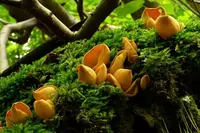
The fruiting bodies of this fungus are characteristically split and curved into a cup that resembles a hare’s ear, with the inner surface usually pinkish to salmon and the outer surface paler and finely downy.

Late-season appearance

It typically appears in late summer to autumn, often in mixed or deciduous woodlands, forming scattered groups or loose clusters on soil rich in leaf litter and woody debris.

Saprotrophic woodland role

This species is saprotrophic, meaning it feeds on dead organic matter, and contributes to woodland nutrient cycling by decomposing leaf litter and small woody material.

Botan icon

Did you know?

Microscopic examination of this species reveals smooth, ellipsoid spores produced in asci (sac-like structures), a key feature used by mycologists to distinguish Otidea onotica from closely related ear-like cup fungi in the field and laboratory.

FAQs about hare's ear

This fungus is not considered edible and should not be collected for food. It is poorly documented for culinary use, may be tough in texture, and could be confused with less safe look-alike species.

Grow Healthy Plants with Botan Care

Keep your plants happy and healthy with plant identification, disease detection, and easy care guidance.

Botan plant care app — identify plants on mobile

Explore More Plants