blistered woodwax Care (Hygrophorus pustulatus)

blistered woodwax

About blistered woodwax

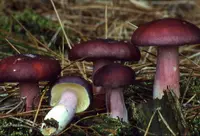
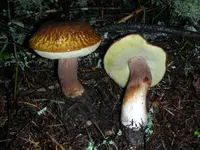
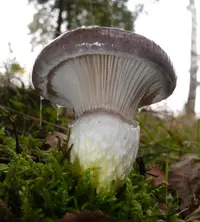
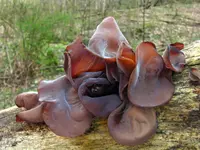
Blistered woodwax, Hygrophorus pustulatus, is a small woodland mushroom rather than a true garden plant. It typically has a gray to brown, slimy cap with tiny pustule-like bumps and a pale, slender stem. The species usually appears in autumn among conifers, especially in cool, moist forests of Europe and parts of North America.

This fungus forms a partnership with tree roots, which makes it difficult to cultivate in standard garden or indoor conditions. Gardeners interested in how to care for blistered woodwax should understand that it depends on healthy, undisturbed forest soil and natural leaf litter, rather than conventional potting mixes or lawn settings.

Main Plant Requirements

Care Difficulty

Hard Care

Light Preference

Partial Shade

Water Requirements

Keep Soil Moist

Temperature Preference

Cool Climate

Hardiness Zone

Unknown

Soil Texture

Loamy, Silty, Organic-rich

Soil pH

Acidic (5.5–6.5)

Soil Drainage

Moist but well-drained

Fertilization

Minimal (feed rarely)

Get Personalized Care Plan

Scan your plant to receive care tips personalized for your specific plant

Available on iOS and Android

How to Care for the blistered woodwax

Hygrophorus pustulatus is a woodland mushroom that fruits best in cool, shaded forest light rather than direct sun.

  • Aim for dappled or filtered light under conifers or mixed woodland, roughly 1–3 hours of weak morning sun with shade or deep shade the rest of the day.
  • Avoid strong midday or afternoon sun, which can dry the litter layer and reduce blistered woodwax fruiting; thick canopy cover or shrub shade is ideal.
  • In late summer and autumn, when sun is lower, maintain shade using leaf litter, shrubs, or evergreen cover to keep the forest floor dim and evenly lit.

This fungus depends on consistently moist, not waterlogged, forest soil to form healthy fruiting bodies.

  • Target evenly moist soil with a springy, damp feel; the top 2–3 cm of litter should never turn dusty-dry but also should not feel squelchy.
  • In dry spells, gently irrigate the surrounding woodland floor every few days, allowing excess water to drain away so Hygrophorus pustulatus does not sit in standing water.
  • Watch for shriveling or cracking caps as a sign of dryness and for slimy, collapsing mushrooms as a sign of prolonged saturation or poor drainage.

This species prefers cool, temperate woodland conditions and fruits mainly in mild autumn weather.

  • Optimal fruiting occurs around 45–60°F (7–16°C), with cool nights and mild days supporting steady development of caps and stems.
  • The mycelium in soil tolerates down to about 25°F (−4°C), but hard freezes below this or repeated freeze–thaw cycles can damage emerging fruiting bodies.
  • Temperatures above 70°F (21°C) with dry air shorten mushroom lifespan; provide shade and soil moisture during warm spells until seasonal cooling returns.

This forest mushroom prefers consistently moist air similar to its natural woodland habitat.

  • Aim for 60–80% humidity in enclosed cultivation tents or chambers for reliable fruiting.
  • It tolerates short dips to 50% but prolonged dry air causes caps to crack and margins to curl.
  • Increase humidity with fine misting, damp perlite trays, or ultrasonic humidifiers rather than heavy watering around blistered woodwax clusters.

This ectomycorrhizal fungus needs a specific forest-floor substrate rather than standard potting soil.

  • Use a loose, well-aerated mix of leaf litter, fine bark, and sandy loam that mimics conifer woodland duff.
  • Ensure free drainage; the substrate must stay evenly moist but never waterlogged to avoid anaerobic conditions and rot.
  • Maintain slightly acidic conditions around pH 5.0–6.5, matching typical coniferous forest soils where Hygrophorus pustulatus occurs.
  • Improve aeration by blending in coarse sand or fine pine bark, and avoid dense peat blocks or pure clay-based substrates.

This species is only marginally suitable for container growing in controlled mycology setups, not typical home containers.

  • Use deep, stable trays or boxes that allow a broad horizontal layer of substrate for the fungus–root association zone.
  • Drill multiple side and bottom holes so excess water exits quickly while still allowing gas exchange in the substrate.
  • Choose opaque or dark containers to limit light on the substrate surface, which helps maintain a cooler, more forest-like microclimate.

This ectomycorrhizal fungus gains nutrients via tree roots and usually does not need direct fertilization when growing in soil outdoors.

  • Avoid applying synthetic balanced NPK directly to Hygrophorus pustulatus; instead maintain overall soil and tree health.
  • Use light applications of leaf mold or compost around host trees if soil is very poor, keeping material thin and well aerated.
  • Limit any feeding to the active growing season of surrounding vegetation, avoiding heavy nutrient inputs that disrupt natural fungal–root balance.
  • Do not apply fertilizer in winter dormancy, and never pour concentrated or undiluted products over fruiting areas of blistered woodwax.

Pruning is not applicable for Hygrophorus pustulatus, as it is a mushroom-producing fungus, not a woody or leafy plant.

Direct repotting or transplanting of Hygrophorus pustulatus is uncommon, because this fungus depends on a living host tree and surrounding soil community.

  • Transplant only when moving associated young trees or soil blocks that already contain the mycelium, rather than handling fruiting bodies.
  • Plan any move in cool, moist weather in early spring or fall to reduce desiccation of the fungal network.
  • Lift soil gently with a broad spade, preserving as much undisturbed root–soil volume as possible around the host tree roots.
  • Replant at the same soil depth, water thoroughly, and keep the area evenly moist to help the mycelium re-establish with minimal stress.

Propagation of Hygrophorus pustulatus is specialized and usually left to natural spore dispersal and mycorrhizal spread rather than home techniques.

This temperate woodland fungus is naturally cold hardy and typically needs no special winter care beyond maintaining a stable forest-like habitat.

Care Tips

Host tree mapping

Before setting up a collection or observation area, map where fir or spruce hosts are growing, as this mycorrhizal fungus will only appear where its root partners are established and undisturbed.

Minimal soil disturbance

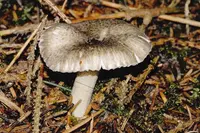
Avoid raking, tilling, or compacting the soil where fruiting bodies appear, since intact upper soil layers and fine roots are critical for stable mycorrhizal connections and repeated flushes.

Leaf litter management

Maintain a thin layer of conifer needles and natural litter rather than bare soil or thick mulch, because this mimics the fungus’s native forest floor while still allowing fruiting bodies to break through.

Targeted moisture zones

When irrigating nearby trees, water the drip line area rather than the trunk base to keep the active root and fungal zone evenly moist without creating waterlogged patches that can suppress fruiting.

Seasonal observation log

Keep a simple field log noting location, date, recent weather, and fruiting intensity, then use these records over several years to fine-tune how to take care of blistered woodwax in that specific site.

Common Pests and Diseases

Mycophagous springtails

These insects feed on fungal tissues and can graze gills and caps of fruiting bodies, leaving pitted or ragged surfaces. Symptoms include small feeding scars and clusters of tiny, jumping insects in the substrate or around the mushroom base.

Solution

Reduce excess surface moisture by improving drainage and avoiding standing water around fruiting bodies, since highly saturated litter and soil favor population spikes. Where cultivation is attempted, use clean, pasteurized substrate, remove heavily damaged mushrooms, and trap springtails with shallow dishes of soapy water placed near but not touching the fruiting area.

Fungus gnat larvae

This pest lives in moist organic matter and can tunnel into young fruiting bodies, causing deformities and water-soaked, collapsing tissue. Symptoms include soft stems, premature collapse of caps, and the presence of small, dark adult gnats hovering around the substrate.

Solution

Allow the upper layer of the substrate or surrounding leaf litter to dry slightly between heavy wetting events to discourage egg laying, while still maintaining overall humidity for the fungus. Where fruiting is managed in controlled conditions, use fine mesh barriers, sticky traps for adults, and remove and discard heavily infested mushrooms and the immediately surrounding substrate.

Slugs and snails

These mollusks consume soft fungal tissue, leaving large irregular holes and slime trails on caps and stems. Symptoms include missing sections of fruiting bodies, shredded edges, and silvery mucus on nearby leaves or wood.

Solution

Hand-pick slugs and snails during damp evenings and reduce hiding spots by clearing dense debris right next to desired fruiting areas, while still retaining some coarse woody material for habitat balance. If growing Hygrophorus pustulatus in a garden or outdoor bed, use physical barriers such as copper bands or coarse grit rings and place beer or yeast traps at a distance to divert feeding pressure from the mushrooms.

Mucor mold overgrowth

This disease is caused by fast-growing Mucor and related molds that can overrun developing fruiting bodies, especially in very wet, stagnant conditions. Symptoms include fluffy gray or white mold covering caps, gills, or surrounding substrate and rapid breakdown of mushroom tissue.

Solution

Improve air movement and avoid prolonged saturation of the substrate by adjusting watering patterns or exposure to rainfall. In semi-managed beds or experimental culture, remove and discard mold-covered mushrooms and adjacent substrate, and avoid reusing contaminated material to reduce spore load.

Bacterial blotch

This disease develops on wet mushroom surfaces, leading to greasy, water-soaked spots that turn brown and cause local tissue collapse. Symptoms include discolored, slimy patches on caps and stems, often after long periods of surface wetness and poor air circulation.

Solution

Limit direct overhead wetting of fruiting bodies and encourage faster surface drying by spacing mushrooms in culture beds or ensuring better airflow among leaf litter and moss. Remove and discard affected mushrooms promptly and avoid handling healthy fruiting bodies with tools or hands that have touched blotched specimens to reduce spread.

Interesting Facts

Pustule-covered cap

The cap surface develops tiny dark, resinous pustules that give it a rough, speckled appearance when fresh, a key field marker that separates it from many smooth-capped Hygrophorus species.

Conifer specialist

This fungus forms ectomycorrhizal partnerships with conifers, especially spruce and fir, exchanging mineral nutrients and water from the soil for sugars from the tree.

Late-season fruiting

It typically fruits in late autumn, often appearing after many other mushroom species have finished, and can be found even in early winter during mild, wet periods in conifer woods.

Botan icon

Did you know?

Although originally described from Europe, this species has a broad Holarctic distribution and has been reliably recorded in both Europe and North America in cool, conifer-dominated forests.

FAQs about blistered woodwax

This mushroom is generally regarded as inedible and not collected for food. It is small, slimy when wet, and lacks culinary value. For safety, treat it as non-edible and avoid consumption or feeding it to others.

Grow Healthy Plants with Botan Care

Keep your plants happy and healthy with plant identification, disease detection, and easy care guidance.

Botan plant care app — identify plants on mobile

Explore More Plants