Cymatoderma caperatum Care

Cymatoderma caperatum

About Cymatoderma caperatum

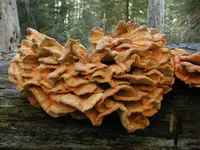
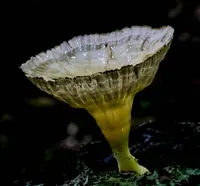
Cymatoderma caperatum is not a leafy houseplant but a wood-decaying fungus, forming wavy, fan-shaped caps with ridged, often contorted surfaces. Its fruiting bodies usually appear in layered clusters on dead or decaying wood.

This species is recorded from tropical and subtropical forests, especially in Africa and parts of Asia, where it helps break down woody debris. It prefers humid, shaded habitats with consistently moist, well-rotted wood.

Because it is a wild saprophytic fungus, it is not commonly cultivated, and how to care for Cymatoderma caperatum is not well established for home settings.

Main Plant Requirements

Care Difficulty

Moderate Care

Light Preference

Partial Shade

Water Requirements

Moderate Water

Temperature Preference

Warm Climate

Hardiness Zone

Unknown

Soil Texture

Loamy

Soil pH

Slightly acidic (6.5–7.0)

Soil Drainage

Well-drained

Fertilization

Minimal (feed rarely)

Get Personalized Care Plan

Scan your plant to receive care tips personalized for your specific plant

Available on iOS and Android

How to Care for the Cymatoderma caperatum

This woodland fungus prefers soft, filtered light that mimics a shaded forest floor.

  • Provide bright dappled shade or high, open shade, with at most 1–2 hours of weak morning sun and no harsh afternoon sun to prevent drying of the substrate.
  • Site Cymatoderma caperatum where it receives indirect daylight for 6–8 hours, such as beneath shrubs or trees that diffuse direct rays.
  • In summer, increase shade or leaf-litter cover during heat waves; in low winter sun, ensure the area is not in deep, continuous darkness all day.

Moist, well-drained, humus-rich substrate is essential for stable fruiting.

  • Allow the top 2–3 cm of the forest floor or substrate to feel just barely dry before re-moistening, keeping the underlying layer evenly damp but never waterlogged.
  • Use water to mimic steady woodland moisture: light, frequent applications during warm, dry spells and reduced watering in cool, wet seasons to avoid saturation.
  • Watch for signs of imbalance: soggy, foul-smelling substrate indicates overwatering, while brittle, shrinking mycelial areas or cracking surface suggest underwatering for Cymatoderma caperatum.

This species favors cool to mild conditions typical of shaded woodland habitats.

  • Aim for an active growth range of 55–72°F (13–22°C), which supports stable mycelial activity and reliable fruiting.
  • Protect from cold below about 40°F (4°C), as repeated light frosts can damage fruiting bodies even if the underlying mycelium survives.
  • In hotter weather above 77–82°F (25–28°C), increase shade and surface moisture, since prolonged heat and drying winds can halt fruiting and stress the colony.

This fungus prefers consistently moist, humid air to fruit well.

  • Aim for 70–90% humidity, using a humidifier or enclosed terrarium-like setup around the substrate.
  • It tolerates brief dips to 50–60%, but prolonged dry air causes caps to dry, crack, and stop expanding.
  • Increase humidity by covering the cultivation container with a ventilated dome or plastic tent, avoiding condensation dripping directly onto fruiting bodies.

For cultivation, this wood-decaying fungus needs a structured, well-aerated substrate rather than typical garden soil.

  • Use a mix based on hardwood sawdust or small wood chips with 20–30% wheat bran or similar supplement for organic richness.
  • Ensure the substrate drains freely yet holds moisture; it should feel springy, not soggy or compacted when squeezed.
  • Keep pH slightly acidic to neutral, around 5.5–7.0, by avoiding lime-heavy additives and using untreated hardwood materials.
  • Improve aeration and drainage by adding coarse wood chips or chopped straw and avoid clay, dense compost blocks, or waterlogged conditions.

This species can be grown in containers if the substrate mass and moisture are managed carefully.

  • Choose deep, rigid tubs or buckets that hold a thick substrate layer, which buffers against rapid drying and temperature swings.
  • Drill multiple side and bottom holes to allow both drainage and gas exchange, then elevate the container so holes are never blocked.
  • Use opaque containers or wrap clear ones to reduce light on the substrate surface, which helps stabilize humidity and internal temperature.

This fungus typically grows on nutrient-rich woody debris and does not need additional fertilizer in garden or indoor culture.

Pruning is generally unnecessary for Cymatoderma caperatum, as fruiting bodies are short-lived and replaced naturally.

This species is not grown as a conventional potted plant; management focuses on substrate rather than true repotting.

  • Renew or replace the decaying wood or lignin-rich substrate once it becomes very decomposed or colonized by competing fungi.
  • If grown in a container, refresh the substrate every 1–2 years to maintain structure and airflow around the mycelium.
  • Move colonized wood or blocks gently to a new site during mild, stable weather to limit drying and temperature shock.
  • Keep the substrate evenly moist after moving, avoiding waterlogging that can suffocate the mycelium and slow recovery.

Propagation of this fungus is specialized and not typically attempted by home growers, so detailed Cymatoderma caperatum plant care methods are rarely documented.

Outdoor populations are usually adapted to local climates and need little direct winter care.

  • In colder areas, keep colonized wood in a shaded, sheltered spot that avoids rapid freeze–thaw cycles.
  • Maintain natural leaf litter around the substrate to act as mulch and buffer soil temperature.
  • If grown in containers, overwinter the colonized block in a cold but frost-sheltered space, such as an unheated garage or shed.

Care Tips

Substrate refresh cycles

Replace part of the woody or bark-based substrate every 6–12 months to prevent compaction, maintain airflow around the mycelium, and reduce buildup of decomposed material that can harbor pathogens.

Controlled fruiting triggers

After the mycelium has fully colonized its substrate, use a defined drop in temperature, a slight increase in fresh air exchange, and a modest rise in humidity to synchronize fruiting and produce more uniform shelves.

Targeted airflow management

Provide gentle, indirect airflow across the fruiting area using a small fan on a low setting to reduce surface moisture films that encourage mold while avoiding direct drafts that dry out the developing structures.

Clean handling protocol

Disinfect tools, trays, and hands or gloves before working around the colonized substrate, and immediately remove any off-colored or fuzzy contamination patches to protect the main colony when growing Cymatoderma caperatum.

Harvest timing strategy

Harvest the fruiting bodies just after they reach full expansion but before edges begin to darken or toughen, which helps maintain texture quality and encourages the mycelium to allocate energy to forming the next flush.

Common Pests and Diseases

Fungal fruit rot

This disease causes the coral-like fruiting body to darken, soften, and collapse more quickly than normal maturity, often in areas with stagnant, humid air. Symptoms include wet, slimy patches and a sour or musty odor on the folds and ridges.

Solution

Remove and discard affected fruiting bodies promptly and avoid overhead watering or direct wetting of the fungus. Improve airflow around the substrate, reduce excessive surface moisture, and if cultivated under cover, lower humidity slightly and sanitize tools and containers to limit reinfection as part of Cymatoderma caperatum care instructions.

Mite infestation

These pests are tiny arachnids that feed on developing fruit bodies and underlying mycelium, leaving pitted or roughened surfaces and sometimes causing deformed or stunted growth. Symptoms include fine webbing on the substrate or between folds and a dusty appearance on the fungus surface.

Solution

Physically remove heavily infested fruiting bodies and gently mist or rinse surrounding surfaces to dislodge mites without soaking the substrate. Improve cleanliness of the growing area, quarantine new substrates, and if needed use a targeted miticide or horticultural oil labeled safe for fungi in controlled cultivation systems, applied with good ventilation.

Fungus gnat larvae

This pest issue arises when larvae feed on the organic substrate and surface mycelium, weakening the colony and reducing or distorting fruiting. Symptoms include small black adult gnats flying near the substrate and fine tunneling or soft areas where larvae have fed.

Solution

Allow the top layer of substrate to dry slightly between mistings while still maintaining suitable humidity for the fungus, and use yellow sticky traps to reduce adult gnats. In container or indoor culture, apply a biological control such as Bacillus thuringiensis israelensis (BTI) or beneficial nematodes to target larvae in the substrate and improve drainage and cleanliness to reduce breeding sites.

Bacterial soft rot

This disease leads to water-soaked, slimy areas on the fruiting body that quickly turn brown or black and emit an unpleasant smell, especially under poorly ventilated, wet conditions. Symptoms include rapid tissue collapse on lower folds where water collects.

Solution

Promptly cut away and discard affected tissue and reduce free water on and around the fruiting bodies by avoiding standing water and heavy misting. Increase air movement, clean growing containers and tools with a mild disinfectant, and prevent splash from contaminated surfaces onto healthy colonies to reduce spread.

Green mold contamination

This disease results from fast-growing competitor molds such as Trichoderma colonizing the substrate or fruit base, producing bright green patches that overrun C. caperatum mycelium. Symptoms include reduced or halted fruiting and visible green powdery growth on or near the base of the fungus.

Solution

Carefully remove and discard contaminated substrate sections and fruiting bodies, isolating affected containers from healthy ones. Improve substrate sterilization or pasteurization before inoculation, reduce excess moisture, increase air exchange, and maintain strict hygiene in the cultivation area to prevent spores from spreading to new cultures.

Interesting Facts

Wrinkled funnel fruiting body

This species produces a distinctive funnel- to trumpet-shaped fruiting body with strongly wrinkled, undulating ridges on the upper surface, giving it a sculpted or corrugated appearance unlike many smooth-capped fungi.

Laterite and termite association

Field observations report this fungus fruiting from termite mounds and lateritic soils in tropical Africa, indicating a close ecological association with termite-modified substrates and nutrient-rich, iron-heavy ground.

Bracket-like lateral stem

The fruiting body often arises from a short, off-center lateral stem, so the funnel appears attached from the side rather than centrally, which gives it a shelf- or bracket-like growth form on soil or termite mounds.

FAQs about Cymatoderma caperatum

This fungus is not a typical houseplant and performs best outdoors in shaded, humid, forest-like conditions with decaying wood. Indoors, it is difficult to maintain the stable moisture, airflow, and substrate needed for sustained growth.

Grow Healthy Plants with Botan Care

Keep your plants happy and healthy with plant identification, disease detection, and easy care guidance.


Botan plant care app — identify plants on mobile

Explore More Plants