Cystodermella granulosa Care

Cystodermella granulosa

About Cystodermella granulosa

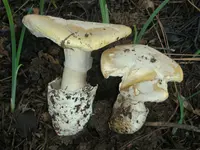
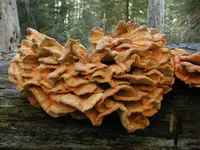
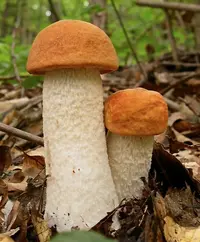
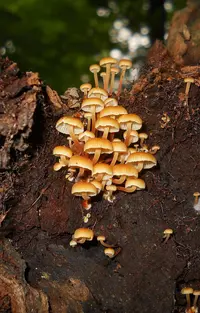
Cystodermella granulosa is not a plant but a small gilled mushroom in the family Agaricaceae. It is sometimes noticed by foragers and nature enthusiasts in mixed woodlands. Caps are typically granular or finely scaly, often in warm brown to yellowish tones, with a slender stem and pale gills that darken with age. Fruiting bodies appear on soil or litter, usually in groups rather than large clusters.

This species occurs mainly in temperate regions of Europe and North America, associated with forest floors rich in organic matter. It is not a species suited to home cultivation, so how to care for Cystodermella granulosa is usually discussed only in the context of observing or studying it in natural habitats rather than growing it indoors or in gardens.

Main Plant Requirements

Care Difficulty

Moderate Care

Light Preference

Partial Shade

Water Requirements

Moderate Water

Temperature Preference

Cool Climate

Hardiness Zone

Unknown

Soil Texture

Loamy, Sandy, Organic-rich

Soil pH

Acidic (5.5–6.5), Slightly acidic (6.5–7.0)

Soil Drainage

Moist but well-drained

Fertilization

Minimal (feed rarely)

Get Personalized Care Plan

Scan your plant to receive care tips personalized for your specific plant

Available on iOS and Android

How to Care for the Cystodermella granulosa

This woodland fungus prefers cool, filtered light similar to a lightly shaded forest floor.

  • Provide dappled shade or bright, indirect light with only 1–3 hours of weak morning sun, avoiding direct midday or afternoon sun that can dry the substrate too fast.
  • Allow partial shade to deep shade; fruiting bodies form best where leaf litter stays slightly moist and tree canopy blocks at least 50–70% of direct light.
  • In summer, protect sites from strong sun exposure; in cooler seasons slightly more open light is acceptable if humidity and moisture remain stable.

Moist, well-drained substrate is essential for stable mycelium and reliable fruiting.

  • Maintain consistently damp but not waterlogged soil or leaf litter; it should feel moist to the touch below the top 1–2 cm without standing water on the surface.
  • Increase moisture input during dry, warm periods using fine mist or gentle watering, letting excess drain away to prevent anaerobic, sour-smelling patches that indicate overwatering.
  • Reduce added moisture in cool or rainy seasons, watching for shriveling caps or dry, crumbly litter as signs that the habitat for Cystodermella granulosa is becoming too dry.

This species favors cool to mild conditions that resemble a temperate forest floor.

  • Aim for an active growth range around 50–65°F (10–18°C), where mycelium activity and fruiting are most stable in shaded, moist substrates.
  • Tolerate brief drops to about 32°F (0°C), but repeated hard frosts or freezing of the upper soil layer will halt fruiting and can damage fine mycelial threads.
  • Avoid prolonged heat above 77–82°F (25–28°C), which dries the substrate quickly; provide shade and extra moisture during hot spells and expect reduced fruiting in midsummer.

This mushroom prefers moist air but tolerates a moderate range if its substrate stays damp.

  • Aim for 70–90% humidity around developing caps to prevent drying and cracking.
  • Watch for curled, brittle caps or rapid shrinking as signs of low humidity stress.
  • Increase humidity with a covered, ventilated grow chamber, frequent fine misting of walls or substrate, and a shallow tray of water away from direct airflow.

This saprophytic mushroom fruits best in loose, organic-rich substrates rather than typical garden soil.

  • Use a mix of well-decayed wood chips, leaf litter, and composted bark to mimic forest-floor structure for Cystodermella granulosa.
  • Keep the substrate loose and crumbly so air can penetrate; avoid compacted or heavily trodden areas.
  • Ensure excess water drains freely; raised beds or mounded substrate help prevent standing water and anaerobic conditions.
  • Target a slightly acidic to neutral reaction (roughly pH 5.5–7.0) by avoiding heavy lime additions or strongly alkaline amendments.

This species is only moderately suitable for container growing because it prefers more natural, undisturbed substrates.

  • Use a deep, wide tub or box to allow a thick, insulated substrate layer that buffers temperature swings.
  • Drill multiple side and bottom holes to balance drainage with gas exchange, then elevate the container so outlets never sit in runoff.
  • Choose opaque, rigid containers to shield developing mycelium from light and to keep substrate stable when fully hydrated.

This woodland fungus does not need fertilizing in natural or cultivated settings.

Pruning is not applicable, as this species is a wild, short-lived mushroom rather than a pruned landscape plant.

This fungus is not suited to standard repotting; any cultivation focuses on its substrate rather than containers.

  • If attempting cultivation, monitor the substrate rather than roots, since Cystodermella granulosa forms a mycelial network, not a rootball.
  • Prepare a fresh, sterile, well-drained organic substrate whenever productivity declines or contamination appears.
  • Time any substrate replacement or relocation for cool, stable conditions to minimize shock to the mycelium.
  • Handle colonized substrate gently, keeping it evenly moist to reduce stress and help the fungus re-establish.

Propagation is specialized and usually handled by experienced growers using controlled conditions.

This wild mushroom requires no specific winter care and is best left to its natural seasonal cycle outdoors.

Care Tips

Sterile cultivation setup

Use a still-air box or laminar flow hood and flame-sterilized tools when transferring spawn or tissue, since even minor airborne contamination can quickly overtake Cystodermella granulosa cultures.

Substrate particle sizing

Prepare a fine to medium particle substrate mix (such as well-sieved composted forest duff or finely chipped hardwood) to mimic natural litter layers and support even mycelial spread.

Moisture monitoring method

Assess substrate by squeezing a handful so it just barely holds together without water dripping, which keeps the mycelium hydrated without creating the anaerobic, waterlogged conditions that encourage rot organisms.

Staggered inoculation points

Introduce spawn at multiple small points throughout the substrate instead of a single large patch to speed up colonization and reduce the window for competitor fungi and bacteria to establish.

Spore print rotation

Collect spore prints from several healthy fruiting bodies from different flushes and mix them before starting new cultures to maintain better genetic diversity when growing Cystodermella granulosa over multiple seasons.

Common Pests and Diseases

Mycophagous springtails

These insects feed on fungal tissue and can tunnel through caps and stems, causing pitting, surface scarring, and premature decay of fruiting bodies. Symptoms include small irregular holes, a roughened texture, and tiny jumping insects visible in clusters on or near the mushroom base.

Solution

Remove and discard heavily damaged fruiting bodies and any nearby decaying organic matter that harbors the insects. Improve site drainage and airflow to keep the substrate slightly drier at the surface, and, where cultivation is intentional, use fine mesh barriers and clean, pasteurized substrate to reduce springtail populations.

Sciarid fungus gnats

These insects lay eggs in moist organic substrates, and the larvae feed on mycelium and developing fruiting bodies, leading to deformed caps, thinning stems, and soft, water-soaked spots. Adults may be seen flying around fruiting areas, while larvae are small translucent worms in the substrate or stem base.

Solution

Remove and dispose of infested mushrooms and reduce excessive surface moisture by adjusting watering or misting patterns. In cultivation settings, use yellow sticky traps to monitor and reduce adult gnats, and apply a biological control such as Bacillus thuringiensis israelensis (Bti) to the substrate to target larvae without harming the fungal culture.

Parasitic Hypomyces mold

This disease is caused by parasitic fungi in the genus Hypomyces that overgrow the cap and stem, forming a whitish to yellowish crust and distorting the normal granular surface of Cystodermella granulosa. Symptoms include loss of typical coloration, misshapen caps, and a felted or powdery coating that may spread between crowded fruiting bodies.

Solution

Promptly remove and destroy any affected mushrooms and nearby debris to limit spore spread. Improve spacing and airflow around fruiting sites, avoid overhead wetting that keeps caps constantly damp, and, in managed cultivation, reduce humidity peaks and maintain clean tools and containers to lower contamination pressure.

Bacterial soft rot

This disease causes water-soaked, slimy areas on the cap or stem that quickly collapse and emit an unpleasant odor, often starting where insects or mechanical damage broke the surface. Symptoms include rapid liquefaction of tissues and a wet, translucent appearance of the affected area.

Solution

Discard all soft, discolored, or foul-smelling mushrooms and remove surrounding organic debris that stays persistently wet. Reduce free water on the fruiting surface by improving drainage and airflow, handle mushrooms gently to avoid wounds, and in cultivation avoid prolonged water contact such as standing puddles or heavy splashing during irrigation.

Interesting Facts

Distinctive granular veil

The small scales on the cap and stem come from a granular partial veil that leaves a fine, mealy coating rather than a persistent ring, which helps distinguish this species from many ringed, toxic Amanita mushrooms.

Rusty brown spore print

It produces a distinctly rusty to cinnamon-brown spore print, a key microscopic and field character that helps separate it from similar pale-spored genera in mixed woodland habitats.

Preference for conifer litter

This fungus is frequently recorded on or near conifer litter in temperate forests, where it grows saprotrophically, breaking down fallen needles and organic debris and contributing to nutrient cycling in the upper soil layer.

FAQs about Cystodermella granulosa

Identification of wild fungi is difficult, and this species is not widely regarded as a recommended edible mushroom. Some related fungi can cause gastrointestinal upset. For safety, avoid consumption unless confirmed by a qualified local mycologist.

Grow Healthy Plants with Botan Care

Keep your plants happy and healthy with plant identification, disease detection, and easy care guidance.

Botan plant care app — identify plants on mobile

Explore More Plants