Ghost Bolete Care (Leccinum holopus)

Also known as: White birch bolete, White bog bolete
Ghost Bolete

About Ghost Bolete

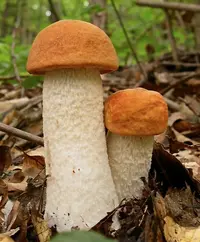
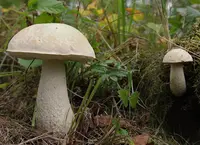
Ghost bolete, Leccinum holopus, is a mycorrhizal mushroom that forms a partnership with the roots of birch and other trees. It is not a houseplant but a wild fungus. The fruiting bodies are pale, often whitish to light gray, with a smooth cap and a slender stipe covered in fine scales.

This species typically occurs in cool, wet habitats such as bogs, wet woodlands, and mossy ground, mainly in northern temperate regions. It appears seasonally, rather than growing year-round. The need for a living tree partner and specific soil fungi makes it very difficult to cultivate, so practical attempts to care for Ghost Bolete at home are rarely successful.

In nature, it prefers moist, acidic, well-drained soils and filtered light under its host trees.

Main Plant Requirements

Care Difficulty

Hard Care

Light Preference

Partial Shade

Water Requirements

Keep Soil Moist

Temperature Preference

Cool Climate

Hardiness Zone

3–7

Soil Texture

Loamy, Silty, Organic-rich

Soil pH

Strongly acidic (4.5–5.5), Acidic (5.5–6.5)

Soil Drainage

Moist but well-drained

Fertilization

Minimal (feed rarely)

Get Personalized Care Plan

Scan your plant to receive care tips personalized for your specific plant

Available on iOS and Android

How to Care for the Ghost Bolete

Leccinum holopus requires cool, subdued light that mimics moist woodland and bog edges.

  • Provide bright, filtered light or light dappled shade, with no more than 1–2 hours of gentle early morning sun and full protection from strong midday and afternoon sun.
  • Site in a north- or east-facing woodland edge or under sparse shrubs, where 6–10 hours of indirect daylight reach the soil surface.
  • Excessive sun dries the upper soil and moss layer quickly, reducing fruiting, while deep, continuous shade can limit the energy its birch partners need for growth; adjust exposure seasonally as tree canopies leaf out.

This mycorrhizal fungus depends on consistently moist, cool soil around its birch hosts.

  • Maintain evenly moist ground, allowing only the top 1–2 cm of soil or moss to begin drying before the next thorough soaking from rain or supplemental irrigation.
  • Focus on good drainage in peaty, sandy, or loamy soils; avoid standing water for more than 24 hours, which favors rot and suppresses Leccinum holopus activity.
  • In dry, warm spells, increase watering frequency and watch for shrinking or cracking moss and soil; reduce watering in cool, rainy periods to prevent waterlogging.

This species favors cool conditions typical of boreal and northern boggy woodlands.

  • Optimal activity and fruiting generally occur around 50–65°F (10–18°C), especially in late summer to autumn when soil stays cool and moist.
  • It tolerates down to about 32°F (0°C) in the soil, but hard freezes below 28°F (-2°C) can halt fruiting and damage delicate surface mycelium.
  • Sustained heat above 77–80°F (25–27°C) with dry air reduces fruiting; provide shade and moisture retention during hot spells to buffer temperature swings.

This mycorrhizal mushroom prefers consistently moist air around the fruiting area rather than very dry conditions.

  • Aim for 70–90% humidity near developing caps and stems, similar to a damp woodland floor.
  • In very dry air, caps may crack, edges curl, and pores discolor or dry before full expansion.
  • Increase local humidity by misting surrounding leaf litter, using damp moss, or briefly running water over nearby soil without waterlogging.

Leccinum holopus relies on moist, aerated forest soil rather than dense or compacted substrates.

  • Use a loose mix mimicking boggy birch woodland: 40% peat or coco coir, 40% leaf litter or fine compost, 20% sand for structure.
  • Soil should be constantly moist but never stagnant, with slow drainage that still allows air spaces around fungal mycelium.
  • Target slightly acidic conditions, around pH 4.5–6.0, as more alkaline soils reduce vigor and fruiting potential.
  • Avoid heavy clay, strongly fertilized mixes, or manure-rich substrates that can disrupt the tree–fungus association and encourage competing fungi.

This species is poorly suited to container growing because it depends on a stable mycorrhizal relationship with birch roots in natural soil.

Leccinum holopus is a wild mycorrhizal fungus that should not be fertilized directly, as added nutrients can disrupt its tree-root partnership.

Leccinum holopus is a mushroom-forming fungus, so pruning is not a cultural practice and is limited to hygienic removal of fruiting bodies if needed.

Transplanting Leccinum holopus is generally unsuccessful because it depends on a specific mycorrhizal relationship with host tree roots in undisturbed soil.

  • Avoid lifting or moving soil and associated roots where this species occurs, as disturbance can break the fine fungal connections.
  • If relocation is attempted for research or conservation, move intact soil blocks with host tree seedlings during cool, moist weather.
  • Minimize root stress by keeping root balls shaded, evenly moist, and protected from temperature extremes during any transport.
  • After transplanting host trees, water gently and maintain natural leaf litter to support gradual re-establishment of fungal associations.

Propagation of Leccinum holopus is specialized and not typically performed by home growers, since it spreads via spores and root associations with specific trees.

This wild fungus is naturally cold hardy in its native range and requires no active winter care in gardens or woodlands.

Care Tips

Host tree selection

Establish the fungus near naturally wet ground with existing birch trees, since Leccinum holopus forms obligate mycorrhiza with birch and will not fruit reliably without this host partnership.

Minimal soil disturbance

Avoid digging, raking, or compacting the soil around the birch root zone, as disturbance can break the fine mycelial network and drastically reduce fruiting over the following seasons.

Hydrology management

Maintain a consistently damp but not flooded site by diverting heavy runoff away while still allowing a high water table, because this species fruits best in cool, saturated but aerated peat or sandy soils.

Leaf litter handling

Allow a thin natural layer of birch leaf litter to remain as an insulating mulch, only removing thick, matted layers that might trap standing water and cause anaerobic, low-oxygen conditions around the mycelium.

Fruiting body hygiene

Harvest mushrooms by cutting cleanly at the base and promptly removing old, decaying fruiting bodies from the area to limit mold, fly larvae, and slugs that can build up in a patch when growing Ghost Bolete.

Common Pests and Diseases

Mycophagous slugs

This pest feeds on developing caps and stems, often leaving irregular bite marks and slime trails on young mushrooms. Symptoms include collapsed fruiting bodies and rapid loss of usable tissue after rain.

Solution

Hand-pick slugs at dusk or early morning, and use physical barriers such as copper tape or coarse grit around key fruiting spots. Reduce dense groundcover that shelters slugs, and, if needed, place shallow beer traps a short distance away from the main Ghost Bolete patch to draw them off the mushrooms.

Fungus gnat larvae

This pest lives in moist organic soil and peat, tunneling into developing stems and caps and causing soft, discolored spots and internal galleries. Symptoms include distorted fruiting bodies, premature collapse, and small exit holes in the flesh.

Solution

Lift and discard heavily infested mushrooms and reduce excess surface moisture by avoiding unnecessary watering near the mycorrhizal host trees. In small managed beds, apply a biological control such as Bacillus thuringiensis israelensis (Bti) as a soil drench and use fine mesh over very young fruiting bodies to limit adult gnat access.

Moldy cap blight

This disease develops in very wet, stagnant conditions, causing a fuzzy white to gray mold on caps and stems that can spread quickly across clustered fruiting bodies. Symptoms include water-soaked patches on the cap that soon collapse and spoil.

Solution

Promptly remove and dispose of affected mushrooms so spores do not spread to adjacent fruiting bodies. Improve local air movement by gently thinning low ground vegetation and avoid adding sprinklers or other artificial irrigation near known fruiting areas, which promotes growing Ghost Bolete in a more balanced moisture regime.

Bacterial soft rot

This disease attacks damaged or over-saturated tissue, leading to soft, slimy, foul-smelling areas on the stem base or lower cap surface. Symptoms include rapid breakdown of the flesh, often starting at insect or slug damage sites.

Solution

Harvest and discard affected mushrooms as soon as softening is noticed, and avoid handling the patch with dirty tools or hands that might spread bacteria. Limiting mechanical damage and reducing standing water around birch roots helps keep fruiting bodies firmer and less susceptible to soft rot.

Parasitic bolete mold

This disease is caused by specialized parasitic fungi that colonize the fruiting body, creating discolored patches, surface mycelium, or deformities that prevent normal cap expansion. Symptoms include localized hardening, discoloration, and eventual collapse of the mushroom.

Solution

Remove and discard parasitized mushrooms promptly to reduce the local spore load. Keep the surrounding litter layer moderately open so air can move through, and avoid piling fresh woody debris directly over productive spots, which can favor competing parasitic fungi over healthy Leccinum holopus care conditions.

Interesting Facts

Pale bog specialist

This species is closely associated with nutrient-poor, wet, often Sphagnum-dominated bogs and fens, where it fruits on very light, almost white caps that blend with pale mosses.

Birch mycorrhizal partner

Leccinum holopus forms ectomycorrhizae with birch species, exchanging mineral nutrients and water from the bog substrate for sugars produced by the tree through photosynthesis.

Distinctive pale flesh

Unlike many other Leccinum species whose flesh often bruises strongly blue or black, the flesh of this species typically remains whitish or only slightly discolors, which helps distinguish it from some look-alikes in the field.

FAQs about Ghost Bolete

This species is generally regarded as an edible bolete when correctly identified and well cooked, but quality is mediocre. It can be confused with other pale boletes, so correct identification and local expert guidance are important before eating.

Grow Healthy Plants with Botan Care

Keep your plants happy and healthy with plant identification, disease detection, and easy care guidance.

Botan plant care app — identify plants on mobile

Explore More Plants